Send Email
Visit Our Office
Confidentiality Guaranteed
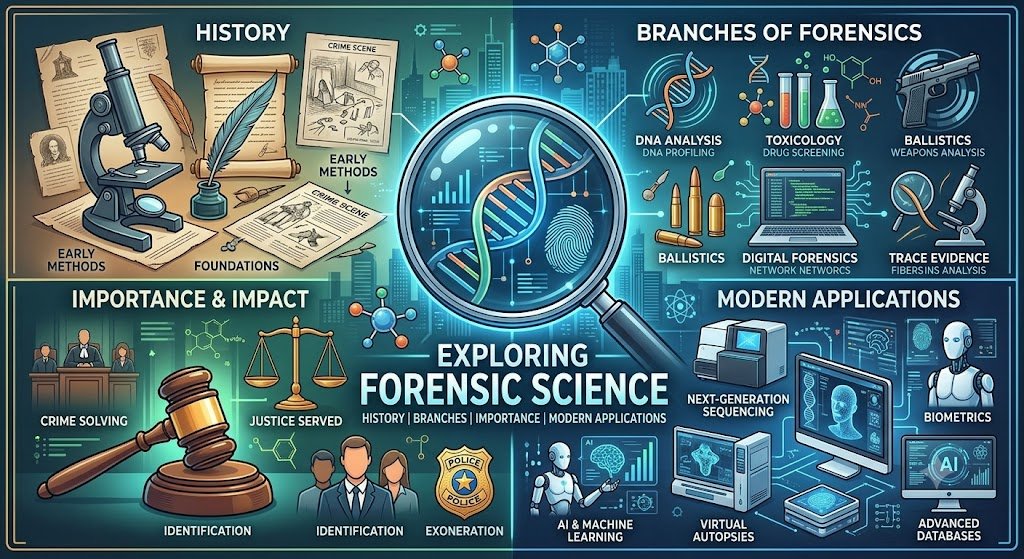
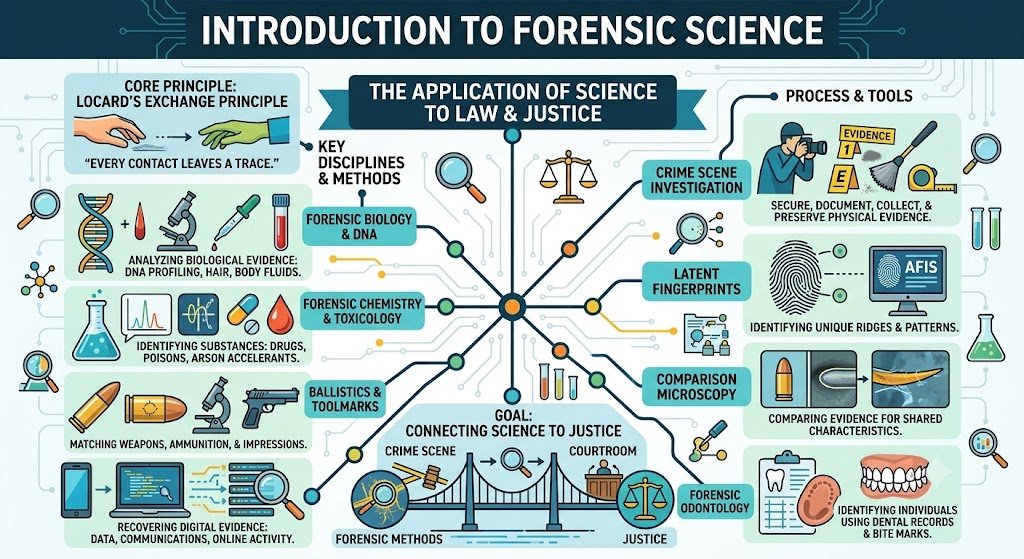
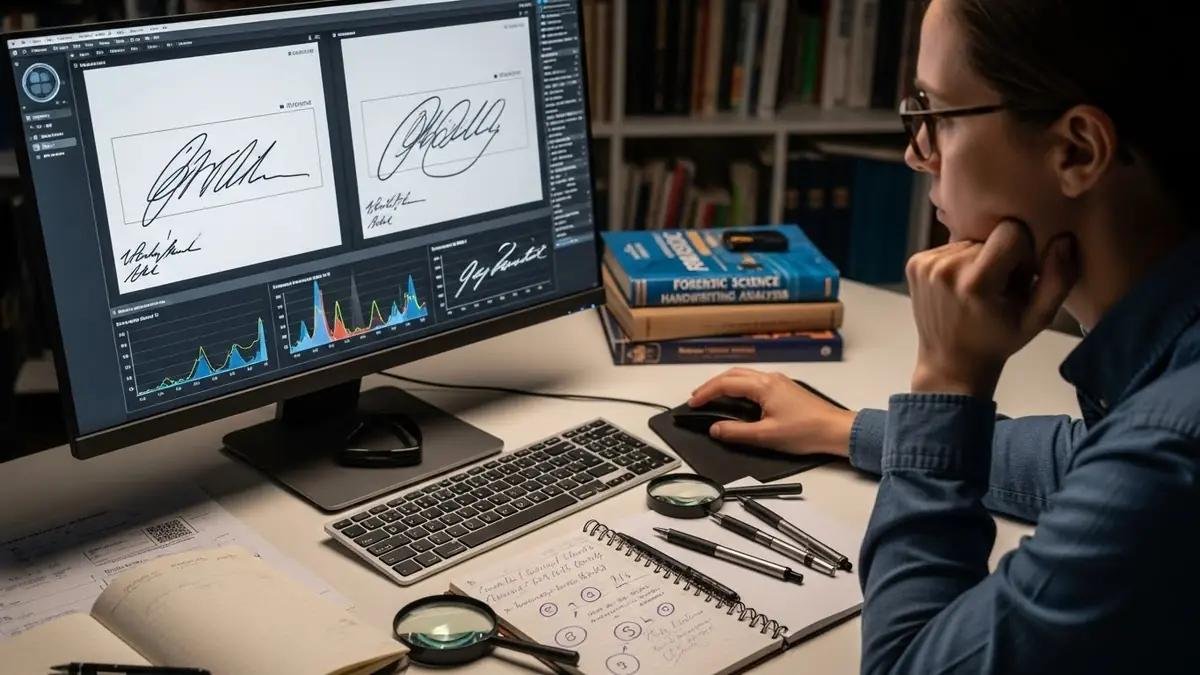
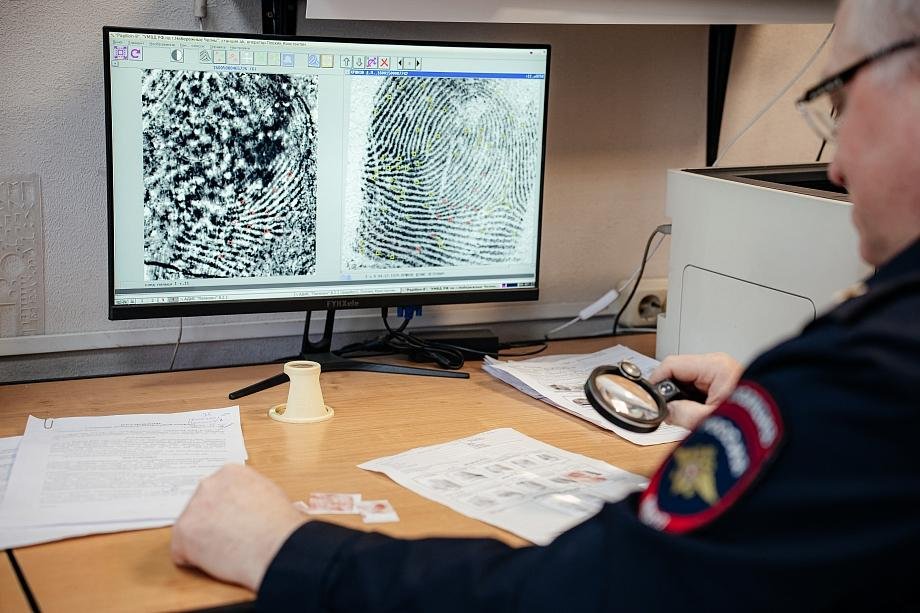
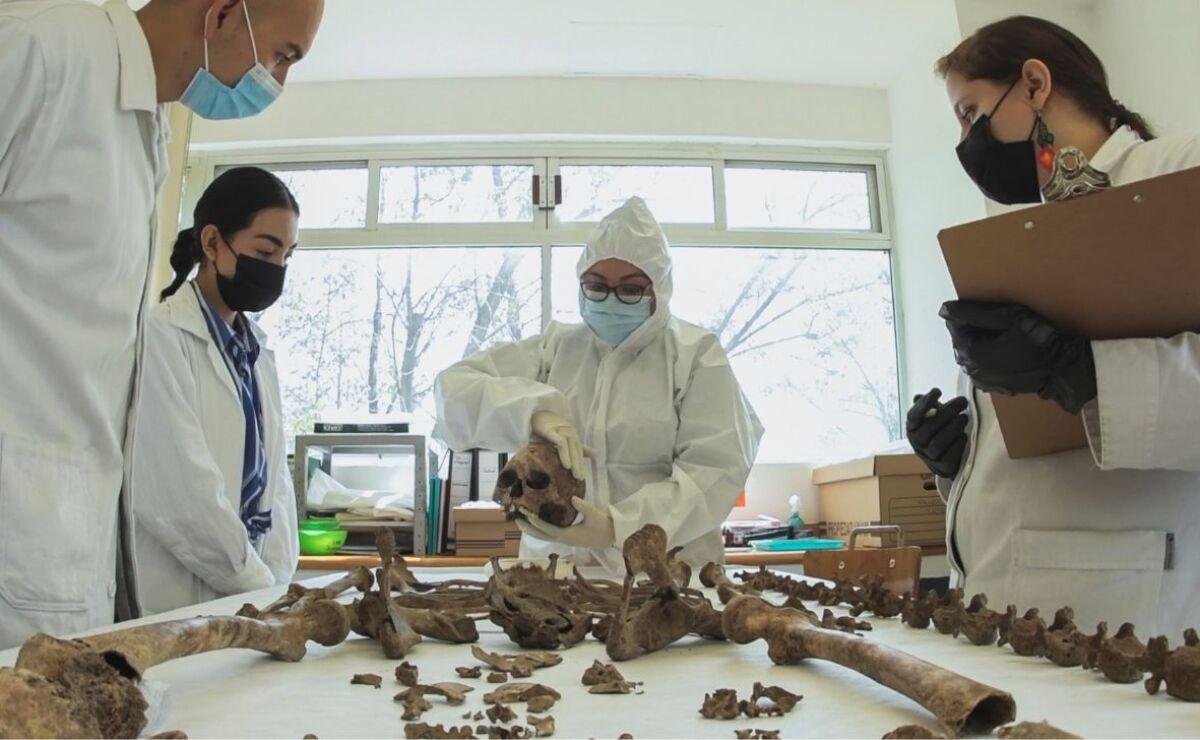
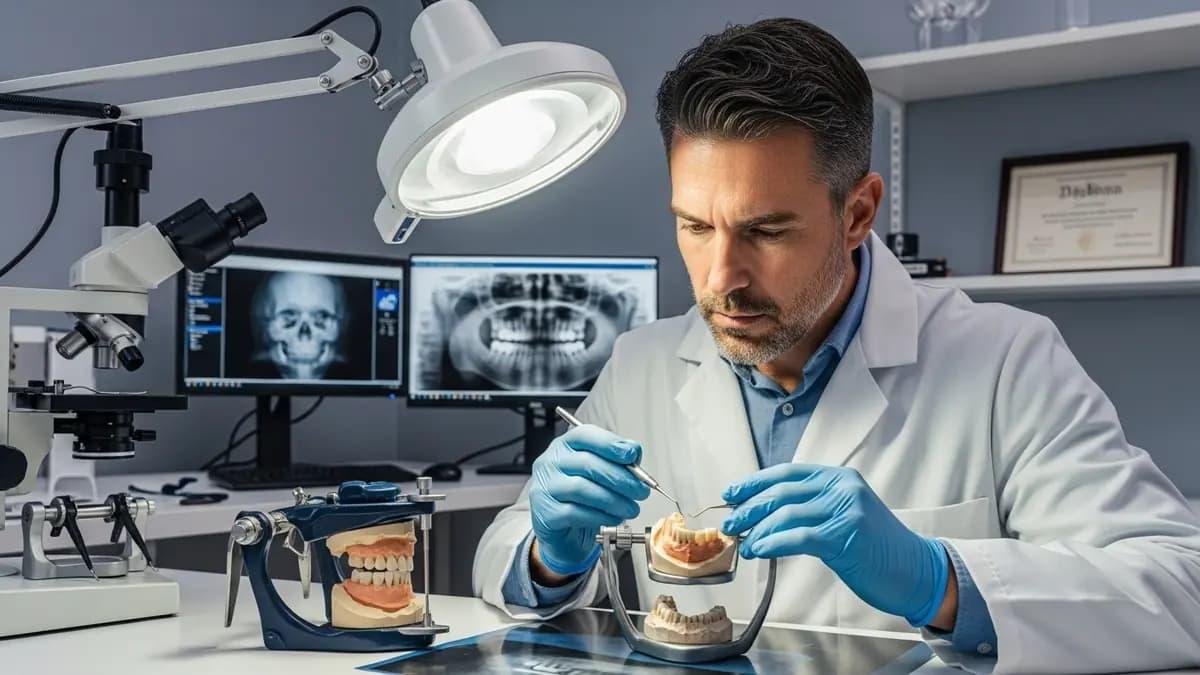
Forensic science is the application of scientific knowledge, principles, and techniques to the examination of evidence for legal and investigative purposes. It helps investigators and legal professionals understand, identify, compare, and interpret evidence associated with crimes, disputes, fraud, accidents, and other matters requiring scientific examination. Forensic science is not limited to traditional crime investigations. Today, it encompasses a wide range of disciplines, including questioned document examination, fingerprint examination, digital forensics, cyber forensics, audio-video forensics, forensic medicine, crime scene investigation, forensic anthropology, toxicology, forensic chemistry, fire investigation, and DNA analysis.
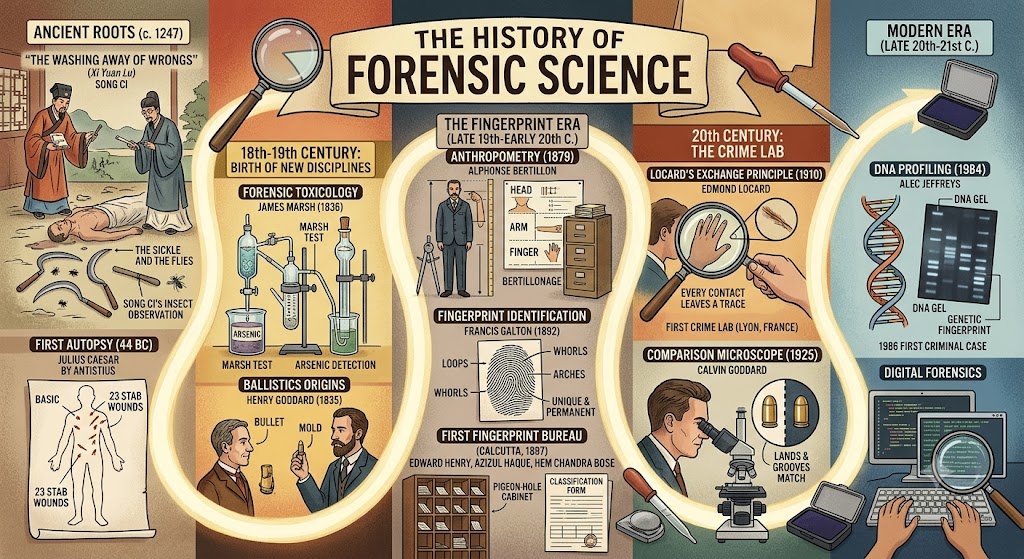
The development of forensic science has taken place over centuries as scientific knowledge and investigative techniques evolved. During the development of modern science, several pioneers contributed significantly to forensic disciplines.
Alphonse Bertillon developed the anthropometric identification system known as Bertillonage, which used physical measurements for identification before fingerprint systems became widely established.
Francis Galton made important contributions to the scientific study and classification of fingerprints, helping establish their value for personal identification.
Edmond Locard, a French scientist and pioneer of criminalistics, established an important principle commonly expressed as the “Locard Exchange Principle.” It states that when two objects or individuals come into contact, an exchange of material may occur. This principle became fundamental to modern crime-scene investigation.
Hans Gross, an Austrian jurist and criminologist, is also regarded as one of the pioneers of modern criminal investigation. His work emphasized the systematic use of scientific methods in investigating crime.
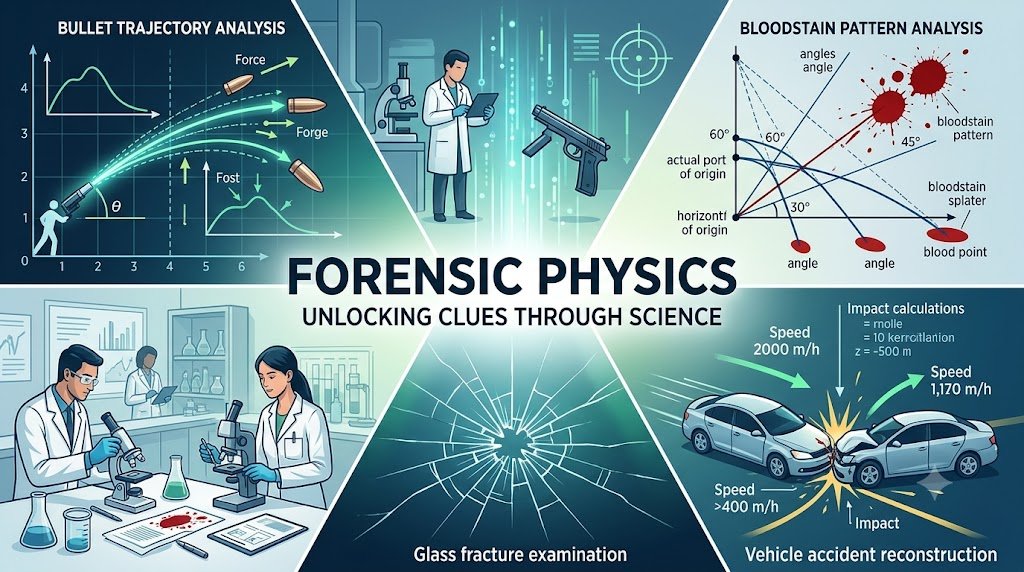
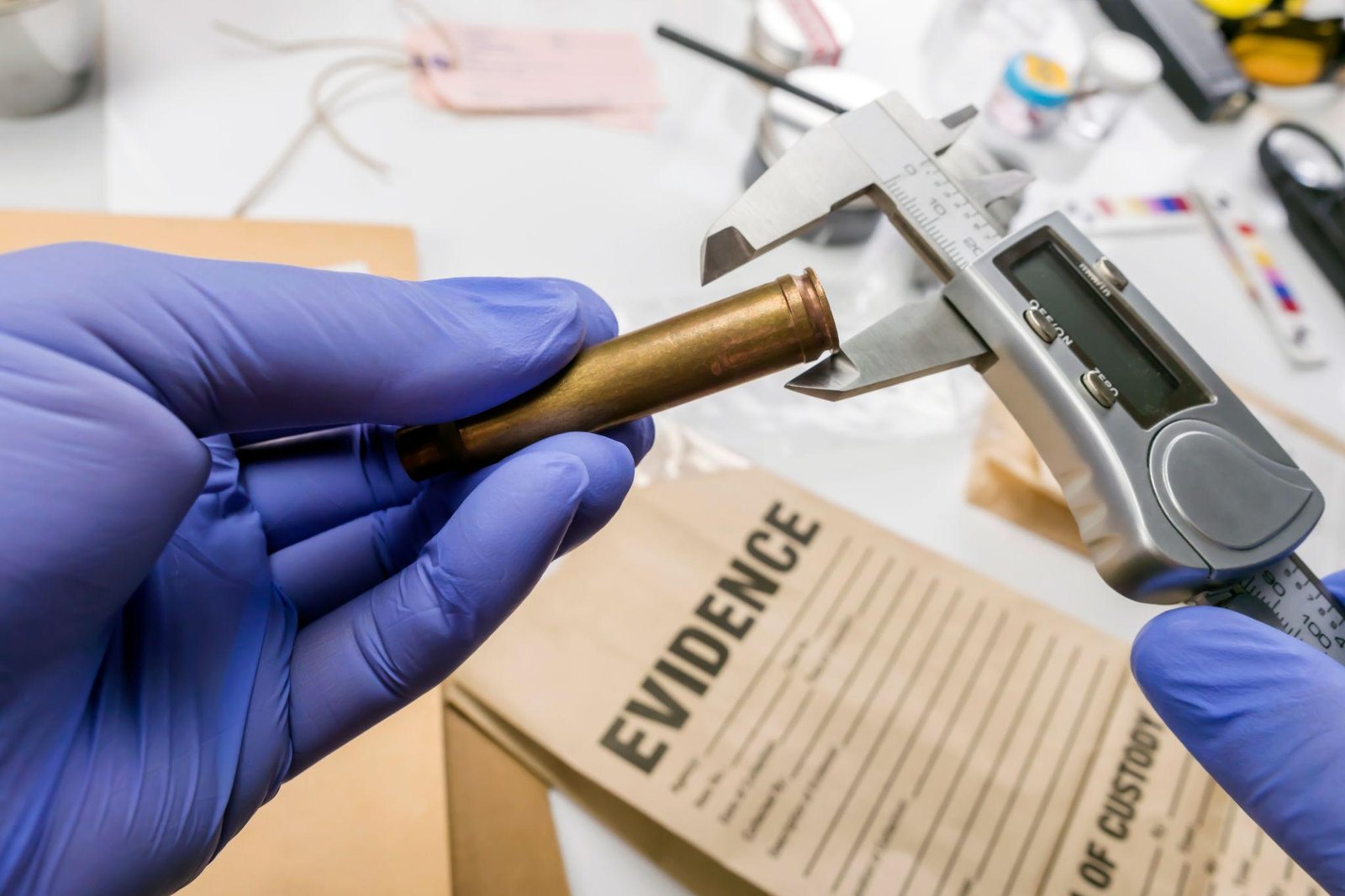
Forensic Physics applies the principles of physics to the examination of evidence. It can involve the study of physical properties, forces, motion, patterns, materials, glass, soil, paint, fibres, tool marks, and other physical evidence. Forensic physics may help determine how an event occurred and can assist in comparing or interpreting physical evidence found during an investigation.
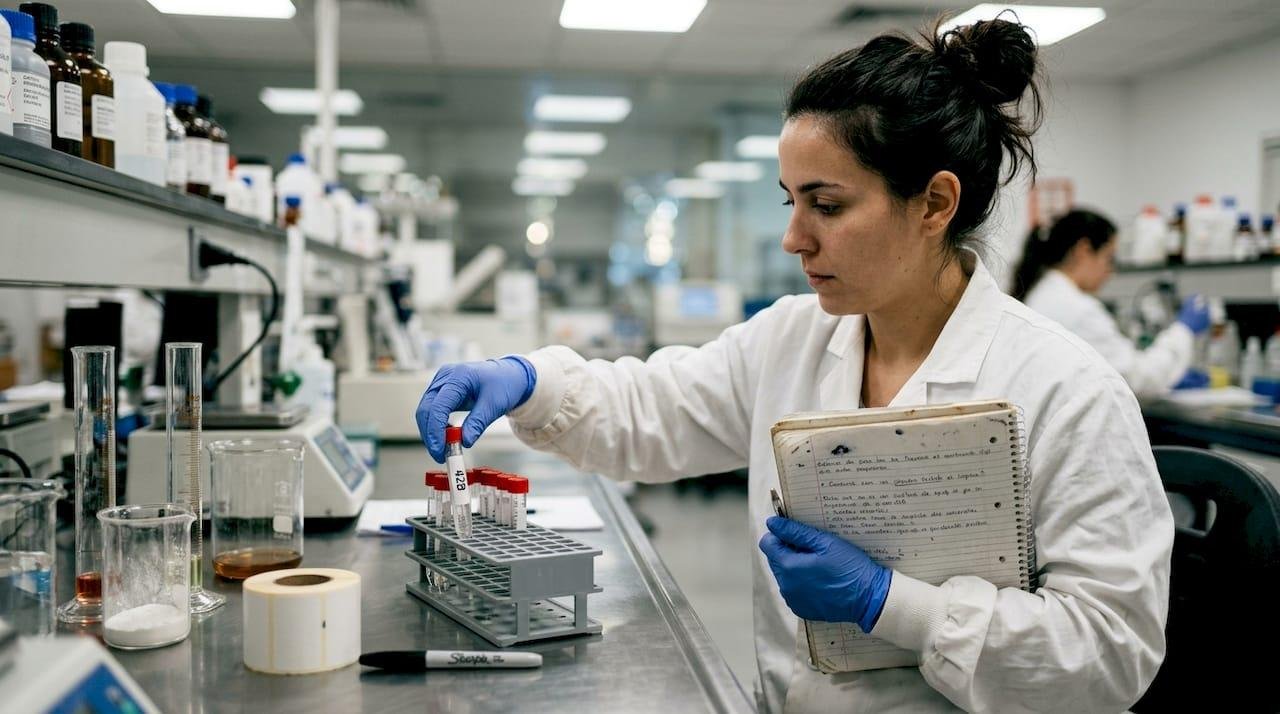
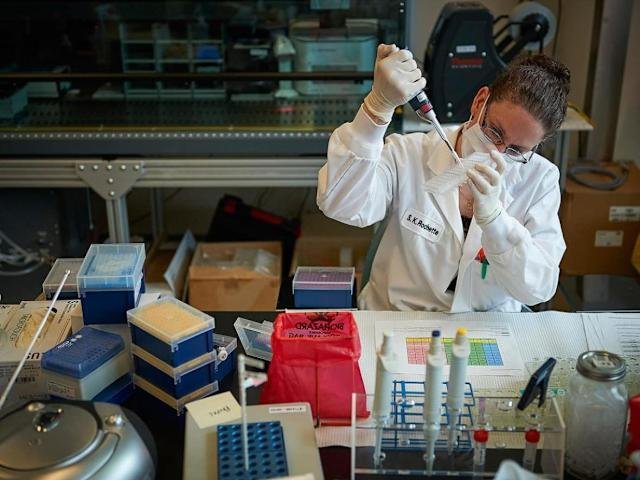
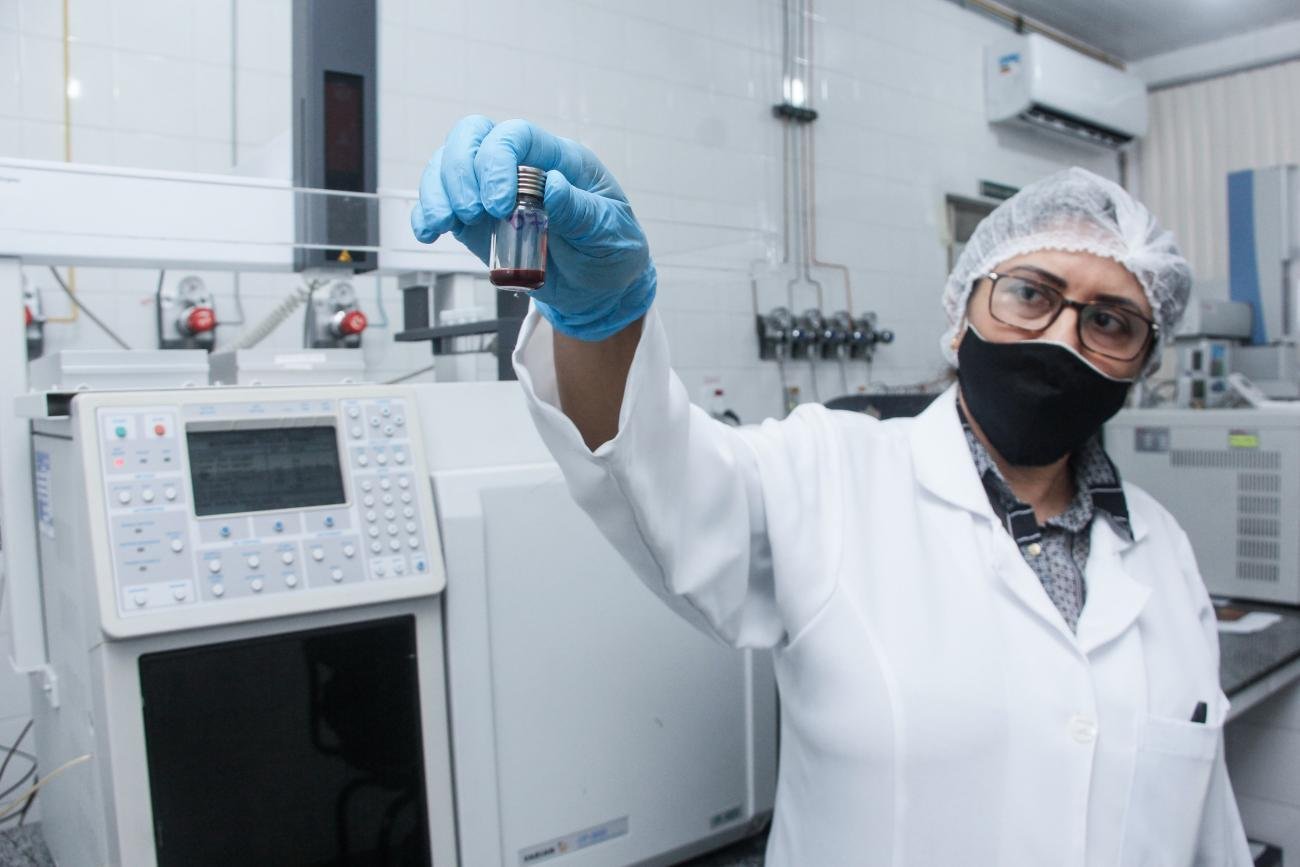
Forensic Chemistry involves the chemical examination of materials and substances associated with an investigation. It may include the analysis of unknown substances, chemicals, paints, glass, fibres, residues, explosives, and other materials. Forensic chemistry helps determine the composition or characteristics of evidence and can assist in establishing whether different samples are chemically similar or different
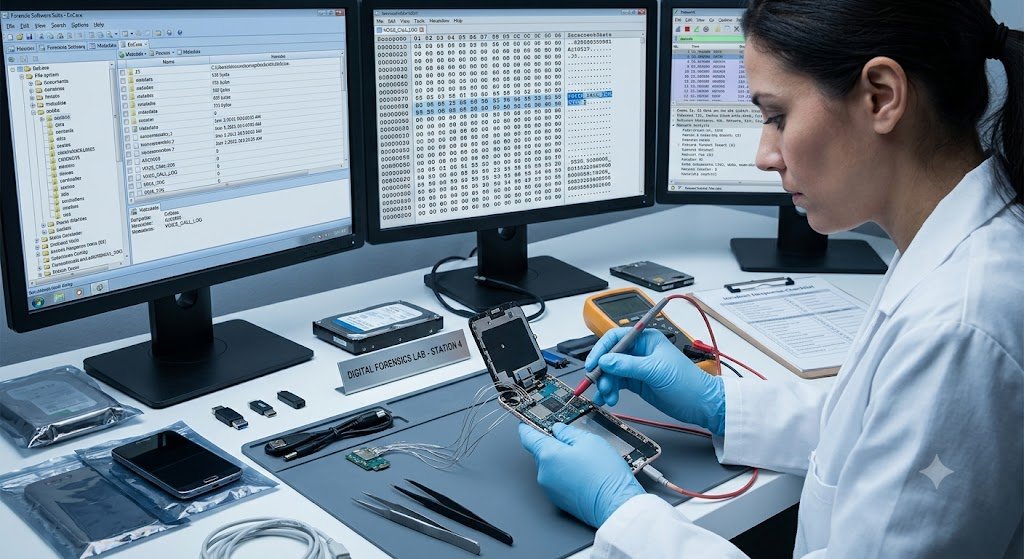
Digital Forensics is the scientific examination of evidence from electronic devices and digital systems. It may involve mobile phones, computers, laptops, hard drives, memory cards, digital documents, emails, applications, and other electronic evidence.
Cyber Forensics focuses on digital evidence associated with cyber incidents such as unauthorized access, data theft, online fraud, account compromise, and other cyber-related investigations.
Audio and Video Forensics involves the examination of audio recordings, voice recordings, CCTV footage, videos, images, and related digital media. Depending on the evidence available, experts may examine technical characteristics, frames, timestamps, continuity, metadata, compression, and other relevant features.
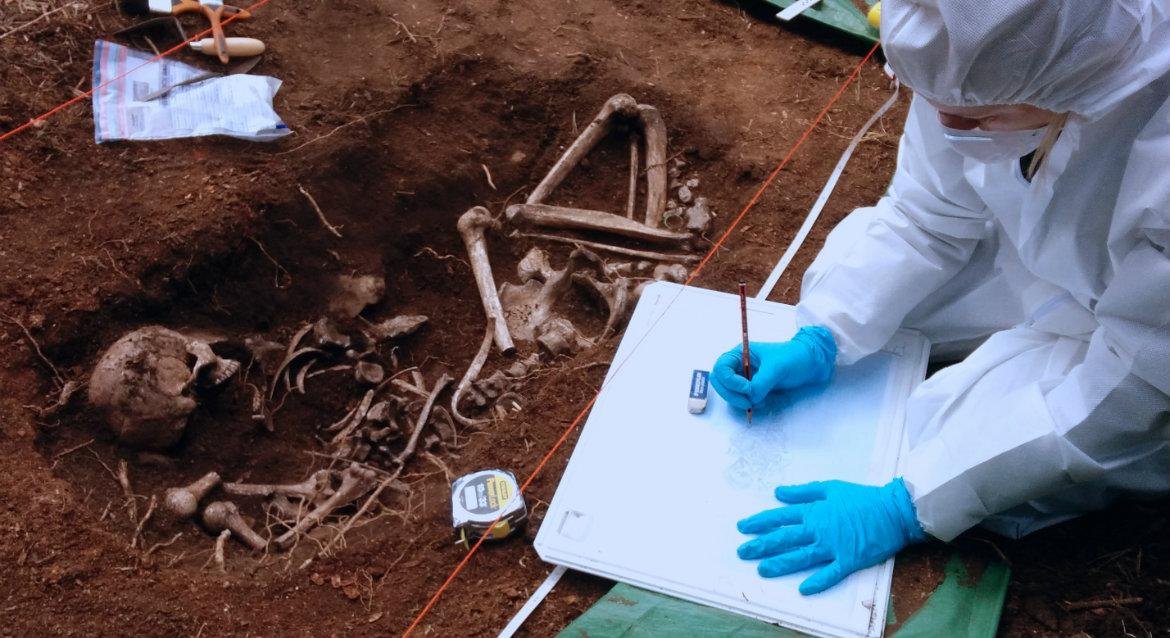
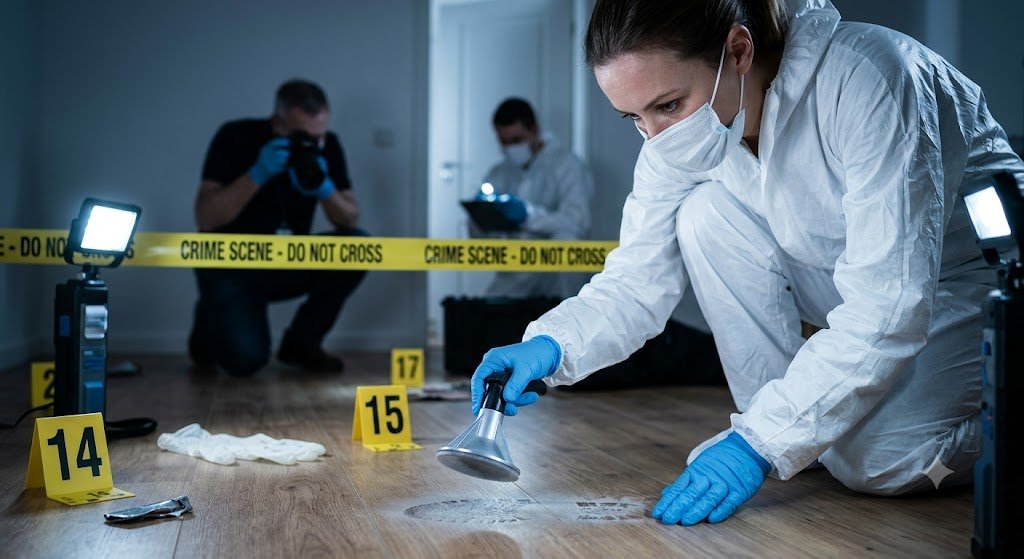
Crime Scene Investigation involves the systematic examination and documentation of a scene where an incident or crime may have occurred. It can include photography, evidence identification, collection, documentation, preservation, and proper packaging of evidence.
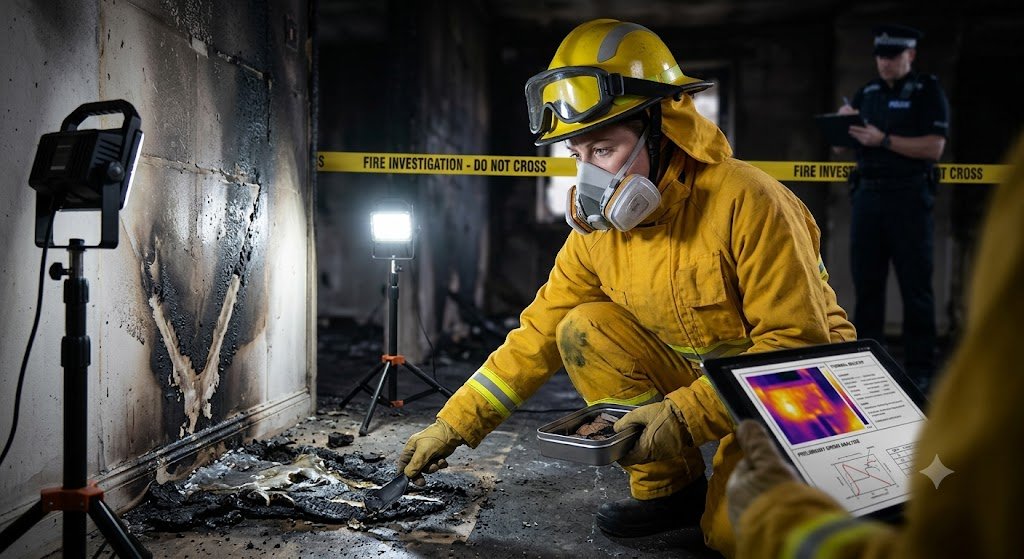
Fire and Arson Investigation involves the scientific examination of fire scenes. Experts may examine burn patterns, electrical systems, appliances, possible ignition sources, fire debris, CCTV footage, and other evidence to understand the circumstances and possible origin or cause of a fire.
Forensic science is important because it provides a scientific approach to the examination of evidence. Instead of relying only on assumptions or statements, investigators can use scientific examination to understand the characteristics and significance of available evidence. Forensic science can assist in criminal investigations, civil disputes, fraud investigations, corporate matters, insurance cases, document disputes, digital investigations, and other legal matters. The findings of forensic examination can help investigators, lawyers, organizations, and courts better understand technical evidence.
A forensic expert examines evidence within their area of specialization and provides an independent scientific opinion based on the available material. The expert may receive evidence, document its condition, conduct appropriate examinations, compare questioned and known samples where required, record observations, interpret the findings, and prepare a forensic report. A forensic expert should also clearly state the limitations of an examination when the available evidence is insufficient to reach a reliable conclusion.
Forensic science has changed significantly with the development of modern technology. Earlier forensic investigations mainly focused on physical evidence such as fingerprints, documents, weapons, biological material, and chemicals. Today, investigators also deal with mobile phones, computers, CCTV systems, digital communications, electronic documents, social-media evidence, artificial intelligence, and digitally generated or manipulated media. As technology continues to develop, forensic science is also evolving to address new forms of digital and technological evidence.
Forensic science is an important connection between science, investigation, and law. It provides scientific methods for examining different types of evidence and helps experts understand what the available evidence can demonstrate. From fingerprints and questioned documents to DNA, fire investigation, mobile phones, CCTV, audio, video, and digital evidence, forensic science covers a wide range of specialized disciplines. The main purpose of forensic examination is to scientifically examine, interpret, and report evidence in an objective and reliable manner, while clearly recognizing the limitations of the available material.