



Send Email
Visit Our Office
Confidentiality Guaranteed
Body preservation is a crucial scientific and medical practice that ensures a dead body is maintained in a stable condition for an extended period, preventing rapid deterioration. Whether for medical education, postmortem examinations, funerals, or long-distance transportation, proper preservation methods are essential to slow the decomposition process and maintain the dignity of the deceased body.
At Brilliant Forensic Investigation (BFI), we focus on advanced embalming methods and high-precision cadaver preservative and embalming machines designed to provide safe, effective, and reliable long-term preservation of human remains.
When a person dies, natural biochemical reactions trigger the decomposition process, leading to discoloration, tissue breakdown, and unpleasant odors. To prevent this, body preservation techniques are applied using both mechanical and chemical processes.
In forensic science, anatomy labs, and mortuaries, body preservation is often required for 24 hours or longer, depending on the purpose—whether for autopsy, ritual ceremonies, research, or temporary storage.
Embalming is a specialized procedure that involves injecting a chemical preservative solution into the circulatory system of the deceased body. This slows tissue breakdown, eliminates pathogenic bacteria, and maintains a natural appearance.
Key goals of embalming:
Prevent decomposition
Maintain body structure for an extended period
Allow families time for rituals and transportation
Prepare human remains for burial, cremation, or study
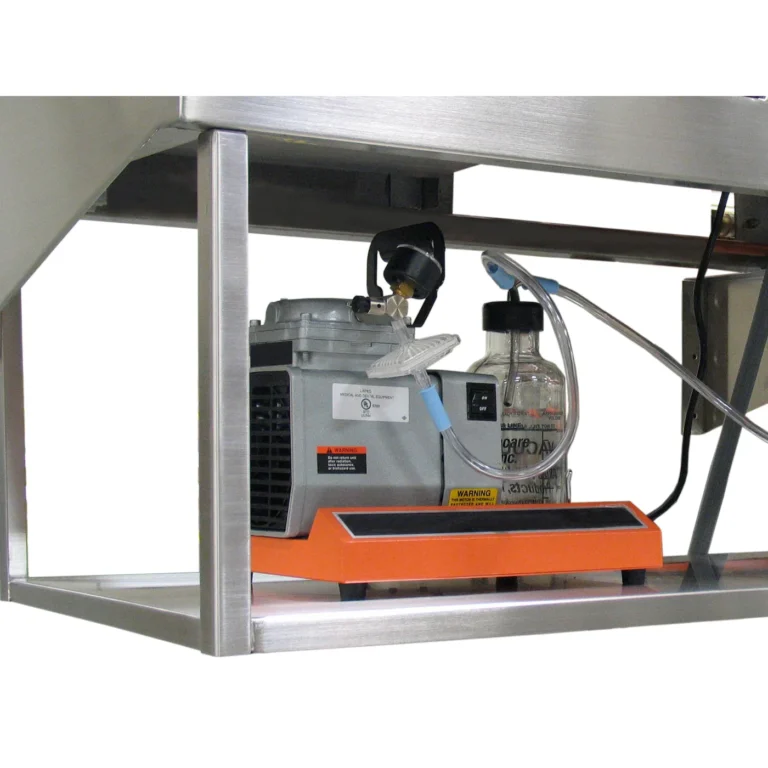
A modern embalming machine is a highly controlled device that automates the chemical process of introducing preservative fluids into the body. This ensures even distribution and enhances preservation efficiency.
✔ Main Features of an Embalming Machine
Regulated pressure flow for accurate fluid delivery
Stainless steel tubing for hygienic operations
Safety valves to prevent fluid contamination
Storage units for preservative chemicals
Easy-to-handle nozzles for controlled injection
These machines are especially beneficial when long-term preservation or long-distance transportation is required.
Different preservation methods are used depending on how long the dead body needs to be maintained.
1. Short-Term Preservation (Up to 24 Hours)
Used mainly in hospitals or mortuaries before immediate procedures. Typically requires minimal chemicals and surface treatment.
2. Medium-Term Preservation (Days to Weeks)
Standard embalming procedures involve injecting formaldehyde-based solutions to maintain tissue structure.
3. Long-Term Preservation (Months to Years)
Used for anatomical studies, legal cases, or unidentified human remains. Requires:
Specialized embalming machines
Higher concentration chemical solutions
Controlled storage environments
Embalming is only required in certain cases, such as:
Transportation of a dead body across long distance
Delayed funerals or ceremonies
Forensic investigations needing preserved samples
Medical colleges requiring cadavers for research
Legal cases involving disputed identity or cause of death
Proper preservation ensures:
Respectful handling of the deceased body
Prevention of biohazards
Support for forensic examination and evidence integrity
Opportunity for families to gather, even after days
Utilization of cadavers for scientific advancement
Modern preservation relies on both traditional techniques and new innovations.
1. Arterial Embalming
Primary method that involves injecting preservative via arteries.
2. Cavity Embalming
Preservation of internal organs using highly concentrated chemicals.
3. Surface Embalming
Application of chemicals to external wounds, burns, or damaged areas.
4. Immersion Embalming
Used for long-term preservation, especially for academic institutions.
A Cadaver Preservative & Embalming Machine plays a vital role in maintaining human remains for forensic, scientific, and ceremonial purposes. By applying appropriate preservation methods and a regulated chemical process, mortuary professionals ensure that the dead body remains in a dignified condition for the required duration—whether 24 hours, weeks, or even years.
Advanced embalming methods and automated systems make the process safer, more efficient, and suitable for both routine and specialized needs, such as long-distance transportation or extended forensic examination.
Are you in need of embalming machine services? Contact us today
📞 Contact Us: 9990292279
🌐 Visit Our Website: https://forensicexpertinvestigation.com/
✉️ Email: ceo.bfi@gmail.com
