

-
ceo.bfi@gmail.com
Send Email
-
2C, C-6/A Block, Janakpuri, Delhi India 110058
Visit Our Office
99902-92279
Confidentiality Guaranteed
99902-92279
Confidentiality Guaranteed
11
Aug

Aug
Sheena Bora murder case
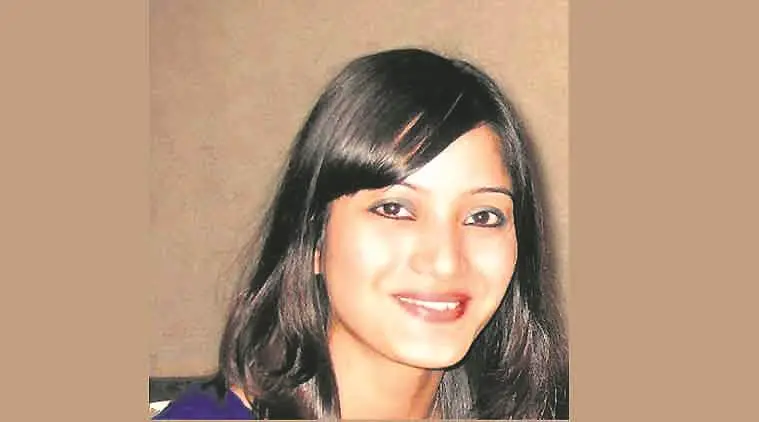
The Sheena Bora murder case is one of India’s most widely discussed criminal investigations, involving a complex disappearance, conflicting family accounts, alleged concealment of identity, and subsequent forensic investigation. Sheena Bora, a 25-year-old woman working as an Assistant Manager with Mumbai Metro One, disappeared on 24 April 2012 and was not seen again. The case remained unresolved publicly for several years before developments in 2015 brought the alleged circumstances surrounding her disappearance and death to the forefront.
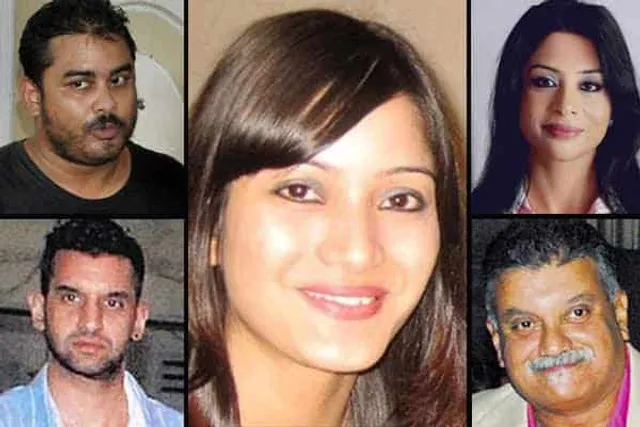
The investigation gained significant attention after Mumbai Police arrested Indrani Mukerjea and her former driver Shyamvar Rai in August 2015 in connection with the alleged abduction and murder. Indrani’s former husband, Sanjeev Khanna, was subsequently arrested, while her then-husband Peter Mukerjea was arrested later in November 2015 for his alleged involvement. The investigation involved examination of witness accounts, communications, family relationships, travel-related claims, and forensic evidence associated with the suspected disposal of the body.
From a forensic perspective, the case demonstrates the importance of integrating missing-person investigation, identification evidence, biological examination, DNA analysis, digital and communication evidence, witness statements, and reconstruction of events when investigating a suspected homicide.
Case History :
Early Life and Family Background
Sheena Das Bora was born in 1987 in Shillong, Meghalaya. She and her younger brother, Mikhail Bora, were raised for a significant part of their early lives by their maternal grandparents in Guwahati. Her family history later became an important element of the investigation because of questions surrounding her relationship with Indrani Mukerjea and the manner in which their relationship had been represented to others.
Indrani subsequently moved to Kolkata, where she pursued her education and later entered into relationships and marriages that expanded the family structure. She married Sanjeev Khanna in 1993, and they had a daughter, Vidhie. Following their divorce in 2002, Indrani married Peter Mukerjea.
When Sheena and Mikhail later moved to Mumbai, they were reportedly introduced socially as Indrani’s younger siblings rather than as her children. This concealed family relationship subsequently became an important aspect of the investigation because it provided context for understanding the interpersonal relationships and circumstances surrounding Sheena’s disappearance.
Education and Employment
Sheena studied at St. Xavier’s College, Mumbai, where she completed a Bachelor of Arts degree between 2006 and 2009. She subsequently entered the professional sector, initially working with Reliance Infrastructure as a management trainee.
In June 2011, she joined Mumbai Metro One as an Assistant Manager. At the time of her disappearance, she was a young working professional living in Mumbai and was involved in a relationship with Rahul Mukerjea, Peter Mukerjea’s son.
The Mysterious Disappearance and Emerging Questions
On 24 April 2012, Sheena Bora took leave from work and was never seen again. On the same day, Rahul Mukerjea received a text message from Sheena’s mobile phone stating that she wanted to end their relationship. This message later became one of the most important pieces of digital evidence examined during the investigation.
Following her disappearance, Indrani Mukerjea informed family members and others that Sheena had moved to the United States to pursue higher studies. As a result, no formal missing-person complaint was immediately registered. Despite repeatedly expressing concern, Rahul’s attempts to initiate a police investigation were unsuccessful.
Several inconsistencies soon began to emerge. Rahul stated that Sheena’s passport had been left behind with him, raising questions about how she could have traveled abroad. Indrani claimed that Sheena had obtained a new passport, but this explanation was never independently verified at that stage.
From a forensic and investigative perspective, the case highlights the importance of verifying travel records, passport information, digital communications, mobile phone data, and witness statements in missing-person investigations. The delay in initiating a formal investigation and the conflicting explanations regarding Sheena’s disappearance later became critical factors in reconstructing the events surrounding the case.
Investigation and Uncovering of the Sheena Bora Murder Case
The circumstances surrounding Sheena Bora’s disappearance remained unclear for more than three years. However, in 2015, the case took a dramatic turn when the Mumbai Police initiated surveillance of Indrani Mukerjea following specific intelligence inputs received during an unrelated investigation.
On 21 August 2015, Shyamvar Pinturam Rai, who had worked as Indrani’s driver, was arrested for the illegal possession of firearms. During his interrogation, investigators claimed that Rai disclosed crucial information regarding Sheena Bora’s disappearance and provided details that eventually led to the reopening of the case.
A significant development occurred on 26 August 2015, when Mikhail Bora publicly confirmed that Sheena was not Indrani’s sister, as had been portrayed for several years, but was, in fact, her biological daughter. This revelation raised serious questions about the family’s relationships and further intensified the investigation.
According to the First Information Report (FIR) filed by the Mumbai Police, Rai provided a detailed statement describing the alleged conspiracy behind the murder. Investigators claimed that the crime had been carefully planned in advance and that discussions regarding the alleged murder had taken place between Indrani Mukerjea and her former husband, Sanjeev Khanna.
Police records suggested that Indrani had visited and examined potential locations for disposing of the body before the incident. On 24 April 2012, Sanjeev Khanna reportedly traveled to Mumbai and checked into a hotel in Worli. Investigators also alleged that a vehicle had been arranged specifically to facilitate the movement of the victim and the subsequent disposal of the body.
According to the prosecution’s version, Sheena had been persuaded to meet Indrani on the evening of 24 April 2012. She was reportedly dropped near National College on Linking Road in Bandra, where Indrani, Sanjeev Khanna, and driver Shyamvar Rai were waiting.
Rai’s statement alleged that Sheena entered the vehicle and was later taken to a relatively isolated area in Bandra, where she was allegedly strangled. Following the incident, investigators claimed that her body was transported to Indrani’s residence in Worli, placed inside a bag, and concealed in the vehicle.
The investigation further alleged that the body remained inside the car overnight. During the early hours of 25 April 2012, the three individuals reportedly traveled toward Gagode village in Pen tehsil of Raigad district. To avoid attracting attention during possible police inspections, investigators claimed that the body was positioned inside the vehicle in a manner intended to create the appearance that the victim was asleep.
According to the police investigation, the accused reached an isolated forested location at approximately 4:00 AM, where the body was removed from the vehicle, placed inside a bag, doused with petrol, and set on fire in an attempt to destroy evidence.
After the alleged disposal of the body, the accused returned to Mumbai, while Sanjeev Khanna reportedly left the city later that same day.
The disclosures made during Rai’s interrogation transformed a missing-person case into one of India’s most widely discussed murder investigations, ultimately leading to multiple arrests and extensive judicial proceedings.
Arrests, Forensic Findings, and Legal Developments
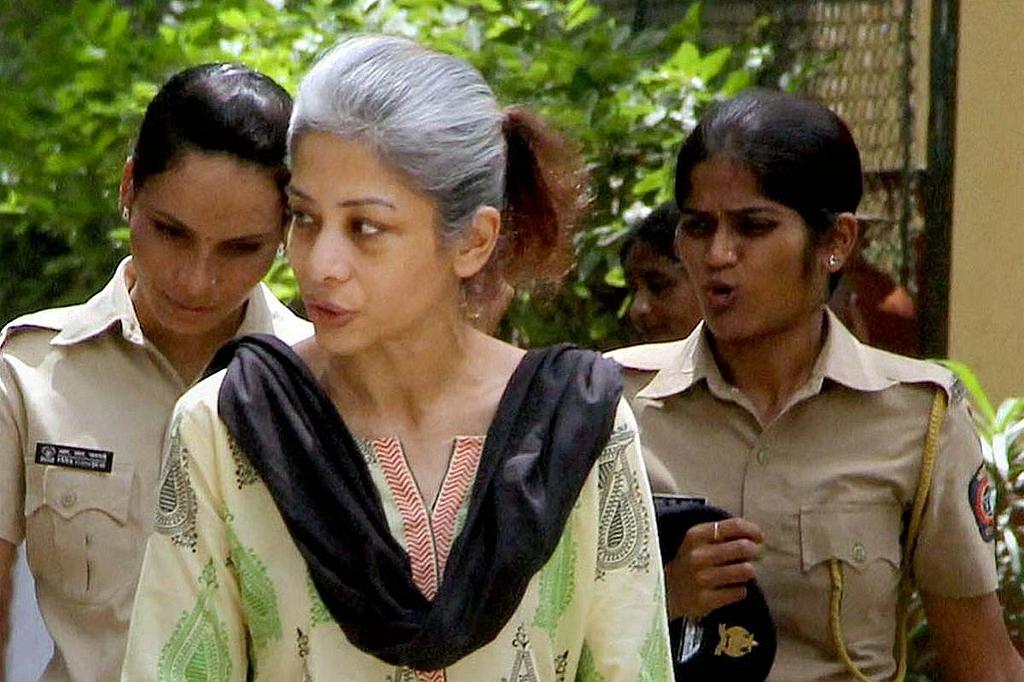
The investigation into Sheena Bora’s disappearance reached a critical stage on 25 August 2015, when the Mumbai Police arrested Indrani Mukerjea on allegations of murdering her daughter. She was charged under several provisions of the Indian Penal Code, including murder, kidnapping, destruction of evidence, and acts committed with a common intention. Following her arrest, she was produced before the Bandra Metropolitan Magistrate’s Court and remanded to police custody.
The investigation expanded further on 26 August 2015, when Sanjeev Khanna, Indrani’s former husband, was arrested in Kolkata. He was charged with kidnapping, murder, destruction of evidence, and criminal conspiracy. According to investigative reports, Khanna allegedly admitted his involvement during the course of the investigation.
On 19 November 2015, Peter Mukerjea was also arrested in connection with the case. Investigators alleged that he had prior knowledge of certain aspects of the incident and additionally examined financial transactions involving funds that had reportedly been transferred to a bank account in Sheena Bora’s name in Singapore.
One of the most significant developments in the investigation was the recovery of partially burned human remains from a forested area in Raigad district. The recovery was made after driver Shyamvar Rai reportedly guided investigators to the location where the body had allegedly been disposed of.
During the forensic examination, investigators recovered charred skeletal remains, including fragments of bone, a skull, and teeth. However, the condition of the remains presented considerable challenges for forensic scientists. DNA extraction from the recovered teeth was unsuccessful because of extensive heat damage. Nevertheless, experts were able to isolate genetic material from a fragment of the femur.
In September 2015, forensic DNA analysis revealed that the femur sample closely matched the DNA profile of Indrani Mukerjea, indicating that the remains belonged to her biological child, Sheena Bora. However, the investigation encountered another complication when additional biological samples collected in 2012 failed to produce matching results. Reports suggested that some of the original evidence might have been misplaced or incorrectly preserved, raising concerns regarding the handling and integrity of the evidence collected during the early stages of the investigation.
The case continued to progress through the judicial system for several years. In 2022, the Bombay High Court granted bail to Indrani Mukerjea after she had spent more than six years in custody as an undertrial prisoner. The Court observed that a substantial number of prosecution witnesses had yet to be examined and noted that there was no indication that the trial would conclude in the near future.
In 2023, Indrani Mukerjea published a memoir titled Unbroken, in which she presented her personal account of the events surrounding the case.
Another important development occurred in July 2024, when the Central Bureau of Investigation (CBI) informed the court that Sheena Bora’s remains had been identified and recovered, adding another significant chapter to one of India’s most widely discussed criminal investigations.
From a forensic perspective, the Sheena Bora case highlighted several critical issues, including the importance of preserving biological evidence, the challenges associated with identifying severely burned human remains, the role of DNA profiling in victim identification, and the impact of evidence management on the outcome of a criminal investigation.
Indrani Mukerjea is a former media executive and one of the central figures in the Sheena Bora murder case. Before the case came to light, Sheena Bora was publicly introduced as Indrani’s younger sister. However, investigators later revealed that Sheena was actually her biological daughter, a fact that significantly changed the direction of the investigation.
Timeline of Events
24 April 2012 – Sheena Bora Goes Missing
- Sheena Bora reportedly met Indrani in Mumbai.
- According to the prosecution, Sheena was allegedly abducted and murdered on the same day.
- Investigators later alleged that the crime was planned in advance and carried out with the assistance of Sanjeev Khanna and driver Shyamvar Rai.
25 April 2012 – Alleged Disposal of the Body
- According to the police investigation, Sheena’s body was transported to a forested area near Gagode village in Raigad district.
- Investigators alleged that the body was burned in an attempt to destroy evidence.
May 2012 – Recovery of Human Remains
- Partially burned skeletal remains were discovered in Raigad.
- At that time, the remains were not linked to Sheena Bora, and the case did not receive significant attention.
2012–2015 – The Disappearance Remains Unresolved
- Family members and acquaintances reportedly received messages suggesting that Sheena had left Mumbai voluntarily.
- During this period, many people believed that Sheena had relocated and ended contact with her family.
21 August 2015 – Arrest of Driver Shyamvar Rai
- Shyamvar Rai was arrested in an unrelated case involving the illegal possession of a firearm.
- During interrogation, he allegedly disclosed information about Sheena Bora’s murder.
25 August 2015 – Arrest of Indrani Mukerjea
- Mumbai Police arrested Indrani Mukerjea on charges including murder, kidnapping, and destruction of evidence.
- The arrest transformed the case into one of the most widely discussed criminal investigations in India.
August 2015 – Arrest of Sanjeev Khanna
- Sanjeev Khanna, Indrani’s former husband, was arrested in Kolkata.
- Investigators alleged that he participated in the murder and the subsequent disposal of the body.
26 August 2015 – Family Relationship Revealed
- Mikhail Bora publicly confirmed that Sheena was Indrani’s biological daughter and not her sister.
- This revelation became one of the most shocking developments in the case.
September 2015 – DNA Evidence Confirms the Victim’s Identity
- Forensic experts successfully extracted DNA from a femur recovered from the burned remains.
- DNA profiling established a close biological match between the recovered remains and Indrani Mukerjea, confirming that the remains belonged to her biological child, Sheena Bora.
19 November 2015 – Arrest of Peter Mukerjea
- Peter Mukerjea was arrested by investigators in connection with the case.
- Authorities also examined financial transactions associated with Sheena’s bank accounts.
2016 – The Trial Begins
- The case was transferred to the Central Bureau of Investigation (CBI).
- Charges were formally framed, and the trial began before a special CBI court.
2022 – Indrani Mukerjea Granted Bail
- The Bombay High Court granted bail to Indrani after more than six years in custody as an undertrial prisoner.
- The Court observed that a large number of prosecution witnesses had yet to be examined.
2023 – Publication of Unbroken
- Indrani Mukerjea published her memoir, Unbroken, in which she described the case from her perspective.
July 2024 – CBI Updates the Court
- The CBI informed the court that Sheena Bora’s remains had been identified and recovered.
- The trial and related proceedings continued.
Conclusion
The Sheena Bora murder case remains one of the most significant forensic investigations in contemporary India. Beyond the sensational media coverage and complex family relationships, the case demonstrated how scientific evidence can play a decisive role in uncovering the truth.
The investigation highlighted the importance of forensic disciplines such as DNA profiling, crime scene reconstruction, forensic anthropology, digital evidence analysis, and witness examination. Despite the alleged attempt to conceal the crime by burning and disposing of the body, forensic experts were able to recover and analyze biological evidence that proved crucial to the investigation.
The case also exposed several challenges within the criminal justice system, including delays in investigation, concerns regarding evidence preservation, and the lengthy nature of judicial proceedings. These issues emphasized the need for strict adherence to scientific protocols, proper documentation, and an unbroken chain of custody.
From a forensic science perspective, the role of Indrani Mukerjea in the case cannot be evaluated solely through allegations or public perception. Instead, it must be examined through the careful interpretation of physical evidence, witness testimony, laboratory findings, and judicial scrutiny.
As a forensic case study, the Sheena Bora investigation continues to provide valuable lessons for investigators, forensic scientists, law enforcement agencies, and legal professionals by demonstrating how multidisciplinary forensic techniques can assist in reconstructing complex criminal events and supporting the administration of justice.
Recent Posts
- The Psychology of Criminal Behaviour: Understanding the Mind Behind Crime
- Legal Rights of Protesters at Jantar Mantar, Delhi: What Every Citizen Should Know
- Polygraph Test in India
- What is Forensic Science? Intoduction, History, Branches & Role of forensic science
- Best Forensic Science Colleges in India: Courses, Admission & Career Scope
Archives
Categories
Recent Posts


Popular Tags
Automated fingerprint identification system (2)
Ballistics (2)
Business due diligence (2)
Case Study (2)
Celebrity Freedom of Expression (1)
Computer forensics (2)
Computer vision AI (2)
Court-Admissible Evidence (2)
Crime Scene Documentation (2)
Crime scene investigation (12)
CrimeSceneInvestigation (2)
CriminalInvestigation (2)
cybercrime investigation (2)
deepfake detection (2)
Digital evidence recovery (2)
digital forensics (4)
DNA Evidence (2)
DNA Fingerprinting (2)
DNA Profiling (4)
Expert Witness Services (2)
forensic ballistic (2)
Forensic Biology (2)
Forensic Case Review (2)
Forensic DNA Analysis (7)
Forensic Document Examination (2)
Forensic evidence analysis (10)
Forensic Examination (2)
Forensic fingerprint analysis (2)
forensic handwriting analysis (2)
Forensic investigation (10)
Forensic Photography (3)
forensic science (8)
ForensicScience (6)
Forensic Video Examination (2)
Forgery Detection (2)
handwriting analysis (5)
MicroscopicEvidence (2)
Network forensics (2)
Photo Forensic Analysis (2)
Questioned Document Analysis (2)
Questioned Document Examination (2)
Ranveer Singh Case (1)
Risk assessment services (2)
signature verification (4)
video forensics (2)