
-
ceo.bfi@gmail.com
Send Email
-
2C, C-6/A Block, Janakpuri, Delhi India 110058
Visit Our Office
99902-92279
Confidentiality Guaranteed
99902-92279
Confidentiality Guaranteed
27
Aug

Aug
Nirbhaya Case Study
Introduction
The 2012 Delhi gang rape and murder case, widely known as the Nirbhaya case, was one of the most significant criminal cases in modern Indian history. On 16 December 2012, a 23-year-old physiotherapy student was brutally assaulted and sexually assaulted by a group of men while travelling on a private bus in Delhi. Her male companion was also attacked and seriously injured.
About Nirbhaya – The Victim
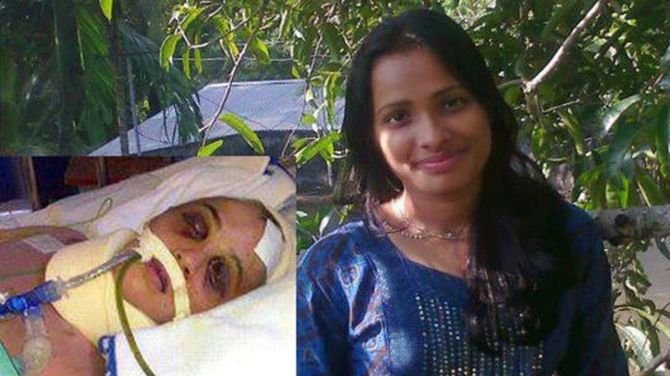
The young woman at the centre of the 2012 Delhi gang rape and murder case, widely known as the Nirbhaya case, was a 22-year-old physiotherapy graduate whose life and aspirations were tragically cut short by the assault of 16 December 2012. Her story subsequently became closely associated with the national conversation surrounding women’s safety, sexual violence, criminal justice and legal reform in India.
Early Life and Family Background
According to the provided case material, Jyoti Singh was born in Delhi on 10 May 1990. She was the eldest of three children and the only daughter in her family. Her parents originally came from a village in Ballia district of Uttar Pradesh and had moved to Delhi in search of better opportunities.Her family came from a modest socio-economic background. Her father worked hard to support the family and undertook different occupations, including employment at a pressure cooker factory, work as a security guard and later as a luggage loader. He also worked multiple shifts to provide his children with educational opportunities.Education was particularly important to the family. Her father had reportedly wanted to continue his own education and become a teacher but had been unable to do so because of financial limitations. He therefore placed considerable importance on ensuring that his children received opportunities that had not been available to him.The family reportedly did not distinguish between the educational aspirations of their son and daughter. Jyoti was encouraged to study and pursue a professional career, reflecting the aspirations of a young woman seeking independence through education and employment.
Education and Professional Aspirations
Jyoti pursued a professional education in physiotherapy and graduated from the Sai Institute of Paramedical & Allied Sciences in Dehradun.At the time of the incident, she had completed her professional education and was moving towards the beginning of her career. The source material states that she had recently applied for an internship at St. Stephen’s Hospital in Delhi.This aspect of her life is significant because she was not merely identified through the circumstances of her death. She was a young professional with educational qualifications, career ambitions and plans for her future.Her journey represented the aspirations of many young people from ordinary families seeking professional opportunities through education.
The Name "Nirbhaya"
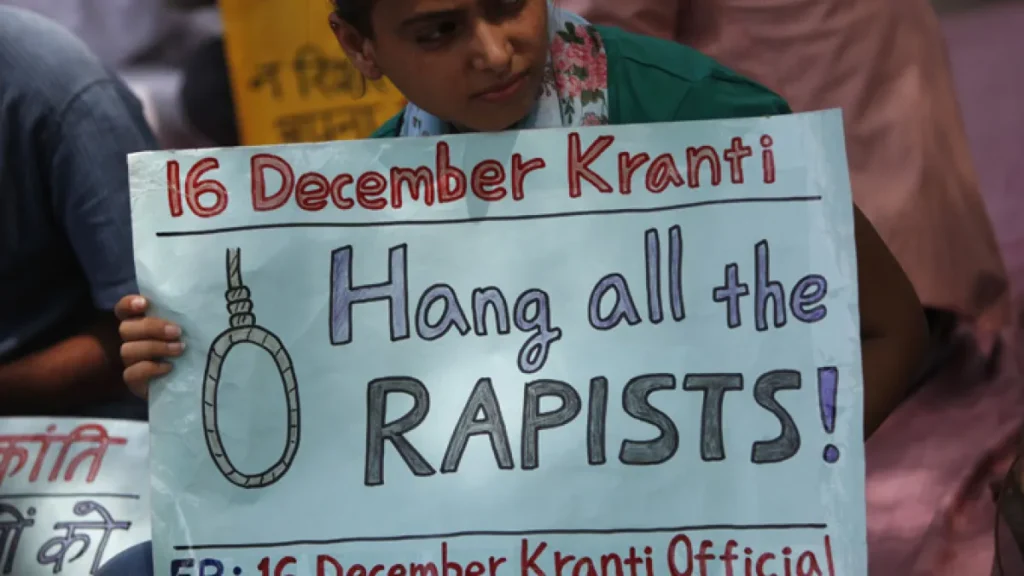
Following the incident, the victim’s identity was initially withheld from the media in accordance with the legal restrictions applicable to disclosure of the identity of a rape victim.As a result, different media organisations used pseudonyms to refer to her. Among the names reported in the source material were Jagruti, Amanat, Nirbhaya, Damini and Delhi Braveheart.Of these, “Nirbhaya”, meaning “fearless”, became the name by which she was most widely known.The term acquired significance beyond being a pseudonym. It came to represent courage, resistance and the demand for justice following the attack. Her identity as “Nirbhaya” subsequently became deeply associated with the wider public movement against sexual violence.
What Happened to Nirbhaya on 16 December 2012?
On the night of 16 December 2012, Jyoti Singh, a 22-year-old physiotherapy graduate, was returning home with her male friend after watching a movie in Saket, Delhi. They travelled to Munirka, where they boarded a private bus travelling towards Dwarka at approximately 9:30 PM
At the time, several other men were already inside the bus, including the driver. The passengers were offered a ride towards their destination, but after the victims boarded, the bus reportedly deviated from its expected route and its doors were closed. When Jyoti’s companion questioned the situation, an altercation developed between him and the men inside the vehicle.
Assault Inside the Moving Bus
During the confrontation, Jyoti’s companion was physically attacked, beaten and rendered unconscious. Jyoti was then taken towards the rear portion of the bus, where she was subjected to severe physical and sexual violence.
The investigation and subsequent medical examination documented extensive injuries. The assault involved repeated physical beating and the use of a metal object, later described in police accounts as an L-shaped implement associated with a vehicle jack.The medical findings indicated severe trauma involving the abdomen, intestines and genital region. The injuries were so extensive that they required multiple surgical interventions during her subsequent treatment.
Resistance During the Attack
According to police reports cited in the case material, Jyoti attempted to resist her attackers. Bite marks were reportedly found on three of the accused, which investigators associated with her efforts to defend herself.This aspect became significant both in the investigation and in the public understanding of the case. Despite the extreme circumstances, the evidence indicated that she attempted to fight back against the assault.
Disposal of the Victims
After the assault, both Jyoti and her companion were thrown from the moving bus.The perpetrators subsequently attempted to remove evidence from the vehicle. The bus was later recovered and taken into police custody for forensic examination.The vehicle itself became a significant part of the crime scene because investigators could examine it for physical, biological and trace evidence capable of connecting the victims, suspects and events inside the bus.
Discovery and Emergency Response
At approximately 11:00 PM, the two victims were found seriously injured on the roadside by a passerby. The passerby contacted the police, following which both victims were taken to Safdarjung Hospital, Delhi.Jyoti was found to have extensive injuries and required immediate emergency treatment and mechanical ventilation. Her companion survived but had sustained serious physical injuries.The immediate medical examination and subsequent forensic documentation became important components of the investigation.
Investigation and Legal Proceedings
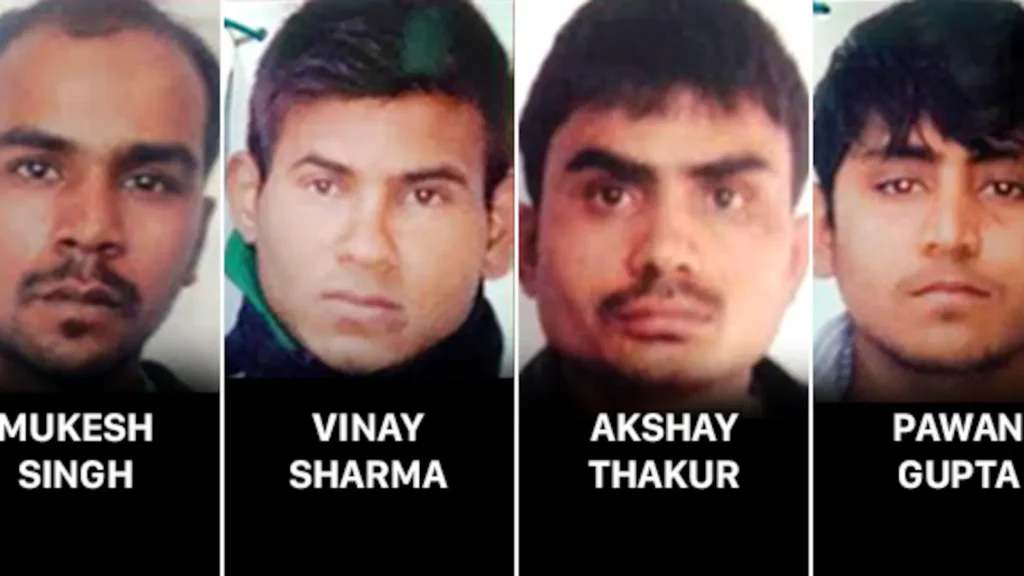
Following the death of Jyoti Singh on 29 December 2012, the investigation into the Delhi gang rape and murder entered a critical phase. The incident had already generated widespread public outrage, and her death intensified demands for swift investigation and justice. The Delhi Police continued to investigate the circumstances surrounding the assault, identify the persons involved, collect physical and forensic evidence, and establish the sequence of events leading to the victim’s death.The investigation identified six persons as being involved in the crime. The accused included Mukesh Singh, Vinay Sharma, Akshay Thakur, Pawan Gupta, Ram Singh, and a juvenile accused. Their arrests were made within days of the incident. The police investigation relied upon several categories of evidence, including the statements of the victim recorded before her death, medical and medico-legal evidence, forensic examination of the bus and other relevant articles, biological evidence, clothing, fingerprints, CCTV footage, and other investigative material.
The trial court ultimately found four adult accused—Mukesh Singh, Vinay Sharma, Akshay Thakur, and Pawan Gupta—guilty of the principal offences. They were sentenced to death. The proceedings against Ram Singh could not continue after he was found dead in Tihar Jail in March 2013; his death was officially treated as suicide, although it generated further public discussion and controversy.
Delhi Police constituted a Special Investigation Team (SIT) to conduct a detailed investigation. The SIT was headed by Pramod Kumar Kushwaha, Deputy Commissioner of Police in the Special Cell. The investigation progressed rapidly, and several suspects were identified and arrested within approximately 24 hours of the crime.A significant breakthrough came through CCTV footage recorded along the highway. The footage provided investigators with information about the bus involved in the incident. It was identified as a white charter bus with distinctive writing on its exterior. Other transport operators helped investigators establish that the bus was being operated under contract for a private school in South Delhi. The police subsequently traced the vehicle and identified its driver, Ram Singh.The investigation was further assisted by the male victim, who provided descriptions from which sketches of the assailants were prepared. Investigators also traced a mobile phone stolen from the victims, which helped establish a connection to one of the suspects. These investigative leads enabled the police to identify and apprehend the individuals allegedly involved in the offence.Six persons were ultimately arrested in connection with the case. They were Ram Singh, the bus driver; his brother Mukesh Singh; Vinay Sharma, an assistant gym instructor; Pawan Gupta, a fruit seller; Akshay Thakur, who had come to Delhi seeking employment; and a juvenile accused, who was below 18 years of age at the time of the offence.Ram Singh and Mukesh Singh were arrested in Rajasthan. Vinay Sharma and Pawan Gupta were apprehended in Uttar Pradesh and Bihar respectively. The juvenile accused was arrested at Anand Vihar railway terminal in Delhi. Akshay Thakur was subsequently arrested in Aurangabad, Bihar, making him the last of the six accused to be apprehended.Following their arrests, the accused were placed in judicial custody. Ram Singh was produced before a Metropolitan Magistrate on 18 December 2012 and reportedly declined to participate in an identification procedure. Mukesh Singh, who was lodged in Tihar Jail, was reportedly assaulted by other inmates and was subsequently kept in protective solitary confinement.A significant development occurred on 11 March 2013, when Ram Singh was found hanging from a ventilator shaft inside his Tihar Jail cell. He was sharing the cell with other prisoners at the time. Jail authorities reported that he was discovered at approximately 5:45 a.m. The circumstances of his death generated controversy, with questions being raised over whether it was suicide or whether foul play could have been involved.
Judicial Proceedings
The trial of the accused in the 2012 Delhi gang rape and murder case was conducted amid intense public attention and demands for speedy justice. The male survivor, Avindra Pratap Pandey, testified in court on 19 December 2012 and recorded his statement before a Sub-Divisional Magistrate at Safdarjung Hospital on 21 December. His testimony was an important part of the prosecution case, although he reportedly suffered significant psychological trauma following the incident.The government announced that the charge sheet would be filed expeditiously and that the prosecution would seek the maximum punishment. The Delhi Police subsequently committed to filing the charge sheet within one week. The Delhi High Court also approved the establishment of five fast-track courts for rape and sexual-assault cases. The first was inaugurated at the Saket court complex on 2 January 2013.The proceedings also exposed concerns regarding police response. The Delhi High Court criticised the police for being evasive in providing information concerning officers on patrol along the bus route. Action was also initiated against police personnel for allegedly failing to respond appropriately to the earlier robbery committed on the bus. Two Assistant Commissioners of Police were subsequently suspended.
Juvenile Defendant
The juvenile accused, Mohammed Afroz, was determined by the Juvenile Justice Board to be 17 years and six months old at the time of the offence. The Board relied on his birth certificate and school records and rejected a request for an ossification test. On 28 January 2013, the Board ruled that he would not be tried as an adult, despite petitions seeking adult prosecution because of the severity of the alleged crime.His case was therefore heard separately under the Juvenile Justice (Care and Protection of Children) Act, 2000. On 31 August 2013, he was found guilty of rape and murder and received the maximum sentence then permissible under the applicable juvenile law: three years in a reformative facility, including the period already spent in custody.He was released on 20 December 2015 after completing the prescribed period. Before his release, a rehabilitation and post-release plan was prepared, recommending assistance for his reintegration into society. Reports stated that he had learned cooking and tailoring during his stay in the reform facility. The authorities proposed financial assistance and equipment to help him establish a livelihood. His release became a subject of significant public debate and contributed to wider discussions regarding juvenile justice and the treatment of serious offences committed by minors.
Legal Charges and Offences Attributed to the Accused
In the Nirbhaya case, the four adult accused—Mukesh Singh, Pawan Gupta, Vinay Sharma and Akshay Thakur—were prosecuted for substantially the same principal offences, although the evidence and specific allegations concerning each accused were considered individually by the courts. The Supreme Court ultimately upheld their convictions for murder under Section 302 IPC, gang rape under Section 376(2)(g) IPC, kidnapping/abduction-related offences, dacoity under Section 395 IPC, dacoity with a deadly weapon under Section 397 IPC, and other connected offences. The criminal conspiracy provision, Section 120B IPC, was also relevant to the common design and participation of the accused.
Mukesh Singh, the brother of Ram Singh and a participant in the incident, was prosecuted along with the other adult accused. He faced the principal charges arising from the common criminal act, including Sections 302, 376(2)(g), 365/366, 395, 397, 201 and 120B IPC, along with other connected provisions. His role was considered in relation to the group’s collective conduct and the events occurring inside the bus.
Pawan Gupta was likewise prosecuted for his participation in the group offence. The charges against him included the principal provisions relating to murder, gang rape, kidnapping/abduction, dacoity, use of a deadly weapon and criminal conspiracy, principally under Sections 302, 376(2)(g), 365/366, 395, 397 and 120B IPC. Evidence concerning his participation was assessed together with the testimony, medical evidence and other forensic and circumstantial evidence presented by the prosecution.
Vinay Sharma, who was identified as another adult participant, was also charged under the principal provisions arising from the incident. These included Section 302 IPC for murder, Section 376(2)(g) IPC for gang rape, Sections 365/366 IPC for kidnapping/abduction-related offences, Sections 395 and 397 IPC for dacoity and dacoity involving a deadly weapon, and Section 120B IPC for criminal conspiracy. His conviction was ultimately considered along with those of the other adult accused.
Akshay Thakur, who was the last of the adult accused to be arrested, was also tried for the principal offences. The prosecution case against him included Sections 302, 376(2)(g), 365/366, 395, 397 and 120B IPC, together with other connected charges. The courts evaluated his individual participation within the broader criminal conduct of the group.
Ram Singh, the bus driver and brother of Mukesh Singh, was initially an accused in the case and faced the principal charges arising from the incident. However, he died in Tihar Jail on 11 March 2013, before the completion of the trial. Consequently, the criminal proceedings against him came to an end and there was no final judicial conviction against him.
The juvenile accused was treated differently because he was determined to be below 18 years of age at the time of the offence. His case was therefore not tried alongside the adult accused in the regular criminal court. The Juvenile Justice Board dealt with his alleged involvement under the Juvenile Justice (Care and Protection of Children) Act, 2000. He was ultimately found guilty of rape and murder and received the maximum three-year period of detention permitted under the juvenile law applicable at that time.
Under today’s legal framework, the corresponding provisions would generally fall under the Bharatiya Nyaya Sanhita, 2023 (BNS). For example, IPC Section 302 (murder) corresponds to BNS Section 103(1), IPC Section 307 (attempt to murder) to BNS Section 109, IPC Section 120B (criminal conspiracy) to BNS Section 61(2), and IPC Section 376(2)(g) (gang rape) to BNS Section 70(1). However, these modern provisions were not applied to the 2012 offence; the accused were prosecuted under the IPC provisions then in force.
Recent Posts
Archives
Categories
Recent Posts
Popular Tags
Automated fingerprint identification system (2)
Ballistics (2)
Business due diligence (2)
Call Log Analysis (1)
Case Study (2)
Computer forensics (2)
Computer vision AI (2)
Court-Admissible Evidence (2)
Crime Scene Documentation (2)
Crime scene investigation (12)
CrimeSceneInvestigation (2)
CriminalInvestigation (2)
cybercrime investigation (2)
deepfake detection (2)
Digital evidence recovery (2)
digital forensics (4)
DNA Evidence (2)
DNA Fingerprinting (2)
DNA Profiling (4)
Expert Witness Services (2)
forensic ballistic (2)
Forensic Case Review (2)
Forensic DNA Analysis (7)
Forensic Document Examination (2)
Forensic evidence analysis (10)
Forensic Examination (2)
Forensic fingerprint analysis (2)
forensic handwriting analysis (2)
Forensic investigation (10)
Forensic Photography (3)
forensic science (7)
ForensicScience (6)
Forensic Video Examination (2)
Forgery Detection (2)
handwriting analysis (5)
MicroscopicEvidence (2)
Mobile Evidence Extraction (1)
Network forensics (2)
Online Crime Investigation (1)
Photo Forensic Analysis (2)
Questioned Document Examination (2)
Risk assessment services (2)
signature verification (4)
TikTok Ban India (1)
video forensics (2)