



-
ceo.bfi@gmail.com
Send Email
-
2C, C-6/A Block, Janakpuri, Delhi India 110058
Visit Our Office
99902-92279
Confidentiality Guaranteed
99902-92279
Confidentiality Guaranteed
18
Jun


Jun
Photo and Video Forensic Analysis
Photo and Video Forensic Analysis: How Experts Authenticate Visual Evidence
In modern investigations, photographs and videos are among the most persuasive forms of evidence. CCTV footage, mobile phone videos, social media images, and digital recordings are routinely presented before courts, police authorities, corporates, and inquiry committees. However, the rise of advanced editing software, artificial intelligence, and deepfake technology has made visual evidence highly vulnerable to manipulation.
Photo and Video Forensic Analysis is the scientific process through which experts examine digital images and videos to verify their authenticity, detect tampering, and uncover hidden alterations. This article explains—using simple language—how forensic experts authenticate visual evidence, what tools they use, and why forensic verification is essential in legal and investigative matters.
What Is Photo and Video Forensic Analysis?
Photo and Video Forensic Analysis is a specialized branch of digital forensics that focuses on the scientific examination of visual media to determine whether it is original, altered, fabricated, or misleading.
The analysis helps answer critical questions such as:
Is the image or video genuine?
Has it been edited, cropped, spliced, or enhanced?
Was artificial intelligence or deepfake technology used?
Can the media be relied upon as legal evidence?
The goal is not visual enhancement, but truth verification and legal reliability.
Why Visual Evidence Needs Forensic Authentication
Many people assume that manipulation is obvious. In reality, modern tools allow edits that are nearly invisible to the human eye. Common risks include:
Objects or people added or removed from images
Edited CCTV footage showing false timelines
Audio replaced or muted in videos
Screenshots presented instead of original files
AI-generated or face-swapped videos
Without forensic analysis, manipulated visuals can lead to wrongful accusations, false claims, or unjust legal outcomes.
How Experts Examine Photographic Evidence
1. Metadata (EXIF) Analysis
Digital photographs store hidden technical data known as metadata, which may include:
Date and time of capture
Device make and model
Image format and resolution
Editing software used
Forensic experts analyze this data to identify inconsistencies, such as editing software appearing in a supposedly “original” image or timestamps that contradict claimed events.
2. Error Level Analysis (ELA)
Error Level Analysis highlights variations in compression across an image. Edited areas often compress differently than original areas, allowing experts to detect:
Inserted objects or faces
Altered backgrounds
Image cloning or patching
3. Pixel, Shadow, and Lighting Examination
Experts examine:
Pixel structure and noise patterns
Direction of light and shadows
Reflections and contrast levels
Inconsistencies often indicate that elements were digitally inserted or modified.
4. Image Source Verification
Reverse image searches and database comparisons are used to check whether an image existed earlier in a different context, helping expose reused or misrepresented visuals.
How Experts Examine Video Evidence
Video forensic analysis is more complex because it involves frames, motion, audio, compression, and encoding.
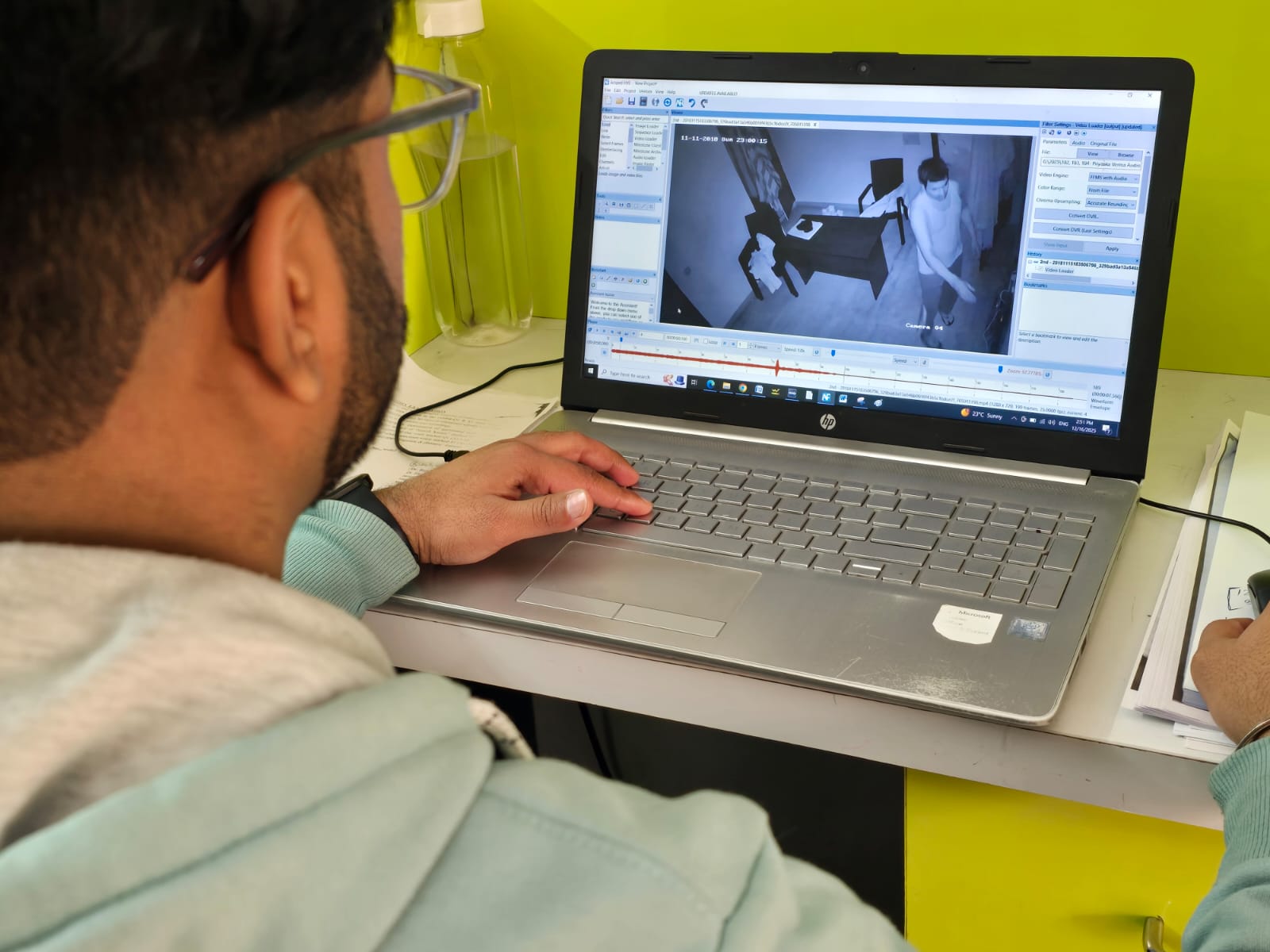
1. Frame-by-Frame Analysis
Experts examine videos frame by frame to detect:
Missing or duplicated frames
Abrupt scene transitions
Splicing or stitching marks
Even subtle edits often leave forensic traces at the frame level.
2. Compression and Encoding Analysis
Each recording device follows specific compression patterns. Analysts examine:
Codec signatures
Bitrate consistency
Re-encoding artifacts
Multiple compressions often indicate editing or reprocessing.
3. Audio-Video Synchronization
Authentic videos maintain natural synchronization between audio and visuals. Experts look for:
Lip-sync mismatches
Abrupt audio cuts
Background noise inconsistencies
These may indicate dubbing or manipulation.
4. Deepfake and AI Manipulation Detection
Advanced forensic tools help identify AI-generated content by examining:
Unnatural facial movements
Abnormal blink rates
Skin texture artifacts
Inconsistent facial geometry
This analysis is increasingly vital in cybercrime, extortion, and impersonation cases.
Tools Used in Photo and Video Forensic Analysis
Forensic experts rely on court-accepted forensic tools, not common editing software. These include:
Metadata extraction tools
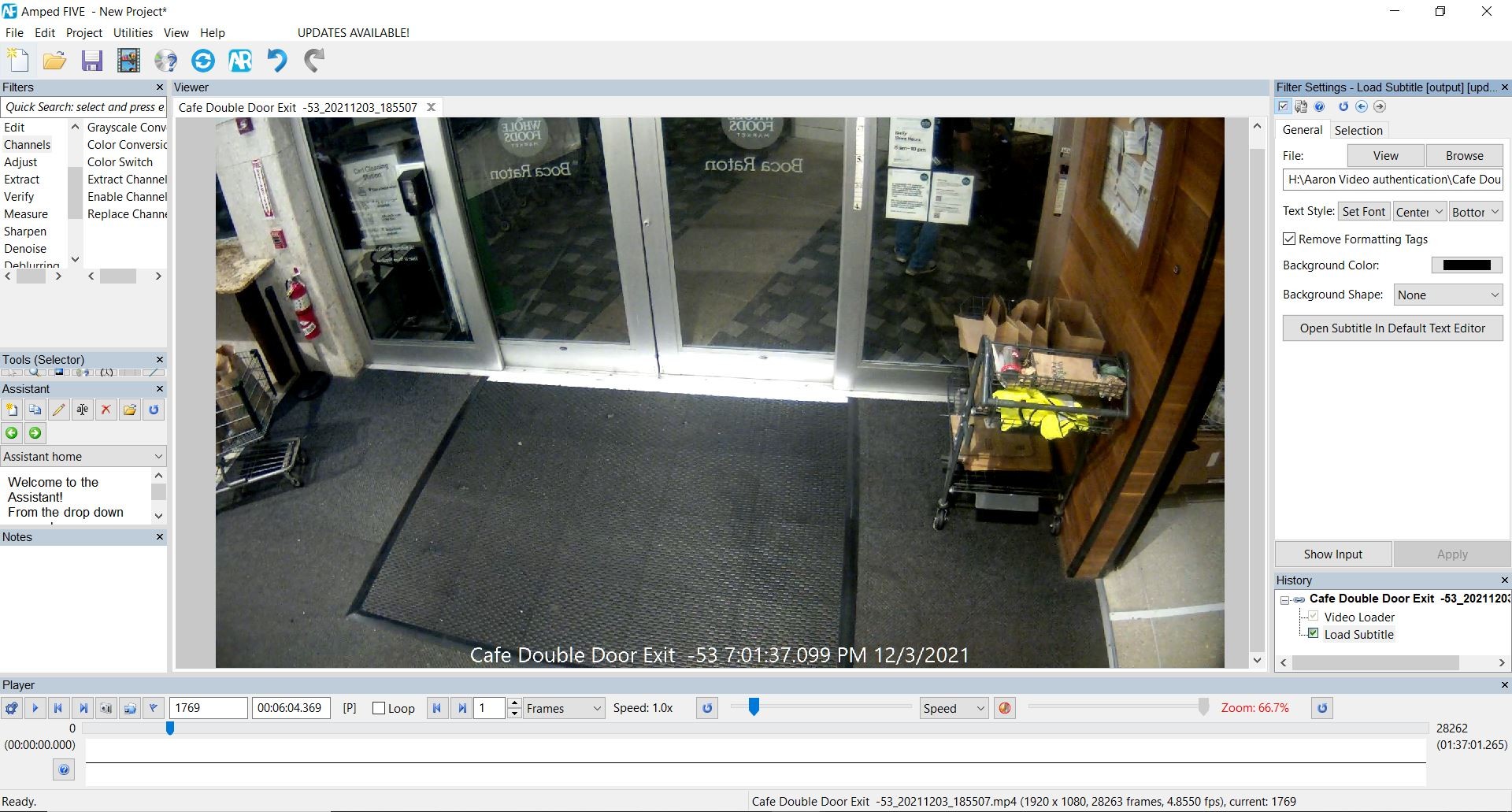
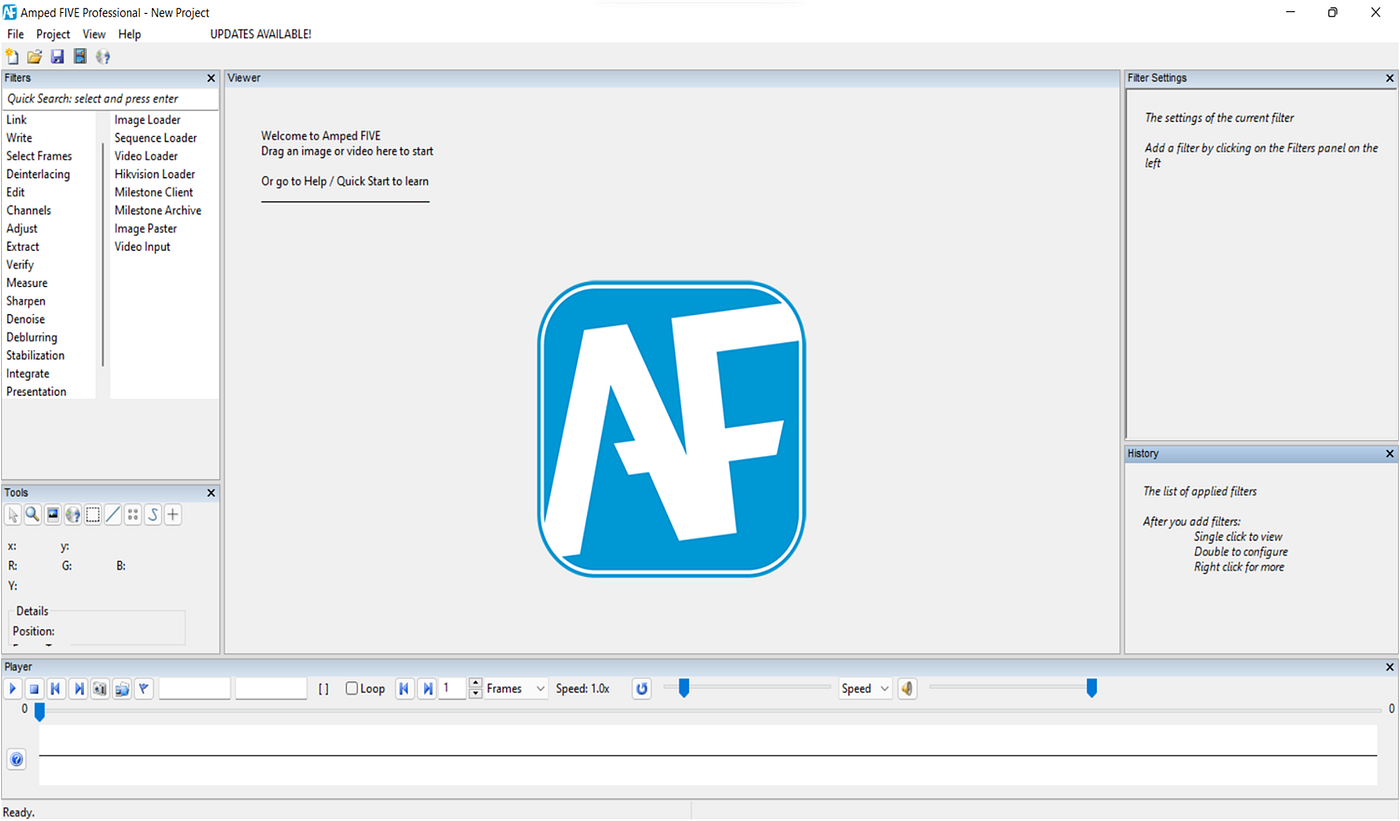
Frame and signal analysis software
Compression and codec analysis tools
Hash verification systems
AI-based deepfake detection platforms
All examinations follow strict forensic protocols to preserve data integrity and chain of custody.
Case 1: Edited CCTV Footage in a Theft Investigation
The Claim
In a commercial theft case, CCTV footage was presented showing an employee entering a restricted area at a specific time, allegedly committing theft.
Forensic Examination
Video forensic experts conducted:
Frame-by-frame analysis
Compression and encoding examination
Timestamp verification
Findings
The analysis revealed:
Missing frames at critical moments
Signs of re-encoding inconsistent with the original DVR system
A manipulated timeline created by cutting and merging footage
Outcome
The CCTV footage was declared tampered, and the allegation against the employee could not be sustained. The forensic report played a key role in preventing wrongful accusation.
Case 2: Manipulated Photograph in a Matrimonial Dispute
The Claim
A photograph was submitted as evidence showing a spouse allegedly involved in inappropriate conduct with another person.
Forensic Examination
Photo forensic experts analyzed:
Metadata (EXIF) details
Error Level Analysis (ELA)
Lighting, shadows, and pixel consistency
Findings
The examination revealed:
Editing software details embedded in metadata
Inconsistent lighting on one individual
Different compression levels indicating digital insertion
Outcome
The photograph was confirmed to be digitally manipulated. The court rejected it as reliable evidence, significantly impacting the case outcome.
Case 3: Deepfake Video Used for Cyber Blackmail
The Claim
A video circulated online appeared to show a professional making compromising statements. The victim claimed the video was fake.
Forensic Examination
Experts applied:
Facial movement and blink-rate analysis
Frame-level anomaly detection
AI artifact identification
Findings
The video showed:
Unnatural facial micro-expressions
Irregular eye-blink frequency
Distorted facial boundaries typical of AI-generated content
Outcome
The video was declared a deepfake, confirming the case as cyber blackmail. The forensic analysis helped authorities pursue the actual perpetrators.
Case 4: Authenticating Dashcam Footage in a Road Accident Case
The Claim
Dashcam footage was submitted to establish fault in a road accident involving multiple vehicles.
Forensic Examination
Experts examined:
Original file metadata
Frame continuity and sequence integrity
Audio-video synchronization
Findings
The analysis confirmed:
No missing or duplicated frames
Consistent metadata from the recording device
Natural synchronization between audio and video
Outcome
The video was authenticated as genuine and unaltered, helping accurately determine liability and settle the insurance claim.
Case 5: Workplace Misconduct Alleged Through Mobile Video
The Claim
A mobile phone video was submitted showing alleged workplace misconduct by an employee.
Forensic Examination
Video forensic analysis included:
Device-specific encoding pattern verification
Background audio consistency checks
Examination for trimming or selective recording
Findings
The video had been:
Cropped to remove context
Re-encoded using third-party software
Edited to omit preceding events
Outcome
The video was deemed contextually manipulated, and disciplinary action based solely on the video was halted.
Case 6: Social Media Image Used for Defamation
The Claim
An image circulating on social media allegedly showed a public figure at a controversial location.
Forensic Examination
Experts performed:
Reverse image source verification
Pixel and noise pattern comparison
Metadata consistency analysis
Findings
The image was originally taken years earlier at a different location and reused with misleading context.
Outcome
The image was confirmed as misrepresented, supporting defamation claims and content takedown actions.
Photo and Video Forensic Analysis at Brilliant Forensic Investigation
At Brilliant Forensic Investigation (BFI), Photo and Video Forensic Analysis is conducted using scientifically validated methods and legally accepted forensic tools. Our experts specialize in identifying tampering, editing, deepfakes, and misrepresentation in digital media.
BFI provides:
Image and video authentication
CCTV and mobile video examination
Deepfake and AI manipulation detection
Audio-video synchronization analysis
Court-admissible forensic reports and expert opinions
Our services are trusted by lawyers, law enforcement agencies, corporates, and private individuals across India.
Conclusion
In an era where digital manipulation is easy and widespread, visual evidence cannot be trusted without verification. Photo and Video Forensic Analysis ensures that truth prevails over deception by scientifically authenticating digital media.
Whether for criminal investigations, civil disputes, corporate inquiries, or cybercrime cases, professional forensic examination of photos and videos is no longer optional—it is essential.
Are you in need of Photo and Video Forensic analysis services? Contact us today
📞 Contact Us: 9990292279
🌐 Visit Our Website: https://forensicexpertinvestigation.com/
✉️ Email: ceo.bfi@gmail.com
Share Page
Facebook
Twitter
LinkedIn
WhatsApp
Email
Recent Posts
Archives
Recent Posts


Popular Tags
59 Chinese Apps Banned (1)
Automated fingerprint identification system (2)
Business due diligence (2)
Chinese Apps Ban India (1)
Computer forensics (2)
Computer vision AI (2)
Court-Admissible Evidence (2)
Crime Scene Analysis (1)
Crime Scene Documentation (2)
Crime scene investigation (3)
CrimeSceneInvestigation (2)
CriminalInvestigation (2)
CSI Forensics (1)
cybercrime investigation (2)
deepfake detection (2)
Digital evidence recovery (2)
digital forensics (4)
DNA Evidence (2)
DNA Fingerprinting (2)
DNA Profiling (3)
Expert Witness Services (2)
Forensic Data Recovery (1)
Forensic DNA Analysis (2)
Forensic Document Examination (2)
Forensic evidence analysis (3)
Forensic Examination (2)
Forensic fingerprint analysis (2)
forensic handwriting analysis (2)
Forensic investigation (2)
Forensic Photography (3)
forensic science (4)
ForensicScience (4)
Forensic Video Examination (2)
Forgery Detection (2)
handwriting analysis (5)
MicroscopicEvidence (2)
Network forensics (2)
Photo Forensic Analysis (2)
Questioned Document Examination (2)
Risk assessment services (2)
signature verification (4)
TikTok Ban India (1)
UC Browser Ban (1)
video forensics (2)
WeChat Ban (1)