Send Email
Visit Our Office
Confidentiality Guaranteed
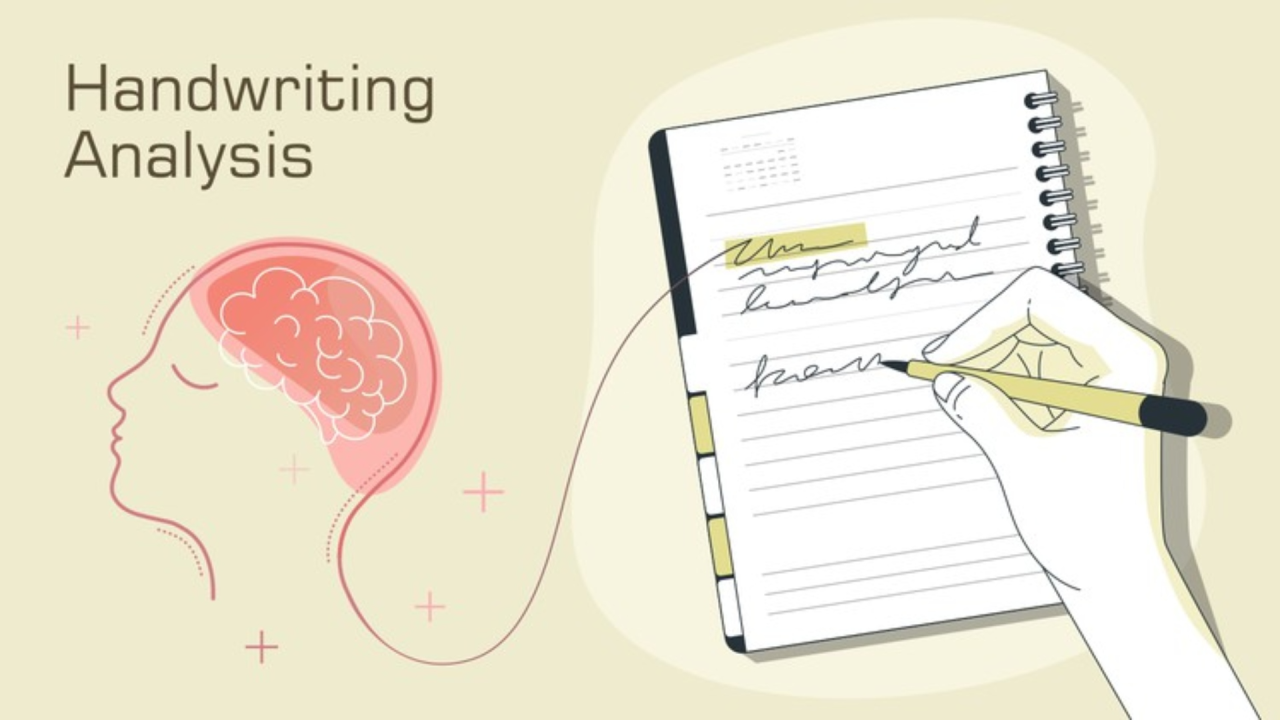
Handwriting is more than ink on paper—it’s a reflection of the mind. The study of graphology explores how a person’s handwriting reveals their thoughts, emotions, behavior patterns, and unique psychological traits. By examining handwriting samples, graphologists uncover the deeper expression of personality hidden between lines, curves, pressure, and strokes.
Although often debated within the scientific community, graphology continues to be widely used in areas like personnel selection, behavioral assessments, mental health understanding, and even criminal investigations.
This blog provides an in-depth look into the world of graphology—its concepts, methods, and applications.
Graphology is the study and interpretation of handwriting to understand a writer’s psychological state, personality traits, and behavioral tendencies. According to graphologists, each person’s handwriting is unique—shaped not just by muscle memory but deeply influenced by the brain’s neurological activity.
Because handwriting is a motor expression of the mind, changes in emotions, mood, confidence, or stress levels can subtly alter a person’s writing style. This makes analyzing handwriting a fascinating tool for psychological insight.
Handwriting is considered brain writing. Every stroke, angle, and loop is influenced by:
Thought processes
Emotional responses
Personality traits
Cognitive patterns
Social conditioning
A graphologist studies these subtle cues to interpret the writer’s characteristics. This is why two people can never have identical handwriting—not even twins.
The study of graphology is often used to assess:
✔ Confidence levels
✔ Emotional stability
✔ Leadership traits
✔ Decision-making tendencies
✔ Communication style
✔ Stress indicators
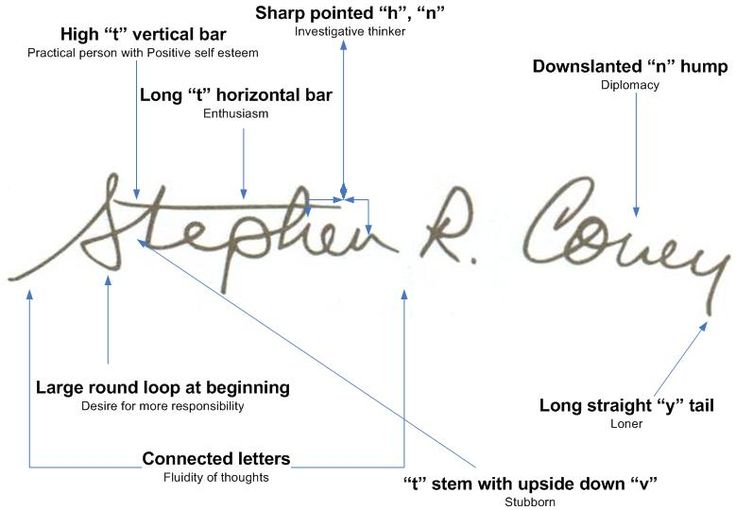
A graphological analysis goes far beyond looking at neatness or sloppiness. Experts examine various structural and functional elements of handwriting, including:
a) Size of Letters
Large handwriting suggests confidence or extroversion, while small writing may indicate focus or introversion.
b) Slant
Right slant: emotional openness
Left slant: restraint or caution
Upright: logical thinking and balance
c) Pressure
Heavy pressure may show strong emotions or determination, whereas light pressure suggests sensitivity or exhaustion.
d) Spacing
Spacing between words reveals the writer’s comfort with closeness or independence.
e) Baseline
A straight baseline indicates discipline, while a wavy one may reveal mood swings or instability.
f) Writing Style
Cursive, print, angular, rounded—all feature unique psychological associations.
These aspects together help determine personality traits, tendencies, and psychological states.
Graphology is used globally across multiple fields for various purposes:
✔ Behavioral Analysis
Understanding how a person behaves under stress, conflict, or pressure.
✔ Relationship Compatibility
Used to identify emotional patterns and compatibility factors.
✔ Corporate Use
Applied as part of HR assessments to understand employee behavior and performance potential.
Supports questioned document examination and handwriting authenticity (though not identical to forensic document examination).
✔ Personal Development
Helps individuals gain insight into their strengths, weaknesses, and hidden potentials.
Graphology is used globally across multiple fields for various purposes:
✔ Behavioral Analysis
Understanding how a person behaves under stress, conflict, or pressure.
✔ Relationship Compatibility
Used to identify emotional patterns and compatibility factors.
✔ Corporate Use
Applied as part of HR assessments to understand employee behavior and performance potential.
✔ Legal Investigation
Supports questioned document examination and handwriting authenticity (though not identical to forensic document examination).
✔ Personal Development
Helps individuals gain insight into their strengths, weaknesses, and hidden potentials.
Many companies use graphology as an additional screening tool during hiring. By studying a job applicant’s handwriting, employers can evaluate qualities such as:
Integrity
Leadership ability
Stress-handling capacity
Communication style
Team compatibility
Work ethics
Although it should never replace standard evaluation, graphology can complement interviews, psychological tests, and resume analysis by providing deeper insight into a candidate’s personality.
While not a clinical diagnostic tool, graphology can help identify indicators related to:
Anxiety
Depression
Stress disorders
Emotional instability
Cognitive disorganization
Changes in handwriting may reflect shifts in mental health, alerting psychologists or counselors to underlying emotional challenges. It can also help track recovery or therapeutic progress.
Graphology is not universally accepted and has sparked debate within the scientific community. Critics argue that:
Interpretation can be subjective
Results depend on expert experience
Environment and writing tools affect handwriting
It should not replace validated psychological assessments
However, when practiced correctly, graphology functions as a supplementary method—not a standalone diagnostic tool.
The study of graphology bridges psychology and handwriting, offering a window into the writer’s inner world. Whether used for recruitment, mental health insights, personality assessment, or self-discovery, graphology remains a valuable tool for understanding human behavior.
While opinions may vary about its scientific reliability, the art and technique of handwriting interpretation continue to captivate professionals and enthusiasts across the globe.
If explored with an open mind and practiced responsibly, graphology can enrich our understanding of how the mind expresses itself—one stroke at a time.
Are you intrigued by the mysteries of handwriting and signature analysis? Explore our services to uncover the secrets hidden within your own writing. Contact us today to schedule a consultation and discover what your handwriting reveals about you.