
-
ceo.bfi@gmail.com
Send Email
-
2C, C-6/A Block, Janakpuri, Delhi India 110058
Visit Our Office
99902-92279
Confidentiality Guaranteed
99902-92279
Confidentiality Guaranteed
18
Dec



Dec
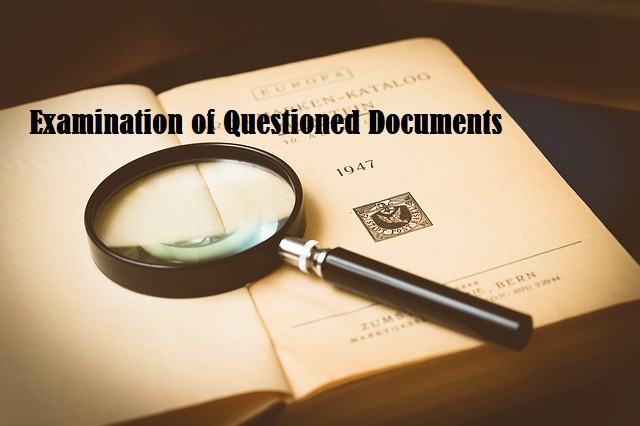
Questioned Document Examination
Questioned Document Examination: Detecting Forged Signatures and Altered Papers
Written documents continue to be one of the most trusted forms of evidence in legal, financial, and administrative systems. Property deeds, wills, agreements, cheques, contracts, affidavits, and official records are relied upon to establish rights, ownership, consent, and responsibility. However, document-related fraud—such as forged signatures, altered clauses, erased entries, and substituted pages—is increasingly common and often lies at the heart of serious disputes.
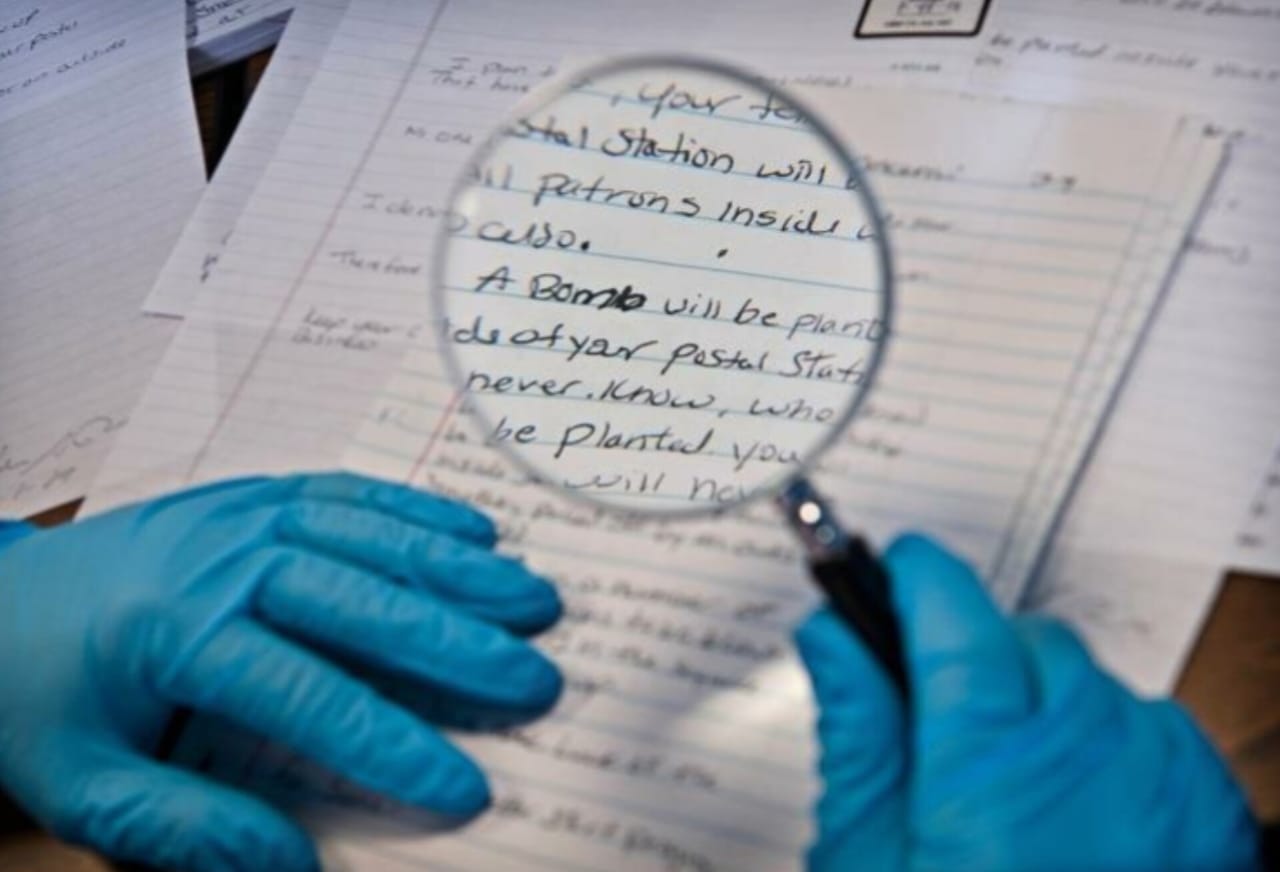
Questioned Document Examination (QDE) is a specialized discipline of forensic science dedicated to determining the authenticity of documents whose genuineness is in doubt. Through systematic examination of handwriting, signatures, ink, paper, and printing characteristics, forensic experts can detect forgery, alteration, and fabrication. This article provides an in-depth explanation of questioned document examination, how experts detect forged signatures and altered papers, and why this examination is critical in legal cases.
What Is Questioned Document Examination?
Questioned Document Examination is the scientific analysis of documents to resolve doubts regarding their authenticity, origin, or authorship. A document becomes “questioned” when there is a dispute about:
Whether a signature is genuine or forged
Whether handwriting belongs to a particular individual
Whether text, dates, or figures have been altered
Whether pages have been substituted or added
Whether different inks or papers were used
The goal of QDE is to provide objective, evidence-based conclusions that can assist courts, investigators, and decision-makers.
Signature Verification: Scientific Detection of Forged Signatures
What Is Signature Verification?
Signature verification is a core component of Questioned Document Examination that focuses on determining whether a disputed signature is genuine, forged, or simulated. Signatures are frequently relied upon in legal and financial documents such as cheques, contracts, wills, agreements, affidavits, and authorization letters. When the authenticity of a signature is challenged, forensic signature verification provides scientific clarity.
Unlike simple visual comparison, forensic signature verification is a systematic, scientific process based on established principles of handwriting behavior and neuromuscular coordination.
Why Signature Verification Is Important in Legal Matters
Forged signatures can result in:
Illegal transfer of property or assets
Financial fraud and cheque bounce disputes
Fabricated contracts or agreements
False consent or authorization claims
Courts and investigative agencies require expert forensic opinions to assess whether a signature can be relied upon as valid evidence. Signature verification often becomes decisive in civil, criminal, banking, and corporate cases.
Nature of Genuine Signatures
A genuine signature is not an exact replica each time it is written. Instead, it shows:
Natural variation between samples
Smooth and fluent strokes
Consistent rhythm and speed
Habitual pen pressure patterns
These characteristics develop over time and are difficult to consciously control or reproduce by another person.
Common Types of Signature Forgery
Forensic experts commonly encounter the following forgery methods:
Freehand Imitation
The forger attempts to copy the appearance of a genuine signature by observation. Such signatures often lack natural fluency and show hesitation.
Tracing
The forger traces an original signature directly or indirectly. Traced signatures usually show tremors, uniform line width, and unnatural pen movement.
Mechanical or Digital Reproduction
Signatures may be scanned, printed, or photocopied. These often lack pen pressure variation and may show printing or copying artifacts.
Each method leaves characteristic forensic indicators that trained experts can identify.
How Forensic Experts Verify Signatures
Signature verification is carried out by comparing the questioned signature with admitted or specimen signatures known to be genuine. The examination focuses on multiple levels of analysis rather than overall appearance alone.
Key Characteristics Examined Include:
Line Quality
Smooth, continuous lines indicate natural writing, while shaky or broken lines suggest forgery.
Pen Pressure
Genuine signatures show natural variation in pressure; forged signatures often appear uniformly heavy or light.
Stroke Direction and Sequence
Experts analyze how strokes begin, progress, and terminate—features that are difficult to replicate accurately.
Speed and Rhythm
Genuine signatures are written swiftly and rhythmically; forgeries are often slow and deliberate.
Beginning and Ending Strokes
Initial and terminal strokes often reveal hesitation, patching, or unnatural starts and stops in forged signatures.
Proportions and Spacing
Relative size, spacing, and alignment of signature components are examined for consistency.
Handwriting Comparison: Identifying the True Writer
What Is Handwriting Comparison?
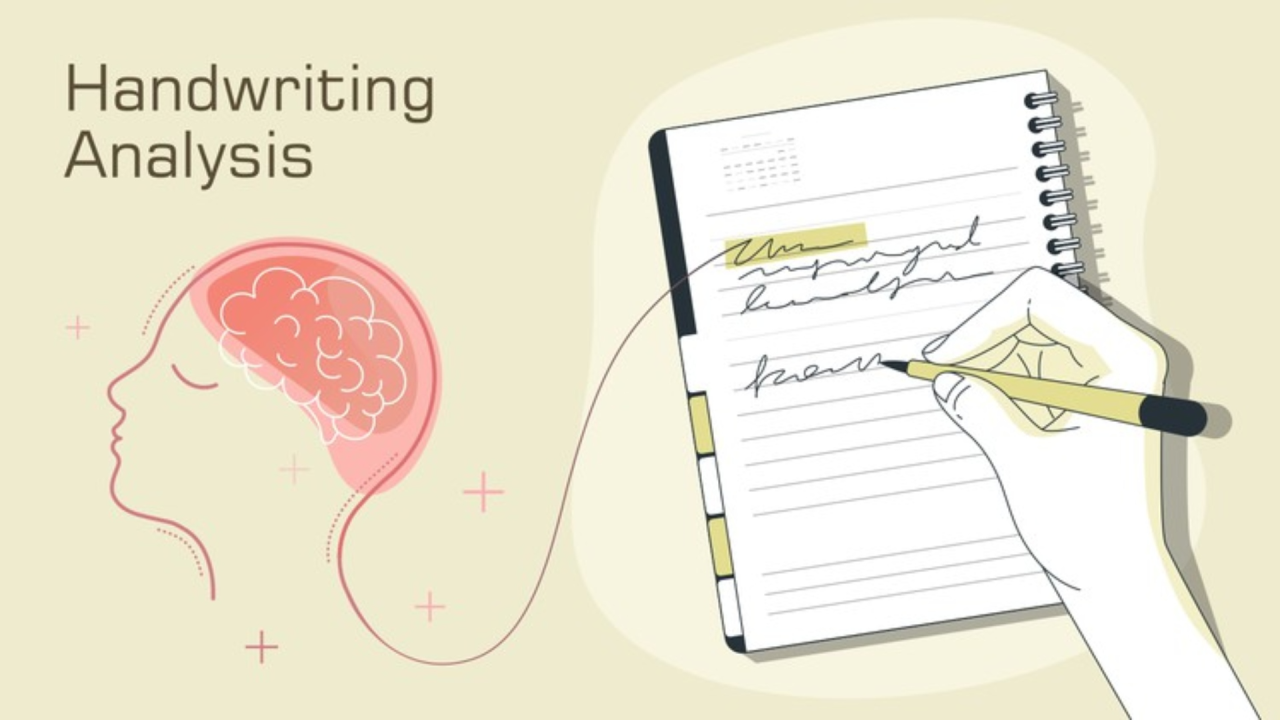
Handwriting comparison is the forensic process of determining whether a particular piece of handwriting was written by a specific individual. It is commonly applied in disputes involving wills, agreements, property documents, anonymous letters, threats, confessions, and financial records.
This process is based on scientific principles rather than visual similarity alone.
Scientific Basis of Handwriting Comparison
Handwriting is a learned motor skill developed over time through neuromuscular coordination. While a person may consciously attempt to change or disguise handwriting, certain subconscious habits remain consistent.
Two foundational principles guide handwriting examination:
No two individuals have identical handwriting
No individual writes exactly the same way every time
Forensic experts are trained to distinguish natural variation from signs of disguise or forgery.
How Experts Perform Handwriting Comparison
Forensic document examiners compare questioned handwriting with admitted or specimen handwriting samples known to be genuine. The analysis is multi-layered and systematic.
Key Features Examined Include:
Letter formation and structure
Connecting strokes and pen movement
Writing slant and alignment
Spacing between letters and words
Size, proportion, and relative dimensions
Speed, rhythm, and fluency
Pen lifts and stroke sequence
The expert evaluates whether similarities and differences are consistent with natural variation or indicate different authorship.
Document Authenticity Testing: Detecting Alterations and Tampering
What Is Document Authenticity Testing?
Document authenticity testing focuses on determining whether a document has been altered, manipulated, or fabricated, even if the handwriting or signature appears genuine. It involves examining the physical and chemical properties of the document.
Why Document Authenticity Testing Matters
Altered documents can:
Change dates, amounts, or clauses
Add or remove pages
Modify terms without consent
Misrepresent facts in legal proceedings
Courts require assurance that a document is not only signed by the right person but also unchanged since its creation.
How Experts Test Document Authenticity
Forensic experts use specialized tools and techniques to examine the document beyond what is visible to the naked eye.
Ink Examination
Experts analyze:
Whether multiple inks were used
Whether entries were made at different times
Signs of overwriting or disguised alterations
Paper Examination
Paper analysis may reveal:
Substituted or replaced pages
Differences in paper type, thickness, or quality
Inconsistencies in multi-page documents
Detection of Erasures and Additions
Experts detect:
Mechanical erasures (rubbing or scraping)
Chemical erasures (ink removal)
Added or deleted text, figures, or dates
Special lighting and imaging techniques help reveal these hidden alterations.
Tools Used in Document Authenticity Testing
Professional document examiners rely on court-accepted forensic instruments, including:
Video Spectral Comparator (VSC) systems
Ultraviolet and infrared lighting
Stereo and comparison microscopes
High-resolution imaging and measurement tools
All examinations are conducted following strict forensic protocols to preserve chain of custody and evidentiary integrity.
How Brilliant Forensic Investigation Handles Questioned Document Examination Cases
At Brilliant Forensic Investigation (BFI), questioned document examination cases are handled through a scientifically rigorous, legally compliant, and methodical process. The objective is to provide clear, unbiased, and court-admissible forensic opinions on disputed signatures, handwriting, and document authenticity.
1. Case Intake and Preliminary Assessment
Every case begins with a structured evaluation. BFI’s forensic experts:
Understand the nature of the dispute and legal context
Identify the specific questions to be answered (e.g., signature genuineness, handwriting authorship, document alteration)
Assess the quality and type of documents submitted (originals, photocopies, digital scans)
This step ensures that the scope of examination is clearly defined and aligned with legal requirements.
2. Collection and Verification of Comparison Standards
For reliable forensic conclusions, BFI emphasizes the importance of proper comparison material. Experts:
Examine admitted signatures or handwriting samples known to be genuine
Evaluate specimen samples collected under controlled conditions, where required
Verify the relevance, time period, and consistency of comparison documents
Adequate and appropriate standards are essential for accurate forensic analysis.
3. Signature Verification and Handwriting Examination
BFI conducts detailed signature verification and handwriting comparison using established forensic principles.
Signature Verification Includes:
Analysis of line quality and pen control
Examination of pen pressure and stroke sequence
Evaluation of speed, rhythm, and fluency
Assessment of natural variation versus signs of forgery
Handwriting Comparison Includes:
Structural analysis of letter formations
Examination of connecting strokes and writing habits
Evaluation of alignment, spacing, and proportions
Identification of disguised or simulated writing
All findings are documented objectively, without bias.
4. Document Authenticity and Alteration Testing
BFI extends examination beyond handwriting and signatures to the physical integrity of documents.
This includes:
Ink examination to identify multiple inks or later additions
Paper examination to detect page substitution or inconsistencies
Detection of erasures, overwriting, and altered entries
Examination under specialized lighting to reveal invisible changes
These tests help determine whether a document has been modified after execution.
5. Use of Court-Accepted Forensic Tools and Protocols
BFI uses scientifically validated and court-recognized forensic instruments, such as:
Comparison and stereo microscopes
Video Spectral Comparator (VSC) systems
Ultraviolet, infrared, and oblique lighting
High-resolution imaging and measurement tools
All examinations follow strict protocols to preserve chain of custody, transparency, and evidentiary integrity.
6. Preparation of Clear, Court-Admissible Forensic Reports
After completing the examination, BFI prepares a detailed forensic report that:
Explains the methodology used
Documents observations and findings
Provides a clear expert opinion supported by scientific reasoning
Is written in a manner understandable to judges and legal professionals
Reports are structured to meet judicial expectations and withstand cross-examination.
7. Expert Assistance and Legal Support
Where required, BFI experts:
Assist lawyers in understanding forensic findings
Provide expert opinions for court proceedings
Clarify technical aspects during legal review
This ensures that forensic conclusions are effectively presented and interpreted in legal forums.
8. Confidentiality, Objectivity, and Ethical Standards
BFI maintains:
Strict confidentiality of client information
Impartial and unbiased forensic examination
Ethical compliance with forensic science standards
Each case is handled independently, ensuring credibility and trustworthiness.
Conclusion
Forged signatures and altered papers can undermine legal rights, financial security, and trust in documentation. Questioned Document Examination provides scientific certainty in situations where documents are disputed.
By applying forensic principles, advanced tools, and expert interpretation, questioned document examiners help ensure that justice is guided by facts rather than deception. In an era of increasing document fraud, professional document examination is not optional—it is essential.
Signature verification is a critical forensic process that safeguards the integrity of legal and financial documents. By analyzing the subtle and subconscious features of writing, forensic experts can distinguish genuine signatures from forged ones with a high degree of reliability.
In an era of increasing document fraud, professional signature verification ensures that legal decisions are grounded in scientific evidence rather than assumption or visual guesswork.
Handwriting comparison and document authenticity testing provide scientific certainty in cases where documents are disputed. By analyzing subconscious writing habits and the physical properties of documents, forensic experts can uncover forgery, alteration, and misrepresentation.
In legal disputes, where documents often determine rights and liabilities, these forensic examinations ensure that justice is guided by facts, not appearances.
Cross-Examination Questions for Questioned Document Examiner
1. On Nature of Expert Opinion
Q. Your opinion is an expert interpretation, not a statement of absolute fact, correct?
Q. Questioned document examination is not an exact science, is it?
2. On Methodology & Reliability
Q. There is no single, universally accepted formula for document examination, correct?
Q. Two qualified document examiners can arrive at different opinions on the same document, can they not?
3. On Evidence & Comparison Material
Q. Your conclusion depends on the quality and adequacy of the comparison material provided to you, correct?
Q. If the comparison samples are limited or disputed, the reliability of the opinion reduces, does it not?
4. On Limitations & Variations
Q. Handwriting, signatures, and document characteristics can vary due to age, health, stress, or writing conditions, correct?
Q. You cannot rule out natural variation or external influence with complete certainty, can you?
5. On Legal Weight of Opinion
Q. You agree that your opinion is advisory in nature and the court is not bound to accept it?
Q. Your report must be considered along with other evidence, not in isolation, correct?
Need a Complete Cross-Examination?
We provide:
✔ Case-specific cross-examination questions
✔ Indian Evidence Act–based legal framing
✔ Strategy for civil and criminal matters
✔ Expert-focused credibility analysis
Contact us to engage professional cross-examination drafting services.
Are you in need of Questioned Document services? Contact us today
📞 Contact Us: 9990292279
🌐 Visit Our Website: https://forensicexpertinvestigation.com/
✉️ Email: ceo.bfi@gmail.com
Share Page
Facebook
Twitter
LinkedIn
WhatsApp
Email


Recent Posts
Archives
Categories
Recent Posts


Popular Tags
59 Chinese Apps Banned (1)
Automated fingerprint identification system (2)
Business due diligence (2)
Chinese Apps Ban India (1)
Computer forensics (2)
Computer vision AI (2)
Court-Admissible Evidence (2)
Crime Scene Analysis (1)
Crime Scene Documentation (2)
Crime scene investigation (3)
CrimeSceneInvestigation (2)
CriminalInvestigation (2)
CSI Forensics (1)
cybercrime investigation (2)
deepfake detection (2)
Digital evidence recovery (2)
digital forensics (4)
DNA Evidence (2)
DNA Fingerprinting (2)
DNA Profiling (3)
Expert Witness Services (2)
Forensic Data Recovery (1)
Forensic DNA Analysis (2)
Forensic Document Examination (2)
Forensic evidence analysis (3)
Forensic Examination (2)
Forensic fingerprint analysis (2)
forensic handwriting analysis (2)
Forensic investigation (2)
Forensic Photography (3)
forensic science (4)
ForensicScience (4)
Forensic Video Examination (2)
Forgery Detection (2)
handwriting analysis (5)
MicroscopicEvidence (2)
Network forensics (2)
Photo Forensic Analysis (2)
Questioned Document Examination (2)
Risk assessment services (2)
signature verification (4)
TikTok Ban India (1)
UC Browser Ban (1)
video forensics (2)
WeChat Ban (1)