
-
ceo.bfi@gmail.com
Send Email
-
2C, C-6/A Block, Janakpuri, Delhi India 110058
Visit Our Office
99902-92279
Confidentiality Guaranteed
99902-92279
Confidentiality Guaranteed
22
Dec



Dec
Forensic Myths vs Facts: Debunking Popular Misconceptions
Forensic Myths vs Facts: Debunking Popular Misconceptions
When TV Drama Meets Forensic Reality
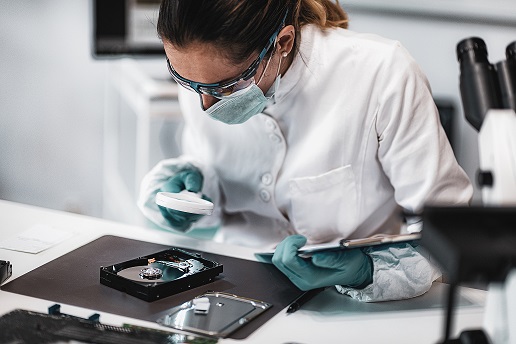
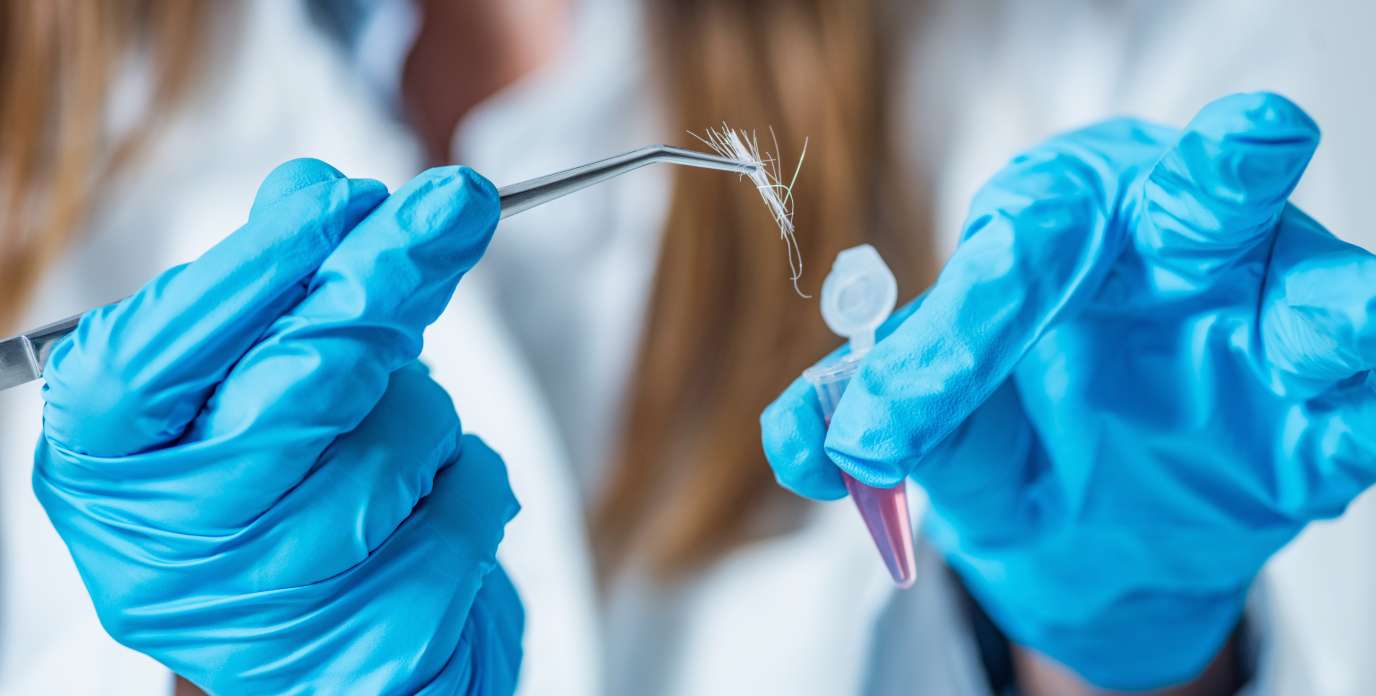
Forensic science has captured public imagination largely because of popular crime television shows and streaming series. These shows portray forensic investigations as fast, flawless, and almost magical. A single hair strand solves a murder, DNA results appear instantly, and forensic experts crack cases within an hour-long episode.
While entertaining, these portrayals have created widespread misconceptions—often referred to as the “CSI Effect.”
But the real world of forensic science is very different. forensic science is a disciplined, methodical, and legally sensitive field that prioritizes accuracy over drama.
This fun yet educational blog separates forensic myths from forensic facts, helping readers understand what forensic science really is—and what it is not.
The Rise of the “TV Forensics Effect”
Television has shaped public expectations of forensic science so strongly that legal professionals often refer to it as the CSI Effect. This phenomenon leads people to believe that:
Every crime has scientific evidence
Forensic labs deliver instant, perfect results
Science alone can solve any case
While forensic science is a powerful tool, it is not magic. It is a disciplined scientific process governed by law, ethics, and limitations.
Myth vs Fact: What TV Gets Wrong About Forensics
1. Forensic Science Solves Crimes Instantly
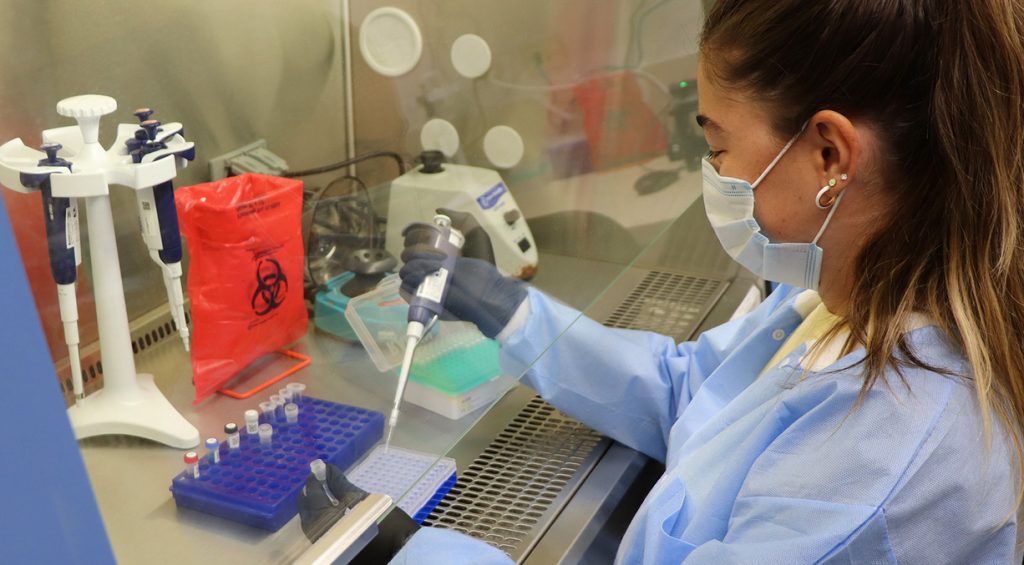
One of the most common misconceptions about forensic science is that crimes can be solved within hours using advanced scientific tools. This belief is largely shaped by television shows and movies, where complex investigations are wrapped up quickly for dramatic effect. In reality, forensic investigations are time-consuming and require careful planning, evidence collection, laboratory analysis, cross-verification, and documentation. Some tests, such as DNA analysis or digital forensic examinations, may take weeks or even months. Accuracy and reliability always take precedence over speed.
2. Forensic Evidence Is Always Infallible
Forensic evidence is often perceived as unquestionable and conclusive. However, forensic evidence is not immune to limitations. Errors can occur during evidence collection, storage, transportation, or analysis. Contamination, degradation due to environmental exposure, improper handling, or subjective interpretation can affect results. Forensic science relies on human expertise, and like any scientific process, it requires strict protocols and peer review to minimize errors.
3. Forensic Scientists Live Glamorous Lives
Media portrayals often depict forensic scientists as glamorous professionals who effortlessly solve crimes with cutting-edge technology. In reality, forensic work is meticulous, repetitive, and mentally demanding. It involves long hours in laboratories or at crime scenes, extensive documentation, and detailed report writing. Forensic scientists are disciplined professionals who rely on scientific reasoning rather than dramatic intuition.
4. All Forensic Evidence Is Admissible in Court
A widespread misconception is that any forensic evidence automatically holds legal value in court. In practice, courts carefully evaluate forensic evidence before accepting it. Admissibility depends on factors such as proper chain of custody, scientific validity of methods used, compliance with legal standards, and the qualifications of the forensic expert. Evidence that fails to meet these criteria may be rejected, regardless of its apparent significance.
5. All Forensic Scientists Work in Government Agencies
Many people believe forensic professionals are employed exclusively by government departments or police agencies. While government forensic laboratories do employ a portion of forensic experts, a large number work in private laboratories, corporate investigation firms, academic institutions, hospitals, insurance companies, and independent forensic consultancies. The private sector plays a significant and growing role in forensic services.
6. Forensic Science Is Only About Solving Crimes
Forensic science is commonly associated only with criminal investigations. However, its applications extend far beyond crime-solving. Forensic science is also used in civil litigation, identification of human remains, determination of cause and manner of death, document verification, insurance fraud investigations, cybercrime analysis, and corporate disputes. Its scope is much broader than criminal law alone.
7. Forensic Results Are Always 100% Accurate
Another misconception is that forensic findings are always definitive and error-free. In reality, many forensic conclusions are probabilistic rather than absolute. Results often depend on the quality of evidence, available reference samples, and analytical limitations. Forensic experts present their findings based on scientific interpretation, which is why corroborative evidence is essential for reaching reliable conclusions.
8. Forensic Scientists Work Alone
Popular culture often portrays forensic scientists as individuals working in isolation. In reality, forensic investigations are collaborative efforts. Forensic scientists work closely with crime scene investigators, law enforcement officers, medical examiners, prosecutors, defense attorneys, and other experts. Teamwork and interdisciplinary coordination are critical to successful investigations.
9. All Forensic Experts Must Hold Degrees
While many forensic professionals possess undergraduate or postgraduate degrees in forensic science or related fields, a degree is not the only pathway into the profession. Some roles can be accessed through specialized diplomas, certifications, or technical training programs. Practical skills, experience, and continuous professional development are equally important in forensic careers.
10. Forensic Scientists Only Work in Laboratories
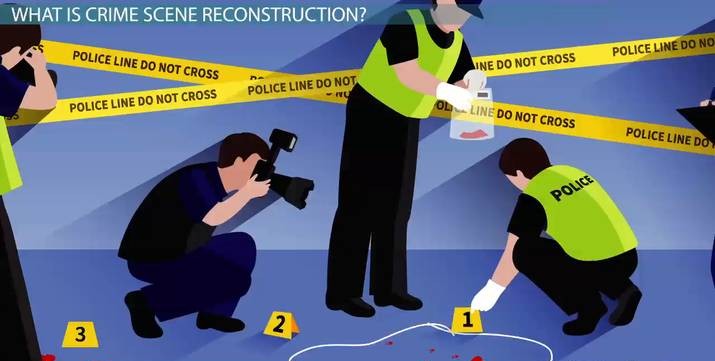
It is commonly assumed that forensic scientists spend all their time in laboratories. In reality, their responsibilities extend beyond lab work. They may visit crime scenes for evidence collection, work in offices reviewing case files and writing reports, testify in court, or conduct post-mortem examinations in hospitals or morgues. The profession involves both fieldwork and analytical work.
11. Forensic Scientists Do Not Interact With People
Some believe forensic scientists work only with evidence and rarely interact with others. In fact, forensic professionals regularly communicate with investigators, legal professionals, fellow scientists, and judicial authorities. Courtroom testimony and cross-examinations require strong communication skills, clarity, and the ability to explain complex scientific findings in simple terms.
12. A Single Piece of Evidence Is Enough
Movies often suggest that one piece of evidence is sufficient to solve a case. In real forensic investigations, conclusions are rarely based on a single item of evidence. Multiple pieces of corroborative evidence are examined to ensure accuracy and avoid wrongful conclusions. Environmental factors such as weather, time, and exposure can also alter evidence, making comprehensive analysis essential.
13. Forensic Experts Always Work in Safe, Sterile Environments
While laboratories are controlled environments, forensic professionals frequently work in challenging and potentially hazardous conditions. Crime scenes may involve exposure to biological hazards, infectious materials, chemicals, decomposed remains, or unsafe environments. Strict safety protocols and protective equipment are essential parts of forensic work.
14. Forensic Scientists Always Solve Every Case
A common misconception is that forensic science can solve every case. Despite advanced technology and expertise, not all cases reach definitive conclusions. Some investigations remain unresolved due to insufficient evidence, degraded samples, or lack of corroborative data. This reality highlights the limitations of forensic science and the importance of managing expectations.
The True Role of Forensic Science in Justice
Forensic science plays a foundational role in the justice system, far beyond the dramatic portrayals seen on television. Its primary purpose is not to secure convictions or produce sensational breakthroughs, but to establish facts objectively through scientific methods that can withstand legal scrutiny.
At its core, forensic science acts as a neutral bridge between science and law. Forensic experts do not advocate for the prosecution or the defense; instead, they analyze evidence impartially and present findings in a manner that assists courts in understanding complex scientific issues. This neutrality is essential for ensuring fairness and upholding the principles of natural justice.
Key Functions of Forensic Science in the Justice System
1. Objective Evidence Analysis
Forensic science transforms physical, digital, and biological traces into scientifically interpretable information. Whether it involves DNA profiling, handwriting examination, fingerprint comparison, or digital data recovery, forensic analysis helps convert raw evidence into meaningful facts.
2. Supporting Investigations Without Bias
Forensic experts support investigators by validating or challenging investigative theories. Importantly, forensic findings may confirm a suspect’s involvement—or exonerate an innocent individual. This dual role makes forensic science a powerful safeguard against wrongful accusations.
3. Strengthening Judicial Decision-Making
Courts often rely on forensic evidence to clarify technical matters that fall outside common knowledge. Well-documented forensic reports and expert testimony enable judges to make informed decisions based on science rather than speculation.
4. Preventing Miscarriages of Justice
History has shown that flawed investigations and unreliable confessions can lead to wrongful convictions. Forensic science, when applied correctly, acts as a corrective mechanism by introducing objective, verifiable evidence into the legal process.
5. Ensuring Accountability and Transparency
Forensic procedures follow strict protocols, quality standards, and documentation requirements. These safeguards ensure that evidence handling and analysis remain transparent, reproducible, and defensible in court.
In essence, forensic science is not about speed or spectacle—it is about accuracy, integrity, and fairness.
Why Debunking Forensic Myths Matters
Misconceptions about forensic science are not harmless. When society internalizes myths created by television and popular media, these misunderstandings can have real and serious consequences within the justice system.
Debunking forensic myths is therefore not merely educational—it is essential for protecting legal integrity.
Why Debunking Forensic Myths Matters
1. Unrealistic Public and Legal Expectations
When people believe forensic results are instant and flawless, they may distrust legitimate delays or nuanced conclusions. This can lead to unfair criticism of investigators, laboratories, and courts.
2. Pressure on Forensic Experts
Myths create expectations for quick, definitive answers. In reality, forensic experts require time for proper testing, verification, and reporting. Pressure to rush analyses increases the risk of error and compromises scientific standards.
3. Misinterpretation of Evidence by Courts and Juries
Jurors influenced by television may expect forensic evidence in every case or view scientific findings as absolute proof. This can distort how evidence is weighed, potentially leading to unjust outcomes.
4. Undermining the Value of Professional Judgment
Media portrayals often suggest machines “solve” crimes. This diminishes public appreciation for the expertise, training, and ethical responsibility of forensic professionals, whose interpretations are critical to accurate conclusions.
5. Risk of Wrongful Convictions or Acquittals
When myths overshadow reality, evidence may be overvalued, undervalued, or misunderstood. This imbalance can contribute to wrongful convictions—or allow guilty parties to escape accountability.
Conclusion: Science Is More Powerful Than Fiction
Television has taught us to expect forensic science to be fast, flawless, and dramatic. Crimes are solved in under an hour, evidence never fails, and technology delivers instant answers. While these portrayals are entertaining, they ultimately misrepresent the true strength of forensic science.
In reality, science is more powerful than fiction precisely because it is careful, methodical, and accountable.
Forensic science does not rely on dramatic revelations or instant conclusions. Its power lies in disciplined processes—proper evidence collection, strict chain of custody, validated laboratory methods, peer review, and clear documentation. Each step is designed to minimize error and ensure that conclusions are scientifically sound and legally defensible.
Unlike fictional investigations, real forensic science:
Accepts uncertainty rather than hiding it
Acknowledges limitations instead of exaggerating capabilities
Prioritizes accuracy over speed
Values ethical responsibility over sensational outcomes
This commitment to scientific rigor is what makes forensic evidence reliable in courts of law. It protects innocent individuals from wrongful conviction and ensures that findings can withstand cross-examination, legal challenges, and appellate review.
Most importantly, forensic science serves justice, not entertainment. It does not exist to tell a compelling story, but to uncover objective truth. Even when results are inconclusive or contradict popular assumptions, those outcomes are valuable because they reflect honesty and integrity—qualities fiction often overlooks.
By understanding that science is more powerful than fiction, society develops realistic expectations of forensic investigations. This awareness fosters trust in experts, patience with investigative timelines, and respect for the judicial process.
In the end, while fiction may captivate audiences, science safeguards justice. Its true power lies not in spectacle, but in its unwavering commitment to truth, fairness, and the rule of law.
By Manvika Verma | Forensic Expert | Brilliant Forensic Investigation
Are you in need of forensic services? Contact us today
📞 Contact Us: 9990292279
🌐 Visit Our Website: https://forensicexpertinvestigation.com/
✉️ Email: ceo.bfi@gmail.com
Share Page
Facebook
Twitter
LinkedIn
WhatsApp
Email


Recent Posts
Archives
Recent Posts


Popular Tags
59 Chinese Apps Banned (1)
Automated fingerprint identification system (2)
Business due diligence (2)
Chinese Apps Ban India (1)
Computer forensics (2)
Computer vision AI (2)
Court-Admissible Evidence (2)
Crime Scene Analysis (1)
Crime Scene Documentation (2)
Crime scene investigation (3)
CrimeSceneInvestigation (2)
CriminalInvestigation (2)
CSI Forensics (1)
cybercrime investigation (2)
deepfake detection (2)
Digital evidence recovery (2)
digital forensics (4)
DNA Evidence (2)
DNA Fingerprinting (2)
DNA Profiling (3)
Expert Witness Services (2)
Forensic Data Recovery (1)
Forensic DNA Analysis (2)
Forensic Document Examination (2)
Forensic evidence analysis (3)
Forensic Examination (2)
Forensic fingerprint analysis (2)
forensic handwriting analysis (2)
Forensic investigation (2)
Forensic Photography (3)
forensic science (4)
ForensicScience (4)
Forensic Video Examination (2)
Forgery Detection (2)
handwriting analysis (5)
MicroscopicEvidence (2)
Network forensics (2)
Photo Forensic Analysis (2)
Questioned Document Examination (2)
Risk assessment services (2)
signature verification (4)
TikTok Ban India (1)
UC Browser Ban (1)
video forensics (2)
WeChat Ban (1)