
Send Email
Visit Our Office
Confidentiality Guaranteed
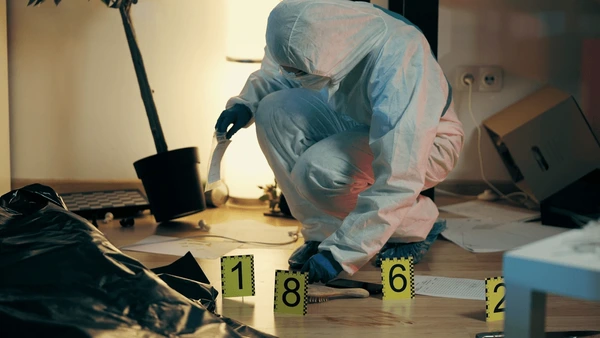
In the realm of forensic science, trace evidence encompasses minute, often microscopic substances that are transferred during the perpetration of a crime. The essential principle underlying trace evidence is Locard’s Exchange Principle, which posits that every interaction leaves a trace. Although fingerprints, DNA, and blood samples are widely recognized as forms of forensic evidence, numerous crimes have been resolved through the examination of more unconventional traces—substances so minute that their importance was only acknowledged via meticulous scientific evaluation. These atypical forms of trace evidence have played pivotal roles not only in identifying suspects but also in reconstructing crime scenes, timelines, and movements of victims with extraordinary accuracy.
This essay examines various types of uncommon trace evidence and real-life cases in which they proved indispensable, including pollen, soil, glitter, insects, plant materials, animal hair, algae, and industrial particulates. Collectively, these instances illustrate how even the most minute details can provide substantial insights in criminal investigations.
Nature of the Evidence
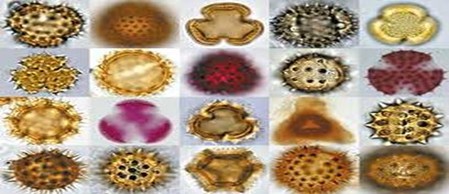
Pollen grains are minute, distinctly varied, and remarkably durable. Various plant species generate pollen that possesses specific shapes, dimensions, and surface textures, all of which can be recognized through microscopic examination. Due to the pervasive nature of pollen and its ability to cling readily to apparel, hair, and vehicles, it can serve as a geographic “signature” indicating the locations that a person or object has visited.
Case Example: Linking a Body to a Crime Scene
In numerous homicide investigations, the analysis of pollen has proven useful in establishing whether a body was relocated post-mortem. A prominent case in Europe exemplifies this; pollen grains detected on a murder victim’s garments did not correspond with the flora in the vicinity of the body’s discovery. Rather, the pollen corresponded to a rare plant species that is exclusively found in a particular rural region situated miles away. This enabled investigators to pinpoint the initial crime scene, where additional evidence later connected the suspect to the crime.
Why It Is Unusual
In contrast to DNA or fingerprints, pollen is not distinctive to a single individual but rather specific to a particular location and time of year. Its value in forensics stems from its environmental specificity, which renders it especially advantageous when individuals claim they were not present in specific areas.
Nature of the Evidence
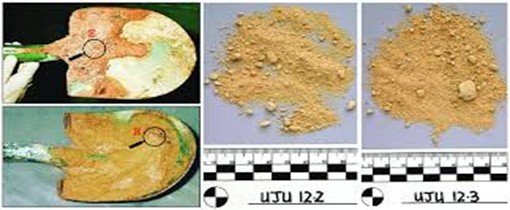
Soil constitutes a multifaceted combination of minerals, organic materials, microorganisms, and anthropogenic particles. No two sites possess the same soil composition. Forensic geologists evaluate soil through its color, texture, mineral composition, and chemical characteristics.
Case Example: Soil on a Shovel
In a homicide investigation concerning a shallow grave, the soil collected from a suspect’s shovel and footwear was analyzed in comparison to the soil from the burial site. Microscopic examination identified a distinctive mixture of clay minerals and industrial ash that was exclusively located near the grave. Although the suspect maintained that they had never visited the site, the soil evidence undermined this claim and played a significant role in securing a conviction.
Why It Is Unusual
Soil is frequently regarded as mere “dirt,” but its intricate forensic properties enable investigators to associate suspects with specific sites—even when the soil particles are not discernible to the naked eye.
Nature of the Evidence
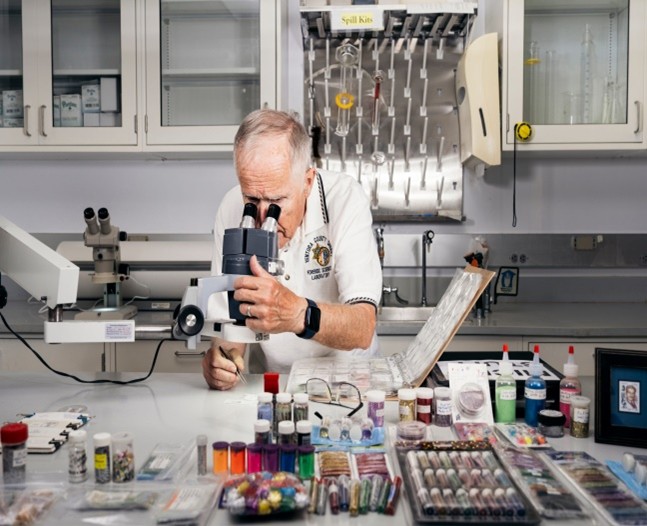
Glitter consists of minuscule particles made of plastic or coated in metal, frequently layered with distinct pigments and formed into various shapes. The production process yields an extensive array of unique combinations, which renders glitter unexpectedly traceable.
Case Example: The Atlanta Child Murders
In the course of the inquiry regarding the Atlanta child murders in the late 1970s and early 1980s, detectives discovered distinctive carpet fibers and glitter-like green particles on various victims. These particles were subsequently found to correspond to carpeting and materials located in the residence and vehicle of the suspect, Wayne Williams. Although this trace evidence was not the only contributory factor, it significantly assisted in associating Williams with several victims.
Why It Is Unusual
Although glitter may appear insignificant and ornamental, its elevated transferability and precise manufacturing characteristics render it a potent form of trace evidence, particularly in scenarios that involve physical interaction.
Nature of the Evidence
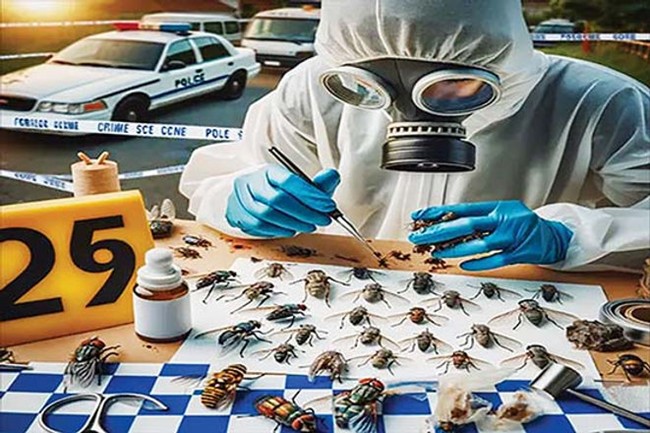
Insects located on or in proximity to a body can yield crucial insights regarding the time of death, the site of discovery, and any potential relocation of the corpse. Evidence in the form of larvae, eggs, and even remnants of insects can serve as significant trace evidence.
Case Example: Body Relocation Revealed by Maggots
In a particular homicide investigation, a corpse uncovered inside exhibited insect species that are commonly associated with natural outdoor settings. This incongruity suggested that the victim had been murdered in an outdoor location and subsequently transported. This finding directed investigators to a secluded forested region, where they identified the initial crime scene along with further evidence.
Why It Is Unusual
Insects serve as living trace evidence, shaped by factors such as temperature, environmental conditions, and the passage of time. Their existence can discreetly refute inaccurate accounts regarding the location and timing of a crime.
Nature of the Evidence
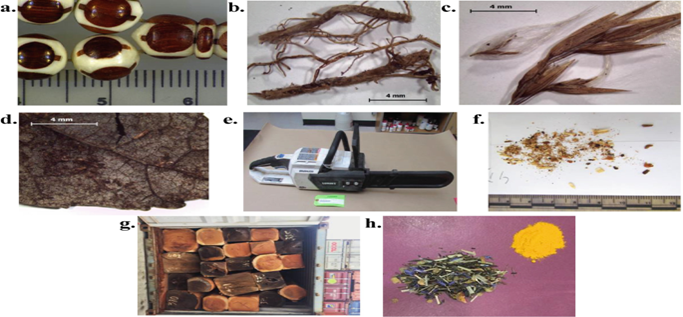
Leaves, seeds, wood splinters, and plant hairs (trichomes) are examples of plant debris that can stick to clothes or cars. These materials may be seasonal and species-specific.
Case Example: Seeds in a Shoe
Investigators discovered uncommon seed pods trapped in a suspect’s shoe treads in an abduction case. The seeds were determined by a botanist to originate from a plant species that is unique to a certain marshy region. Investigators found evidence connecting the suspect to the victim’s last known location when they examined that region.
Why It Is Unusual
Plant evidence can prove environmental contact in the absence of other evidence, but it frequently takes specialized understanding to analyze.
Nature of the Evidence
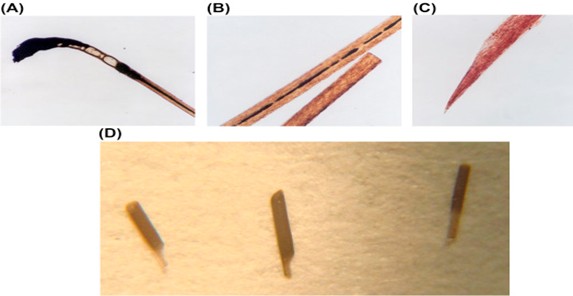
Mitochondrial DNA (mtDNA) can be used to identify animal hairs by species and occasionally by person. Because pets frequently live in the same home, their hair serves as a location-specific trace, making it more significant.
Case Example: Cat Hair Solving a Murder
mtDNA was used to examine cat hair discovered on a victim’s clothing in a Canadian homicide case. The suspect’s pet cat’s hair matched the genetic profile. Although the suspect denied having any touch with the victim, the conviction was aided by the cat hair evidence, which provided compelling evidence of physical contact.
Why It Is Unusual
Animal hair is indirect evidence that connects a crime to both people and their surroundings.
Nature of the Evidence
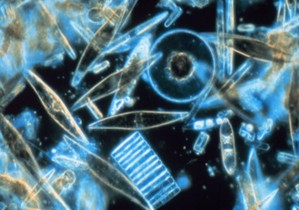
Microscopic algae called diatoms can be found in both freshwater and saltwater habitats. The populations of diatoms vary depending on the type of water.
Case Example: Drowning Investigation
Diatoms were discovered in the bone marrow of a suspected drowning victim, suggesting inhalation while still alive. The diatom species indicated that the body had been relocated after death because it matched a particular lake rather than the river where the body was found.
Why It Is Unusual
Diatoms can differentiate between post-mortem disposal and actual drowning, although they are invisible without specific equipment.
Nature of the Evidence
Factories, construction sites, and industrial zones release unique particles such as metal shavings, glass fragments, or chemical residues. These can settle on clothing, skin, or tools.
Case Example: Metal Dust and a Factory Worker
Metallic dust discovered on a suspect’s jacket in an assault case matched the makeup of particles made by a particular manufacturing facility. Particle analysis and job records put the suspect at the scene at the time of the incident, despite his claims to have been somewhere else.
Why It Is Unusual
By linking crimes to particular workplaces or settings, industrial trace evidence significantly reduces the number of potential suspects.
Even the tiniest, most ordinary items can have enormous forensic value, as unusual trace evidence shows. One essential characteristic unites pollen grains, soil particles, glitter, insects, plant pieces, animal hair, algae, and industrial dust: they are easily spread and challenging to totally eradicate. Although they can covertly record movements, interactions, and surroundings, their presence is frequently overlooked by offenders.
The study of trace evidence becomes increasingly accurate as forensic science develops, including sophisticated microscopy, chemical profiling, and genetic procedures. These advancements support a long-standing fact in criminal investigations: crimes are solved by both ignored and evident factors. When closely inspected, even the smallest traces can prove to be the most convincing testimony.
Content Created By Aanya Kinkar | Forensic Science Student | GD Goenka University
Are you interested in learning more about forensic expert or seeking professional forensic-expert services? Contact us today to inquire about our expertise.
📞 Contact Us: 9990292279
🌐 Visit Our Website: https://forensicexpertinvestigation.com/
✉️ Email: ceo.bfi@gmail.com
