
-
ceo.bfi@gmail.com
Send Email
-
2C, C-6/A Block, Janakpuri, Delhi India 110058
Visit Our Office
99902-92279
Confidentiality Guaranteed
99902-92279
Confidentiality Guaranteed
Lie Detector Test Polygraph Expert Services
-
BRILLIANT FORENSIC INVESTIGATION | Best Forensic Expert Delhi India | Handwriting Signature Verification Expert| Training Internship in forensic lab > Lie Detector Test Polygraph Expert Services
Lie Detector Test Polygraph Expert Services

Brilliant Forensic Investigation (BFI) offers specialized Lie Detector Test (Polygraph) services in India for clients seeking scientific analysis of truthfulness. A polygraph, often called a lie detector, records a person’s physiological responses (heart rate, blood pressure, respiration and skin conductance) while they answer structured questions. BFI’s trained examiners conduct comprehensive polygraph examinations as a forensic investigative tool, carefully measuring multiple bio-signals to help determine whether a subject’s responses indicate stress patterns commonly associated with deception. Importantly, BFI emphasizes that polygraph findings are not infallible proof of deceit – they are one piece of the investigative process that must be interpreted by qualified experts and weighed against all available evidence.
A polygraph test measures psychophysiological reactions that may (but do not uniquely) correlate with lying. Studies conclude there is no single physiological marker of deception. Polygraph science is based on the idea that deceptive answers can trigger stress-related bodily responses, but innocent individuals can be equally nervous for other reasons. In fact, major reviews have found that polygraphs are far from perfectly reliable. The U.S. National Academy of Sciences reported “little basis” for expecting extremely high polygraph accuracy, and the American Psychological Association notes “little evidence” that polygraphs accurately detect lies. For these reasons, BFI uses polygraph tests as part of a thorough forensic assessment rather than as definitive proof of guilt or truthfulness. The results are interpreted in light of the specific context and tested questions.
How Polygraph Testing Works
A polygraph test involves multiple physiological channels monitored simultaneously. BFI’s expert examiners attach noninvasive sensors to the subject’s fingers, chest and arm to track:
Cardiovascular activity: Changes in blood pressure and heart rate are measured via a blood pressure cuff or similar sensor.
Respiration: Breathing rate and depth are recorded with pneumograph tubes around the chest and abdomen.
Electrodermal activity (Skin Conductance): Sweating level is tracked by sensors (often on the fingers or palm), since stress can increase skin conductivity.
(Optionally, other signals like peripheral skin temperature or additional muscle tension may be recorded if needed.)
These sensors feed into a computerized polygraph instrument that continuously charts the subject’s physiological responses while questions are asked. The examiner watches these charts to compare the subject’s reactions to different questions. No measurement is taken of speech content or brain waves; the polygraph simply records body signals that may change under stress or deception.
Before the test, BFI conducts a pre-test interview. The examiner explains the procedure, establishes a rapport, and often calibrates a baseline by asking simple practice questions. This phase also ensures the subject understands the test format and agrees to participate. The person’s consent and comfort are verified – a key legal and ethical requirement in India. BFI examiners review all questions and confirm that they are clear and fair.
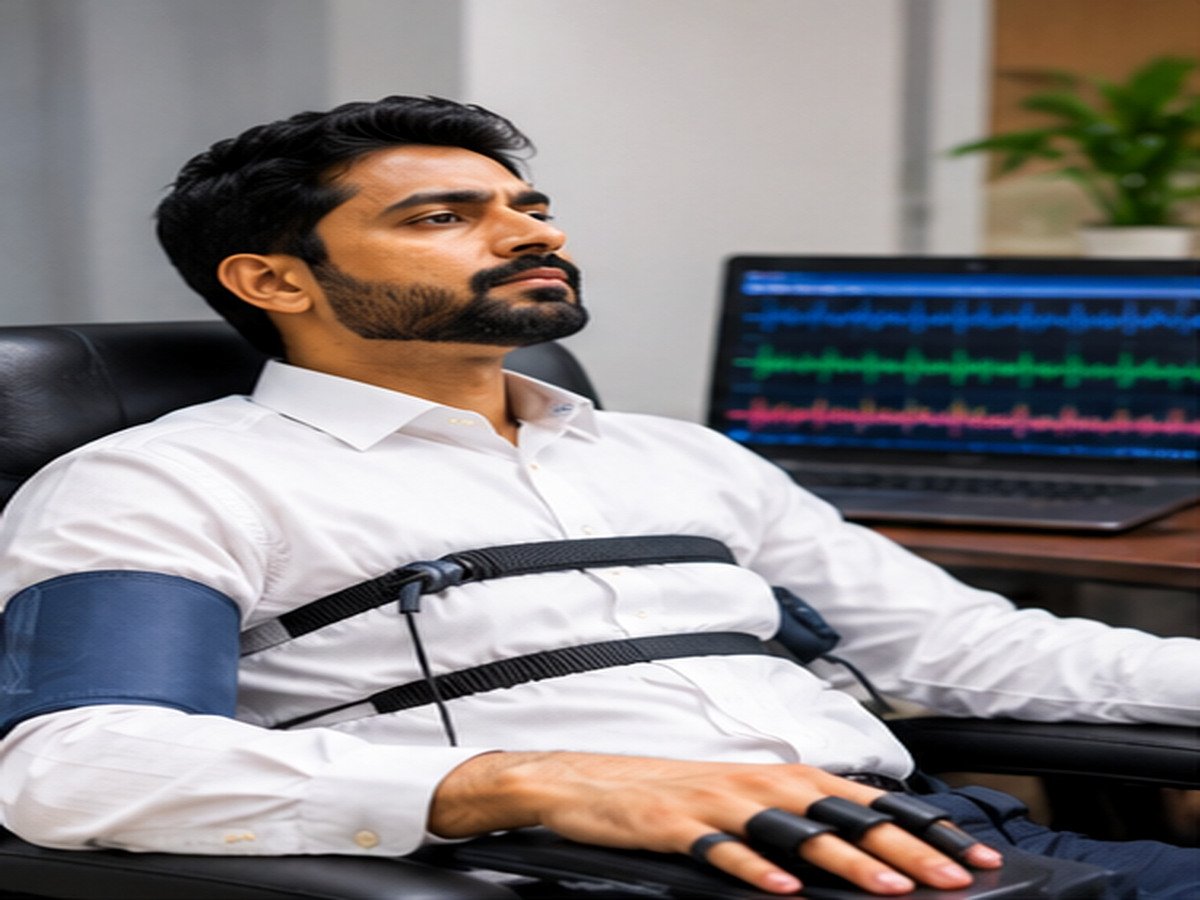
Key points of the polygraph process include:
Qualified Examiner: Only trained, certified polygraph examiners conduct the test, ensuring expertise in both the scientific technique and the interview process.
Controlled Environment: Tests are done in a private, quiet setting with minimal distractions. Equipment is calibrated and functioning properly at all times.
Baseline Calibration: The examiner establishes the subject’s normal physiological baseline before relevant questions are asked.
Standardized Protocol: Question formats follow accepted forensic protocols, though BFI tailors the approach to the case (for example using comparison questions vs. relevant/irrelevant styles).
Comprehensive Documentation: Every polygraph chart is recorded, time-synchronized with the questions, and stored securely for analysis and reporting.

Importantly, BFI neither teaches nor encourages any methods of evading or countering the test. Examiners design questions to be clear, unambiguous and legally appropriate. All questions are reviewed for relevance and fairness during the pre-test interview. Questions must be phrased precisely to avoid misunderstanding. The style of administration is professional – aggressive or leading questioning is avoided since it can invalidate the test.
The test may be tailored as a Screening Exam or a Specific-Issue Exam. In a screening exam, the examiner may ask a broad series of questions about general honesty or reliability (common in background or pre-employment checks, though these uses are legally sensitive in India). In a specific-issue exam, questions focus narrowly on the case facts (e.g. “Did you steal the document?”). BFI will agree on the scope of questioning in advance with the client, ensuring it aligns with Indian legal practice and the client’s objectives.
Question Formats and Test Design
BFI uses structured question formats to extract meaningful comparisons. Common techniques include:
Relevant-Irrelevant (R/I) Format: The examiner alternates between questions unrelated to the issue (“Is today Monday?”) and the key questions (“Did you take the missing funds?”). Reactions to irrelevant questions set a baseline against which responses to relevant questions are compared.
Control/Comparison Question Test (CQT): In this format, the examiner includes “control” questions about past misdeeds or hypothetical issues that most people might lie about. The subject’s reactions to relevant vs. control questions are compared. Historically, this is a widely used method in law enforcement polygraphs. Critics note that innocents may react strongly to control questions, which is why skilled interpretation is vital.
Guilty Knowledge Test (Concealed Information Test): The examiner presents multiple-choice questions containing the correct detail of a crime among other options. A heightened response to the actual detail (which only the perpetrator would know) can indicate guilt. This method minimizes direct confrontation and relies on recognition of known facts.
Factors Affecting Polygraph Results
Polygraph outcomes depend on many factors, not all under the examiner’s control. BFI assesses these factors carefully:
Subject Anxiety and Emotional State: Everyone feels some nervousness during a polygraph. While a guilty person may be more anxious, an innocent person can also be tense due to test stress. Fear, anger or embarrassment can elevate physiological signals irrespective of truthfulness.
Health and Medications: Heart conditions, respiratory issues, neurological disorders or medications (e.g. beta-blockers, blood pressure meds, stimulants) can alter cardiovascular or skin conductance readings. Examiners consider the subject’s medical history and may postpone testing if the results would be unreliable or if testing poses a risk.
Fatigue or Physical Condition: Extreme tiredness, hunger, or discomfort can affect baseline measurements. BFI recommends subjects get adequate rest and avoid substance use before the test.
Language and Comprehension: Questions must be in a language the subject fully understands. Misunderstanding a question can cause irrelevant stress signals. If needed, BFI provides qualified translators or simplifies language to ensure clarity.

Countermeasures: While BFI does not teach countermeasures, we acknowledge that methods like controlled breathing, muscle tension or mental strategies can sometimes weaken test validity. Examiners watch for unusual patterns or inconsistent responses that might suggest attempts to manipulate the test. Modern polygraph protocols and skilled analysis help mitigate simple countermeasures, but no precaution can make a polygraph 100% foolproof.
Examiner Bias: To maintain objectivity, BFI emphasizes a neutral stance. Examiners are trained to phrase questions carefully and avoid conveying expectations to the subject. Interpretation follows scientific guidelines, not the examiner’s personal beliefs.
Environmental Conditions: The testing room is kept at comfortable temperature and free from noise. Electromagnetic interference with equipment is minimized. A calm environment helps ensure that measured changes are due to the subject’s reactions, not external factors.
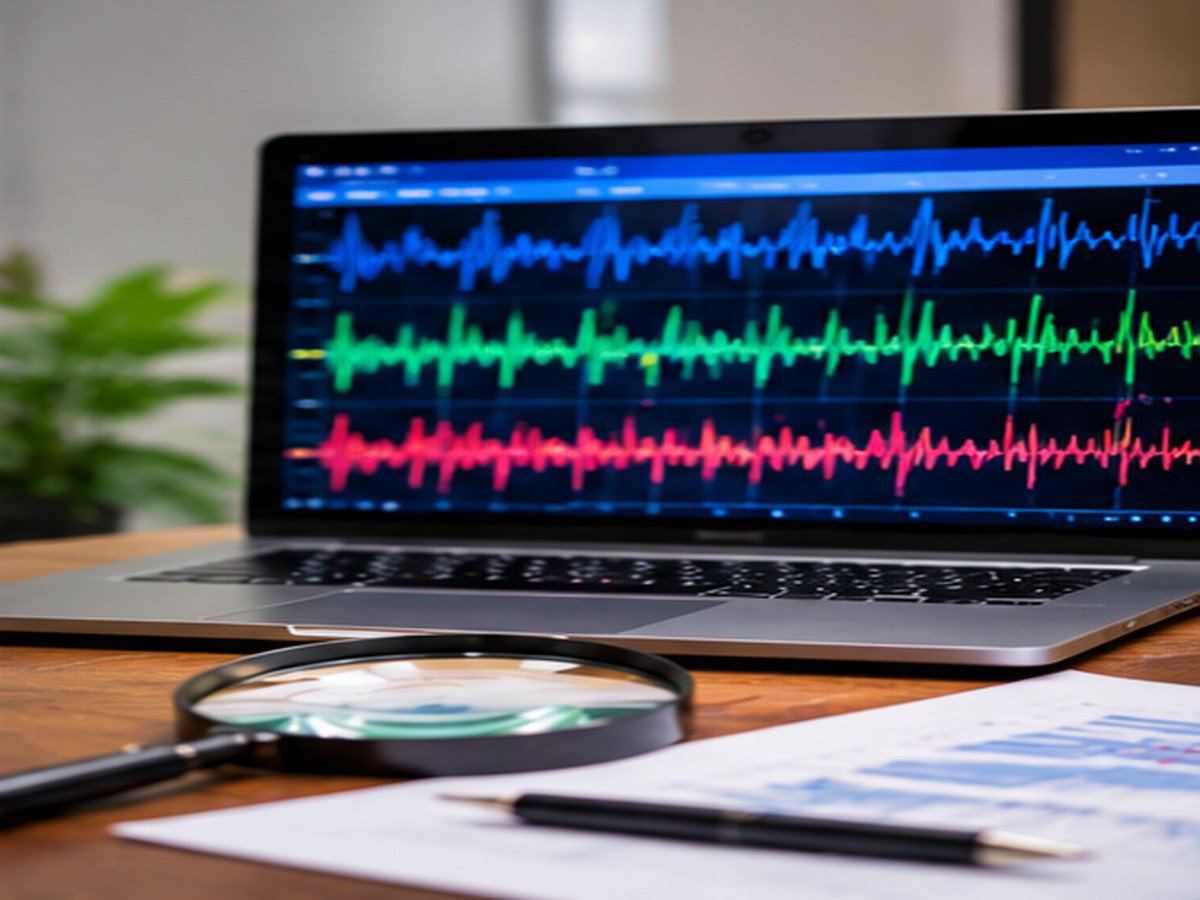
Scientific literature and legal reviews repeatedly emphasize polygraph’s limitations. For example, the American Psychological Association states most psychologists agree there’s little evidence polygraph tests accurately detect lies. Experts caution that polygraphs can be defeated by psychological or physical countermeasures. Thus, BFI will neither advertise a “success rate” nor suggest that a test can replace solid evidence. Instead, we focus on providing a clear technical report describing what the test showed and the confidence level of those observations.
Accuracy, Reliability and Limitations
It is critical to understand that polygraphs are not guaranteed truth-verification machines. The National Academy of Sciences has noted that research does not justify expecting “extremely high accuracy” from polygraph tests. False positives (indicating deception when truthful) and false negatives (failing to show deception when it is present) can and do occur. Some subjects may inherently be very calm or extremely reactive, confounding the results.
BFI’s experts therefore interpret polygraph data with caution. A “pass” or “no deception indicated” result suggests the person showed no unusual physiological reactions on relevant questions. A “fail” or “deception indicated” result means the subject reacted significantly more to relevant questions than to control questions in a way consistent with deceptive responses. Either way, these findings are not proof of guilt or innocence. They are an investigative clue. Forensic best practice – and Indian legal standards – require corroboration from independent evidence.
Legal and Constitutional Context in India
In India, polygraph testing is strictly voluntary. The Supreme Court of India ruled in Selvi v. State of Karnataka (2010) that compulsory administration of polygraph (lie detector) tests violates the constitutional right against self-incrimination (Article 20(3)). In other words, no person can be forced to undergo a polygraph test or any neuroscientific probing against their will.
In practical terms, this means BFI will never subject a person to a polygraph without their express informed consent. The client (and the subject, if they are different persons) must understand that participation is voluntary and that they can refuse or stop the test at any time without penalty. BFI’s process includes a detailed informed consent form, which explains the procedure, its non-admissibility as definite proof, and the subject’s rights.
Even with consent, courts do not treat polygraph results as automatic evidence. Under Indian evidence law, expert opinions (now governed by Section 39 of the Bharatiya Sakshya Adhiniyam, 2023) are “relevant facts” only when technically grounded. A polygraph examiner’s opinion is technically an expert opinion on psychophysiological responses. However, the scientific community broadly regards polygraph conclusions with skepticism. Indian courts have generally refrained from accepting lie detector results as substantive proof of guilt. In fact, City Intelligence notes (and case law confirms) that lie detector tests are not accepted as evidence in the Indian legal system.
In summary, BFI’s polygraph services should be viewed as an investigative aid, not a legally binding test result. The outcome may guide interviews or narrowing of inquiries, but it cannot substitute for forensic evidence or witness testimony in court. BFI ensures that every report clarifies these legal boundaries: consenting to a polygraph does not waive constitutional rights, does not create any presumption of guilt, and does not require that results be used in legal proceedings.

Transparency: Before testing, the examiner explains the polygraph mechanism, reassuring that it only records physical responses (and cannot read thoughts). The subject has the right to ask questions about the procedure. After the test, the examiner will discuss the results in general terms, focusing on the technical observations (e.g. “Your pulse was elevated significantly on question 5”), without making accusatory statements.
Vulnerable Persons: BFI ensures that examinations do not infringe on rights of vulnerable groups. Forensic ethics advise special care if the subject is elderly, ill, pregnant or has mental health issues. In such cases, BFI may require medical clearance or a waiver form from a doctor, or may conclude the polygraph is unsuitable.
By adhering to these standards, BFI’s polygraph service aligns with international best practices and Indian legal expectations regarding human rights and dignity.
Ethical, Privacy and Consent Considerations
Ethics and respect for individuals are at the heart of BFI’s polygraph practice. We follow both general forensic ethics and human rights standards:
Informed Voluntary Consent: As noted, BFI requires clear, written consent from anyone undergoing the test. Consent covers the entire process – pre-test interview, actual testing and use of data. The subject is informed of their right to withdraw at any point without consequence. Children, persons with severe mental disabilities, intoxicated individuals or others who cannot consent meaningfully are excluded. BFI does not test minors unless explicitly approved by a parent/legal guardian and justified by exceptional circumstances.
Dignity and Respect: The polygraph exam is conducted in private. The subject is treated courteously; at no point are they humiliated or threatened. BFI policies forbid any abusive language or undue pressure during the test. The goal is an atmosphere of professionalism, which also helps reduce non-specific anxiety.
Applications of Polygraph Testing
Polygraph tests serve specific purposes where traditional evidence may be lacking or ambiguous. BFI provides polygraph examinations in contexts such as:
Criminal Investigations: Polygraphs can be used to interview suspects or witnesses under police supervision (with consent). For example, when evidence is sparse, a polygraph may help focus questioning on the suspect’s knowledge of crime details. (Note: Indian law prohibits forcing a suspect to take a polygraph; usage is entirely voluntary and typically restricted to investigatory phase, not trial.)
Internal Corporate Inquiries: Companies sometimes suspect internal fraud, theft of inventory, or data breaches. A polygraph test can be offered to key employees to verify statements about the incident. BFI stresses that such testing be voluntary and comply with labor laws. We never suggest using a polygraph as the sole basis for any HR action.
Insurance and Civil Cases: In disputes involving honesty of claimants (e.g. a lost item or a suspicious claim), a polygraph may assist investigators in evaluating claim statements. Again, BFI reports emphasize that results are advisory.
Matrimonial/Personal Matters: Some individuals seek polygraphs in cases of suspected marital infidelity or interpersonal deception. While not common, BFI can conduct such tests. We caution clients that emotional matters have delicate legal implications (e.g. divorce), and polygraphs are only one facet of evidence.

In all applications, BFI’s guiding principle is that the context of testing should justify its use. BFI assesses whether polygraph is appropriate for the question at hand. If the investigative question is better answered by forensic document analysis, digital forensics or other evidence, BFI may recommend alternative forensic services. Polygraphs are chosen when the client believes knowledge or memories of the subject are central to the issue.
Importantly, BFI avoids unscientific uses: we do not test for general truthfulness without a clear issue, nor do we engage in “mind-reading.” The evidence we report concerns only the specific questions asked and the subject’s physiological responses to them. We explicitly clarify in every report that physiological responses are not proof of guilt or innocence.

Analysis and Report: BFI’s examiner prepares a detailed report. This report includes case background, list of questions, observations of subject behavior, technical polygraph data, and conclusions. The report notes any limitations (e.g. if charts were unclear, or if the subject was unusually anxious throughout). The conclusion typically states whether significant physiological indications of deception were found in response to the relevant questions, or if the test was inconclusive.
Confidential Delivery: The report is provided to the client (usually the attorney, investigator or organization that commissioned the test). BFI can also offer a follow-up discussion or, in limited cases, expert testimony or affidavit if needed (with prior arrangement).
At no point does BFI divulge results to unauthorized parties. The entire process is handled with strict confidentiality. We maintain chain-of-custody for all documents and recordings (sign-in sheets, consent forms, charts) to ensure legal integrity.
BFI Polygraph Testing Process
When an authorized party (police department, corporate investigator, lawyer, or private individual with legal standing) requests a polygraph service, BFI follows a structured process:
Case Discussion: We discuss the investigative context confidentially, understanding the questions to be tested, jurisdictional constraints, and whether the person to be tested is willing. All parties must be informed of the voluntary nature.
Scheduling: A date is set for the examination at a BFI facility or suitable location. The subject is given instructions (e.g. bring photo ID, avoid caffeine before test). BFI confirms that the subject has no acute medical issues.
Pre-Test Interview: The polygraph examiner conducts a thorough interview. This includes explaining the equipment, reviewing the list of questions (which can be adjusted for clarity), and obtaining written informed consent. The examiner may ask background questions and practice brief, non-threatening questions to gauge baseline.
Examination: The subject is connected to the polygraph sensors. A baseline recording is taken. Then the examiner administers the agreed test protocol, asking each question multiple times in standardized sets. The examiner monitors for any equipment issues or subject distress.
Why Choose Brilliant Forensic Investigation?
Selecting an experienced forensic organization is essential when confidentiality, professionalism, and scientific methodology are priorities. At BFI, every polygraph examination is conducted by trained professionals who follow structured testing procedures while maintaining impartiality throughout the process.
Our strengths include:
Experienced Polygraph Examiners
Confidential & Professional Environment
Scientific Examination Methodology
Ethical Investigation Practices
Comprehensive Case Assessment
PAN India Investigation Support
Corporate & Legal Investigation Experience
Detailed Examination Documentation
Independent & Objective Approach
Dedicated Client Assistance
Our commitment is to deliver professional forensic services while ensuring every client receives clear guidance, transparent communication, and respectful treatment throughout the examination process.
Looking for Complete Lie Detector (Polygraph) Test Expertise?
This page provides a general overview of our Lie Detector (Polygraph) Test Services in India. If you would like to understand the complete examination process, testing methodology, ethical guidelines, legal considerations, equipment used, and frequently asked questions, we invite you to explore our detailed service page.
Explore Our Complete Lie Detector (Polygraph) Test Expert Services
Our comprehensive service page explains:
What is a Polygraph Examination?
How a Lie Detector Test Works
Scientific Examination Methodology
Types of Polygraph Tests
Pre-Test Interview Process
In-Test & Post-Test Procedures
Professional Standards Followed
Common Investigation Applications
Legal & Ethical Considerations
Frequently Asked Questions
Related Forensic Investigation Services
Whether you are a legal professional, corporate investigator, government agency, or private client, our detailed service page will help you understand how a professionally conducted polygraph examination supports structured investigative processes.
Speak with Our Polygraph Experts
Every investigation deserves professionalism, confidentiality, and scientific expertise. Whether you require a polygraph examination for a legal matter, corporate inquiry, private investigation, or internal assessment, Brilliant Forensic Investigation (BFI) is committed to providing ethical and professionally managed forensic services across India.
Our experienced examiners are available to discuss your requirements, explain the examination process, and recommend the most appropriate investigative approach based on your specific circumstances.
Contact our forensic experts today or explore our complete Lie Detector (Polygraph) Test Expert Services page to learn more about our scientific examination methodology and comprehensive forensic solutions.

📞 Contact Us: 9990292279
🌐 Visit Our Website: https://forensicexpertinvestigation.com/
✉️ Email: ceo.bfi@gmail.com
Frequently Asked Questions (FAQs)
-
What exactly does a polygraph measure?
It measures physiological responses – cardiovascular (heart rate, blood pressure), respiratory (breathing patterns) and electrodermal (sweat gland activity) – while the subject answers questions. It records these signals, which are interpreted as possible stress indicators. Polygraphs do not record brain waves or actual lies. There is no single physiological "lie marker".
-
Do I have to take the test?
No. In India, polygraph tests must be voluntary. By law, no one can be forced to take a lie detector test. BFI requires written informed consent from the person being tested. They have the right to refuse or stop the test at any time.
-
How accurate is a polygraph test?
No test is 100% accurate. Estimates vary, and scientific reviews express skepticism. U.S. reports say accuracy is only moderately above chance in controlled conditions. Real-world factors (nervousness, health, countermeasures) can increase error rates. BFI does not claim a specific accuracy percentage for our tests. We report the evidence we see without guaranteeing an outcome.
-
Can the test detect lies for sure?
No. The test detects physiological arousal. While lying can cause stress, so can many other emotions or conditions. An elevated response to a question means the person was stressed by it, but that stress could be due to fear of being wrongly accused, confusion about the question, or other factors. BFI reports carefully note that physiological response alone is not proof of lying.
-
Will the results be used in court?
Generally, polygraph results are not admissible as evidence in Indian courts. They may only be used to assist investigators or attorneys behind the scenes. If a case goes to trial, Indian judges typically do not allow a polygraph to be presented as factual evidence of guilt. BFI provides a technical opinion report, not legal advice, so discuss admissibility with your lawyer.
Lie Detector Polygraph Test Expert Services In India
union territory Lie-Detector-Polygraph-Test-Expert-Services in Andaman and Nicobar Islands (union territory)-Port Blair | Lie-Detector-Polygraph-Test-Expert-Services in Andhra Pradesh – Adoni, Amaravati, Anantapur, Chandragiri, Chittoor, Dowlaiswaram, Eluru, Guntur, Kadapa, Kakinada, Kurnool, Machilipatnam, Nagarjunakoṇḍa, Rajahmundry, Srikakulam, Tirupati, Vijayawada, Visakhapatnam, Vizianagaram, Yemmiganur | Lie-Detector-Polygraph-Test-Expert-Services in Arunachal Pradesh – Itanagar | Lie-Detector-Polygraph-Test-Expert-Services in Assam – Dhuburi, Dibrugarh, Dispur, Guwahati, Jorhat, Nagaon, Sivasagar, Silchar, Tezpur, Tinsukia | Lie-Detector-Polygraph-Test-Expert-Services in Bihar – Ara, Barauni, Begusarai, Bettiah, Bhagalpur, Bihar Sharif, Bodh Gaya, Buxar, Chapra, Darbhanga, Dehri, Dinapur Nizamat, Gaya, Hajipur, Jamalpur, Katihar, Madhubani, Motihari, Munger, Muzaffarpur, Patna, Purnia, Pusa, Saharsa, Samastipur, Sasaram, Sitamarhi, Siwan | Lie-Detector-Polygraph-Test-Expert-Services in Chandigarh (union territory) – Chandigarh | Lie-Detector-Polygraph-Test-Expert-Services in Chhattisgarh – Ambikapur, Bhilai, Bilaspur, Dhamtari, Durg, Jagdalpur, Raipur, Rajnandgaon | Lie-Detector-Polygraph-Test-Expert-Services in Dadra and Nagar Haveli and Daman and Diu (union territory) – Daman, Diu, Silvassa | Lie-Detector-Polygraph-Test-Expert-Services in Delhi (national capital territory) – Delhi, New Delhi | Lie Detector Polygraph Test Expert Services in Goa – Madgaon, Panaji | Lie Detector Polygraph Test Expert Services in Gujarat – Ahmadabad, Amreli, Bharuch, Bhavnagar, Bhuj, Dwarka, Gandhinagar, Godhra, Jamnagar, Junagadh, Kandla, Khambhat, Kheda, Mahesana, Morbi, Nadiad, Navsari, Okha, Palanpur, Patan, Porbandar, Rajkot, Surat, Surendranagar, Valsad, Veraval | Lie Detector Polygraph Test Expert Services in Haryana – Ambala, Bhiwani, Chandigarh, Faridabad, Firozpur Jhirka, Gurugram, Hansi, Hisar, Jind, Kaithal, Karnal, Kurukshetra, Panipat, Pehowa, Rewari, Rohtak, Sirsa, Sonipat | Lie Detector Polygraph Test Expert Services in Himachal Pradesh – Bilaspur, Chamba, Dalhousie, Dharmshala, Hamirpur, Kangra, Kullu, Mandi, Nahan, Shimla, Una | Lie Detector Polygraph Test Expert Services in Jammu and Kashmir (union territory) – Anantnag, Baramula, Doda, Gulmarg, Jammu, Kathua, Punch, Rajouri, Srinagar, Udhampur | Lie Detector Polygraph Test Expert Services in Jharkhand – Bokaro, Chaibasa, Deoghar, Dhanbad, Dumka, Giridih, Hazaribag, Jamshedpur, Jharia, Rajmahal, Ranchi, Saraikela | Lie Detector Polygraph Test Expert Services in Karnataka – Badami, Ballari, Bengaluru, Belagavi, Bhadravati, Bidar, Chikkamagaluru, Chitradurga, Davangere, Halebid, Hassan, Hubballi-Dharwad, Kalaburagi, Kolar, Madikeri, Mandya, Mangaluru, Mysuru, Raichur, Shivamogga, Shravanabelagola, Shrirangapattana, Tumakuru, Vijayapura | Lie Detector Polygraph Test Expert Services in Kerala – Alappuzha, Vatakara, Idukki, Kannur, Kochi, Kollam, Kottayam, Kozhikode, Mattancheri, Palakkad, Thalassery, Thiruvananthapuram, Thrissur | Lie Detector Polygraph Test Expert Services in Ladakh (union territory) – Kargil, Leh | Lie Detector Polygraph Test Expert Services in Madhya Pradesh – Balaghat, Barwani, Betul, Bharhut, Bhind, Bhojpur, Bhopal, Burhanpur, Chhatarpur, Chhindwara, Damoh, Datia, Dewas, Dhar, Dr. Ambedkar Nagar (Mhow), Guna, Gwalior, Hoshangabad, Indore, Itarsi, Jabalpur, Jhabua, Khajuraho, Khandwa, Khargone, Maheshwar, Mandla, Mandsaur, Morena, Murwara, Narsimhapur, Narsinghgarh, Narwar, Neemuch, Nowgong, Orchha, Panna, Raisen, Rajgarh, Ratlam, Rewa, Sagar, Sarangpur, Satna, Sehore, Seoni, Shahdol, Shajapur, Sheopur, Shivpuri, Ujjain, Vidisha | Lie Detector Polygraph Test Expert Services in Maharashtra – Ahmadnagar, Akola, Amravati, Aurangabad, Bhandara, Bhusawal, Bid, Buldhana, Chandrapur, Daulatabad, Dhule, Jalgaon, Kalyan, Karli, Kolhapur, Mahabaleshwar, Malegaon, Matheran, Mumbai, Nagpur, Nanded, Nashik, Osmanabad, Pandharpur, Parbhani, Pune, Ratnagiri, Sangli, Satara, Sevagram, Solapur, Thane, Ulhasnagar, Vasai-Virar, Wardha, Yavatmal | Lie Detector Polygraph Test Expert Services in Manipur – Imphal | Forensic Crime Scene Investigation Services in Meghalaya – Cherrapunji, Shillong | Lie-Detector-Polygraph-Test-Expert-Services in Mizoram – Aizawl, Lunglei | Lie-Detector-Polygraph-Test-Expert-Services in Nagaland – Kohima, Mon, Phek, Wokha, Zunheboto | Lie-Detector-Polygraph-Test-Expert-Services in Odisha – Balangir, Baleshwar, Baripada, Bhubaneshwar, Brahmapur, Cuttack, Dhenkanal, Kendujhar, Konark, Koraput, Paradip, Phulabani, Puri, Sambalpur, Udayagiri | Lie-Detector-Polygraph-Test-Expert-Services in Puducherry (union territory) – Karaikal, Mahe, Puducherry, Yanam | Lie-Detector-Polygraph-Test-Expert-Services in Punjab – Amritsar, Batala, Chandigarh, Faridkot, Firozpur, Gurdaspur, Hoshiarpur, Jalandhar, Kapurthala, Ludhiana, Nabha, Patiala, Rupnagar, Sangrur | Lie-Detector-Polygraph-Test-Expert-Services in Rajasthan – Abu, Ajmer, Alwar, Amer, Barmer, Beawar, Bharatpur, Bhilwara, Bikaner, Bundi, Chittaurgarh, Churu, Dhaulpur, Dungarpur, Ganganagar, Hanumangarh, Jaipur, Jaisalmer, Jalor, Jhalawar, Jhunjhunu, Jodhpur, Kishangarh, Kota, Merta, Nagaur, Nathdwara, Pali, Phalodi, Pushkar, Sawai Madhopur, Shahpura, Sikar, Sirohi, Tonk, Udaipur | Lie-Detector-Polygraph-Test-Expert-Services in Sikkim – Gangtok, Gyalshing, Lachung, Mangan | Lie-Detector-Polygraph-Test-Expert-Services in Tamil Nadu – Arcot, Chengalpattu, Chennai, Chidambaram, Coimbatore, Cuddalore, Dharmapuri, Dindigul, Erode, Kanchipuram, Kanniyakumari, Kodaikanal, Kumbakonam, Madurai, Mamallapuram, Nagappattinam, Nagercoil, Palayamkottai, Pudukkottai, Rajapalayam, Ramanathapuram, Salem, Thanjavur, Tiruchchirappalli, Tirunelveli, Tiruppur, Thoothukudi, Udhagamandalam, Vellore | Lie-Detector-Polygraph-Test-Expert-Services in Telangana – Hyderabad, Karimnagar, Khammam, Mahbubnagar, Nizamabad, Sangareddi, Warangal | Lie-Detector-Polygraph-Test-Expert-Services in Tripura – Agartala | Lie-Detector-Polygraph-Test-Expert-Services in Uttar Pradesh – Agra, Aligarh, Amroha, Ayodhya, Azamgarh, Bahraich, Ballia, Banda, Bara Banki, Bareilly, Basti, Bijnor, Bithur, Budaun, Bulandshahr, Deoria, Etah, Etawah, Faizabad, Farrukhabad-cum-Fatehgarh, Fatehpur, Fatehpur Sikri, Ghaziabad, Ghazipur, Gonda, Gorakhpur, Hamirpur, Hardoi, Hathras, Jalaun, Jaunpur, Jhansi, Kannauj, Kanpur, Lakhimpur, Lalitpur, Lucknow, Mainpuri, Mathura, Meerut, Mirzapur-Vindhyachal, Moradabad, Muzaffarnagar, Partapgarh, Pilibhit, Prayagraj, Rae Bareli, Rampur, Saharanpur, Sambhal, Shahjahanpur, Sitapur, Sultanpur, Tehri, Varanasi | Lie-Detector-Polygraph-Test-Expert-Services in Uttarakhand – Almora, Dehra Dun, Haridwar, Mussoorie, Nainital, Pithoragarh | Lie-Detector-Polygraph-Test-Expert-Services in West Bengal – Alipore, Alipur Duar, Asansol, Baharampur, Bally, Balurghat, Bankura, Baranagar, Barasat, Barrackpore, Basirhat, Bhatpara, Bishnupur, Budge Budge, Burdwan, Chandernagore, Darjeeling, Diamond Harbour, Dum Dum, Durgapur, Halisahar, Haora, Hugli, Ingraj Bazar, Jalpaiguri, Kalimpong, Kamarhati, Kanchrapara, Kharagpur, Cooch Behar, Kolkata, Krishnanagar, Malda, Midnapore, Murshidabad, Nabadwip, Palashi, Panihati, Purulia, Raiganj, Santipur, Shantiniketan, Shrirampur, Siliguri, Siuri, Tamluk, Titagarh.
Lie Detector Polygraph Test Expert Services In in Various Major Cities of India
Brilliant Forensic Investigation (BFI) provides Lie Detector Polygraph Test Expert Services across major cities and regions in India, including Mumbai, New Delhi, Bangalore, Hyderabad, Ahmedabad, Chennai, Kolkata, Surat, Pune, Jaipur, Lucknow, Kanpur, Nagpur, Indore, Thane, Bhopal, Visakhapatnam, Pimpri-Chinchwad, Patna, Vadodara, Ghaziabad, Ludhiana, Agra, Nashik, Meerut, Kalyan-Dombivali, Vasai-Virar, Varanasi, Srinagar, Aurangabad, Dhanbad, Amritsar, Navi Mumbai, Allahabad, Howrah, Ranchi, Gwalior, Coimbatore, Vijayawada, Jodhpur, Madurai, Raipur, Kota, Chandigarh, Guwahati, Solapur, Hubballi-Dharwad, Nellore, Bhavnagar, Dehradun, Durgapur, Asansol, Rourkela, Nanded, Kolhapur, Ajmer, Akola, Gulbarga, Mangalore, Erode, Belgaum, Ambattur, Tirunelveli, Malegaon, Gaya, Jalgaon, Udaipur, Maheshtala, Davanagere, Kozhikode, Kurnool, Rajpur-Sonarpur, Bhatpara, Rajahmundry, Bokaro, South Dumdum, Bellary, Patiala, Gopalpur, Agartala, Bhagalpur, Muzaffarnagar, Ahmednagar, Mathura, Kollam, Avadi, Kadapa, Kamarhati, Sambalpur, Bilaspur, Shahjahanpur, Satara, Bijapur, Rampur, Shivamogga, Chandrapur, Junagadh, Thrissur, Alwar, Bardhaman, Kulti, Kakinada, Nizamabad, Parbhani, Tumkur, Khammam, Ozhukarai, Bihar Sharif, Panipat, Darbhanga, Bally, Aizawl, Dewas, Ichalkaranji, Karnal, Bathinda, Jalna, Eluru, Kirari Suleman Nagar, Mehsana, Durg, Barasat, Purnia, Satna, Mau, Sonipat, Farrukhabad, Sagar, Imphal, Ratlam, Hapur, Begusarai, Gandhidham, Baranagar, Tiruvottiyur, Puducherry, Sikar, Thoothukudi, Rewa, Mirzapur, Raichur, Pali, Ramagundam, Haridwar, Thanjavur, Bulandshahr, Uluberia, Murwara, Sambhal, Singrauli, Nadiad, Secunderabad, Naihati, Bidhannagar, Pallavaram, Bidar, Munger, Panchkula, Burhanpur, Raurkela Industrial Township, Chittoor, Jehanabad, Kharagpur, Dindigul, Gandhinagar, Hospet, Nangloi Jat, Malda, Ongole, Deoghar, Chapra, Haldia, Khandwa, Nandyal, Morena, Amroha, Anand, Bhind, Bhalswa Jahangir Pur, Rae Bareli, Madhyamgram, Bhiwani, Panvel, Baharampur, Ambala, Morbi, Fatehpur, Mahabubnagar, Bhusawal, Orai, Bahraich, Vellore, Raiganj, Sirsa, Danapur, Serampore, Sultan Pur Majra, Guna, Jaunpur, Shivpuri, Surendranagar-Dudhrej, Kumbakonam, Dehri, Madanapalle, Phagwara, Narasaraopet, Tadipatri, Kishanganj, Karaikudi, Faridabad, Rajkot, Jabalpur, Tiruchirappalli, Bareilly, Mysore, Tiruppur, Gurgaon, Aligarh, Jalandhar, Bhubaneswar, Salem, Mira-Bhayandar, Warangal, Guntur, Bhiwandi, Saharanpur, Gorakhpur, Bikaner, Amravati, Noida, Jamshedpur, Bhilai, Cuttack, Firozabad, Kochi, Jamnagar, Ujjain, Loni, Siliguri, Jhansi, Ulhasnagar, Jammu, Sangli-Miraj-Kupwad, Thiruvananthapuram, Panihati, Latur, Dhule, Tirupati, Rohtak, Korba, Bhilwara, Berhampur, Arrah, Anantapur, Karimnagar, Etawah, Ambarnath, North Dumdum, Bharatpur, Vijayanagaram, Katihar, Nagercoil, Sri Ganganagar, Karawal Nagar, Mango, Katni, Yamunanagar, Unnao, Chinsurah, Alappuzha, Kottayam, Machilipatnam, Shimla, Adoni, Udupi, Tenali, Proddatur, Saharsa, Hindupur, Sasaram, Hajipur, Bhimavaram, Siwan, Bettiah, Guntakal, Srikakulam, Motihari, Dharmavaram, Gudivada, Suryapet, Kavali, Tadepalligudem, Amaravati, Buxar, and Gangtok, as well as Kolkata and other locations throughout West Bengal. BFI aims to support individuals, advocates, law firms, corporate organizations, insurance companies, and institutions with professional forensic investigation, scientific evidence examination, and expert consultation services, subject to service availability and case requirements.