
-
ceo.bfi@gmail.com
Send Email
-
2C, C-6/A Block, Janakpuri, Delhi India 110058
Visit Our Office
99902-92279
Confidentiality Guaranteed
99902-92279
Confidentiality Guaranteed
Photo Analysis Expert Services In India
-
BRILLIANT FORENSIC INVESTIGATION | Best Forensic Expert Delhi India | Handwriting Signature Verification Expert| Training Internship in forensic lab > Photo Analysis Expert Services In India
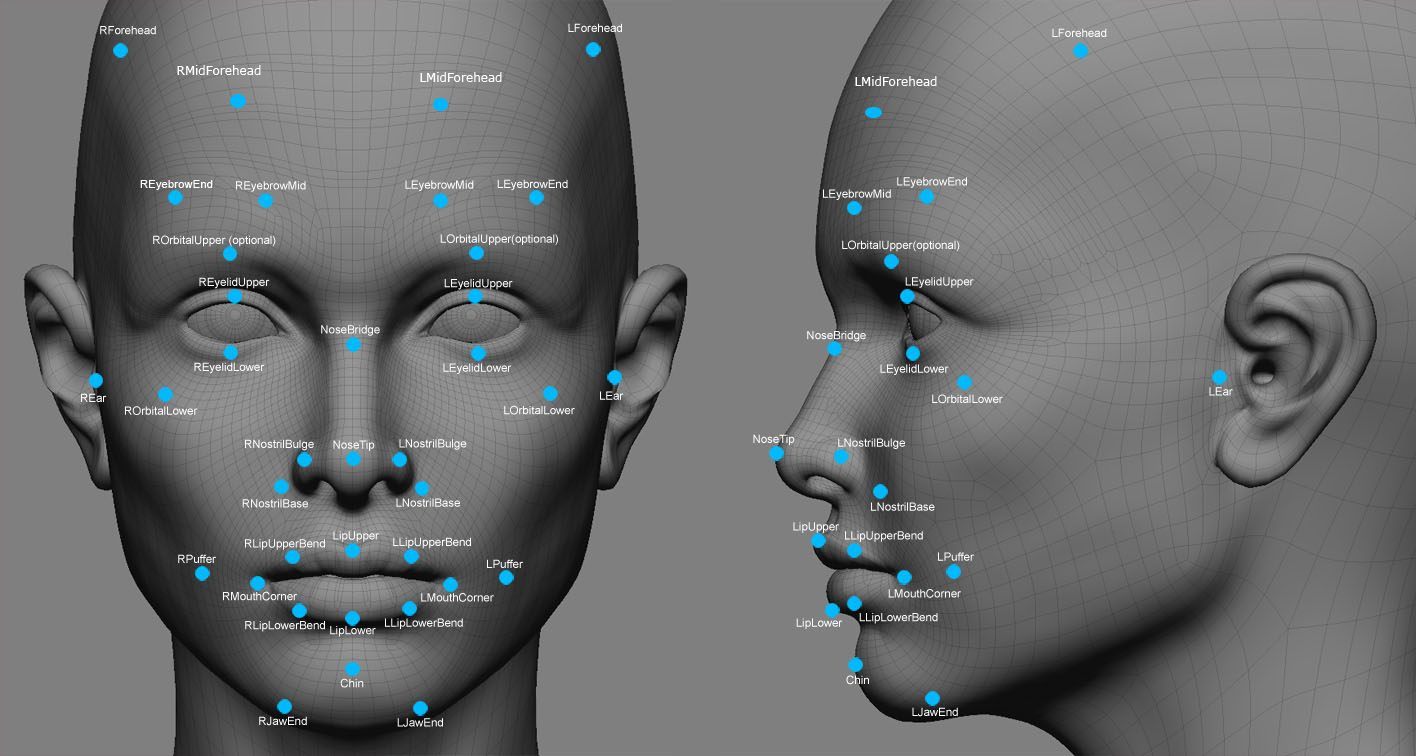
Photo Analysis Expert Services In India
A photograph can appear convincing while still containing technical inconsistencies that are not visible during ordinary viewing. A digital image may have been edited, compressed, cropped, recombined, enhanced, copied, re-saved, or generated from another source. In an investigation, the important question is therefore not simply whether a photograph looks genuine, but whether the available digital evidence supports what the image is claimed to represent.
BFI provides professional Photo Analysis Expert Services for the forensic examination of digital photographs and photographic evidence. BFI examines the image itself, its file structure, available metadata, compression characteristics, visual content, processing history, and other relevant features to determine what can scientifically be established about the image.
Forensic photo analysis can be relevant to criminal investigations, civil disputes, corporate investigations, insurance matters, cybercrime, fraud investigations, matrimonial disputes, accident investigations, social-media evidence, disputed screenshots, CCTV still photographs and other situations in which the authenticity or interpretation of an image matters.
BFI approaches every examination as a forensic question rather than an ordinary photo-editing assignment. The objective is to determine what the submitted material can reliably demonstrate, what technical findings may indicate alteration or processing, and where limitations prevent a definitive conclusion.
What Is Forensic Photo Analysis?
Forensic Photo Analysis is the scientific examination and interpretation of an image or photographic file for an investigative, evidentiary or legal purpose.
The examination can involve more than one discipline because a single photograph may raise several different questions. One case may require authentication of the image, another may require enhancement of a poorly visible feature, while another may require comparison of a questioned image with reference material.
Current forensic guidance treats image analysis as a broader discipline that includes areas such as image authentication, photographic comparison, content analysis and photogrammetry. These examinations can address both the technical characteristics of the image and the information represented within it.
BFI therefore does not treat every photo case as the same type of examination. Before analysis, the examination objective should be clearly defined so that the work performed corresponds to the actual question being asked.
A professional photo analysis may examine how an image was created or processed, whether content appears consistent, whether two images contain corresponding features, whether measurable information can be extracted, or whether a particular feature can be clarified without misrepresenting the original evidence.
Why Photo Analysis Matters in Modern Investigations
Photographs are now created and shared through smartphones, digital cameras, CCTV systems, messaging applications, social-media platforms, cloud services, websites, screen captures and other digital environments.
This has created a major forensic challenge. The same image may exist in several different versions, and each version may have undergone additional compression, resizing, cropping or platform processing. A photograph downloaded from a social platform may therefore not be technically identical to the original camera file.
At the same time, modern editing tools can modify images without leaving obvious visual clues. Objects can be removed, duplicated or inserted. Backgrounds can be replaced. Faces can be altered. Multiple images can be combined. A genuine photograph can be heavily processed and subsequently represented as an “original.”
BFI’s role is to examine the available digital material scientifically and distinguish between what can be established from the evidence and what remains uncertain.
BFI Photo Analysis Expert Services
Forensic Photo Authentication
BFI examines questioned photographs to assess whether the available image is consistent with the original or claimed source and whether there are indications of alteration, compositing, manipulation or other processing.
Authentication is different from simply asking whether a photograph “looks real.” The examination may consider file structure, metadata, compression characteristics, image content, processing traces, internal consistency and available source material. Professional guidance also distinguishes image authentication from the separate issue of maintaining the integrity of a file after acquisition.
BFI can therefore examine both questions where required: whether the image appears to represent what it purports to represent and whether the submitted digital file has been maintained without alteration during its handling.
Photo Tampering Detection
A digitally altered photograph may contain one obvious modification or a combination of subtle changes.
BFI can examine photographs for indications of:
Object removal
Object insertion
Copy-and-paste manipulation
Clone or repeated-region artifacts
Splicing or compositing
Background replacement
Face replacement
Local retouching
Selective blur
Selective sharpening
Color manipulation
Resizing and recompression
Cropping and reframing
Layered editing
Inconsistent image regions
Unusual processing patterns
The presence of an apparent irregularity does not automatically establish who altered an image, when the alteration occurred, or why it was made. The forensic conclusion must remain tied to the technical evidence that is actually available.
Image Manipulation & Composite Image Analysis
A composite image is created when visual elements from different sources are combined into a single photograph.
BFI can examine whether different regions of an image demonstrate characteristics that are inconsistent with a single continuous capture. Depending on the quality of the file, analysis may consider boundaries, compression behaviour, lighting relationships, perspective, sharpness, noise characteristics, color response, geometric relationships and other relevant features.
A strong examination does not rely on one visual clue alone. Multiple observations should be considered together because individual image characteristics can also result from legitimate processing, camera behaviour or repeated saving.
BFI reports findings in terms appropriate to the available evidence rather than treating one algorithmic indicator as automatic proof of manipulation.
Metadata and EXIF Analysis
Many digital photographs contain embedded technical information commonly associated with the file and its creation or processing history.
Depending on the source and file format, metadata may contain information such as camera make and model, date and time fields, image dimensions, software information, GPS information, lens information, thumbnail data and other technical properties.
BFI can examine available metadata and compare it with the image and the circumstances described for the evidence.
However, metadata must be interpreted carefully. Metadata can be incomplete, removed, changed, rewritten or lost during transfer and platform processing. Professional guidance specifically notes that metadata may be limited, absent or altered and should therefore not automatically be treated as conclusive proof of image origin or authenticity.
This is why BFI considers metadata as one component of a broader forensic examination rather than relying on a single EXIF field to declare an image genuine or fake.
Image File Structure Examination
The visible image is only one part of a digital photograph.
BFI can examine the technical structure of a submitted image file, including relevant file-format characteristics, headers, embedded information, thumbnail relationships, compression information and other structural elements that may help answer the examination question.
Where appropriate source material is available, BFI can compare technical characteristics across files to identify inconsistencies or relationships between versions.
This type of examination can be particularly useful when a client has more than one copy of a photograph and needs to determine whether the files represent the same source, different processing stages or potentially different image origins.
JPEG Compression & Compression Artifact Analysis
Digital photographs are frequently stored or transmitted using compression. Repeated saving, resizing, messaging-platform processing, screenshotting and re-exporting can introduce additional compression characteristics.
BFI can examine compression-related features as part of an image-authentication assessment.
Compression analysis may help identify differences between regions or versions of an image, but compression evidence must be interpreted in context. A compression difference does not automatically mean that a particular region was maliciously edited. It may also result from ordinary software processing, multiple saves or platform handling.
BFI therefore evaluates compression evidence together with the remainder of the image rather than treating it as an isolated “tampering detector.”
Image Enhancement & Clarification
Some photographs contain potentially useful information that is difficult to see because the image is dark, overexposed, low contrast, blurred, compressed or otherwise degraded.
BFI provides forensic image enhancement and clarification to improve the visibility of relevant information where the source contains usable detail.
Depending on the case, enhancement can involve controlled adjustments to brightness, contrast, tonal range, sharpness, color channels, noise characteristics or other image properties.
For forensic purposes, the original image should remain preserved and processing should be carried out on a working copy. The processing steps should also be documented so that the resulting image can be understood as a processed version rather than mistaken for the untouched original.
BFI can prepare enhanced images together with an explanation of the processing performed and the limitations of the source material.
Can Photo Enhancement Recover Hidden Details?
Photo enhancement can sometimes make existing information easier to see, but enhancement cannot reliably create information that was never captured in the original source.
For example, increasing contrast may reveal a boundary that already exists in the image. Adjusting brightness may make a partially visible object easier to distinguish. Color-channel analysis may separate features that are difficult to see in a normal view.
However, if the original photograph contains too little information, excessive processing can introduce artifacts or create a misleading appearance. Forensic image-processing guidance warns that processing should be performed carefully to avoid introducing artifacts or losing detail that could result in an erroneous interpretation.
BFI therefore distinguishes enhancement for visualization from reconstruction of information that is not present.
This distinction is especially important for legal and investigative work.
AI-Generated Image & Synthetic Image Analysis
Artificial intelligence has made it possible to generate or substantially alter highly realistic images.
BFI can examine questioned images for technical and visual characteristics that may be relevant when investigating suspected AI generation or AI-assisted modification.
The examination can consider image structure, inconsistencies, unusual textures, facial or anatomical irregularities, generation characteristics, metadata, compression behaviour and other available evidence.
However, no responsible forensic service should promise that every AI-generated image can always be identified from the final image alone. Advanced synthetic images can be difficult to distinguish, particularly when the original file has been resized, compressed, screenshot or otherwise transformed.
Current forensic guidance also recognizes that image manipulation can sometimes be difficult for even trained practitioners to detect in a single image.
BFI therefore treats AI-image examination as an evidence-based assessment and reports the limitations of the material examined.
Deepfake Image Examination
Deepfake technology can involve face replacement, synthetic identity creation, facial modification or other forms of digitally generated visual content.
BFI can examine suspected deepfake photographs to identify technical or visual inconsistencies that may support or weaken the proposition that the image is authentic.
Where possible, the examination can compare a questioned image with known reference material and evaluate whether the facial, lighting, geometric and image-processing characteristics are consistent.
A forensic opinion should not be based solely on the fact that a face “looks unusual.” The relevant question is whether there are objective findings that support a particular interpretation.
Social Media Photo Verification
Images shared through social media and messaging applications can be important evidence in disputes and investigations, but online images often pass through multiple processing stages.
Downloading, resizing, compression, automatic image optimization, screenshots and repeated forwarding can all affect the technical characteristics of a file.
BFI provides forensic examination of questioned social-media photographs to assess authenticity, available metadata, manipulation indicators, source relationships and image-processing history where sufficient evidence exists.
Where the original upload is unavailable, BFI can examine the submitted copy and clearly state the limitations arising from the absence of the original source file.
Screenshot Analysis
A screenshot is a representation of another digital display rather than necessarily the original photograph.
BFI can examine screenshots of photographs, social-media posts, messages, profiles and other visual material to determine what can be established from the submitted screenshot.
Screenshot analysis may include examination of visible interface details, image dimensions, compression characteristics, editing indicators, surrounding content and relationships with other supplied files.
A screenshot normally provides less technical information than the underlying original file, so BFI distinguishes between conclusions supported by the screenshot itself and questions that require the original digital evidence.
CCTV Still Image Analysis
CCTV systems frequently generate photographs or still frames that are later extracted from video recordings.
A still image taken from CCTV may be affected by camera resolution, frame rate, compression, lighting, distance, motion blur and the original recording system.
BFI can analyse and enhance CCTV still images for investigative purposes and, where technically appropriate, examine characteristics relevant to image interpretation and comparison.
The objective is to preserve the distinction between what is actually visible in the source and what is merely suggested by excessive enhancement.
BFI can prepare comparison views and processed images that make relevant visual features easier to examine while keeping the original frame separate from the processed output
Comparative Photo Analysis
Comparative image analysis involves examining a questioned image together with known or reference material.
The comparison may concern a person, face, vehicle, object, clothing, scene feature, mark, structure, background element or other visual characteristic.
BFI can assess similarities and differences between the questioned and reference imagery and document the features that support or contradict a proposed association.
The strength of a comparative examination depends heavily on image quality, viewing conditions, the distinctiveness of the features being compared and the availability of suitable reference material. Professional guidance emphasizes repeatability and documentation in photographic comparison examinations.
A weak photograph should not be transformed into a confident identification merely because the client expects a particular result.
Facial Image Comparison
When photographs contain a face, BFI can undertake a forensic comparison where the image quality and examination conditions are suitable.
This may involve examining visible facial characteristics, proportions, anatomical relationships, image perspective and other features that can be meaningfully compared between questioned and reference images.
The quality of the result is affected by camera angle, resolution, illumination, compression, occlusion, facial expression, lens characteristics and the amount of visible facial information.
BFI’s role is to determine whether the available imagery supports a meaningful comparison and to report the findings with appropriate limitations rather than overstating what a poor-quality photograph can prove.
Photogrammetry & Measurement from Photographs
Photographs can sometimes contain measurable spatial information.
Photogrammetry is a forensic image-analysis discipline used to derive dimensional information from imagery when the necessary conditions and reference information are available. Applications can include estimating dimensions, assessing perspective, examining subject height, analysing distances or supporting accident and scene reconstruction.
BFI can assess whether a photograph is suitable for measurement-based analysis and, where appropriate, perform calculations using relevant reference information.
A measurement should never be presented as scientifically reliable when the photograph lacks sufficient calibration, known dimensions, suitable perspective information or other necessary conditions.
Lighting, Shadow & Perspective Analysis
Lighting and geometry can provide important information during forensic image examination.
BFI can assess whether the lighting direction, shadow behaviour, perspective relationships and spatial characteristics within an image appear internally consistent.
Such analysis can be useful when investigating suspected compositing, inserted objects, background replacement or other forms of image manipulation.
For example, an inserted object may exhibit a different apparent lighting direction or incompatible perspective. However, variations in real-world photography can also produce complicated lighting and shadow conditions, so such observations must be interpreted within the context of the scene and the available evidence.
Object Removal & Clone Detection
Digital editing can remove an object and fill the resulting area using surrounding pixels. Another common technique is duplication of an existing region to conceal or replace information.
BFI can examine questioned areas for repeated structures, abnormal texture continuity, inconsistent noise, edge anomalies and other characteristics that may support an examination for cloning or object removal.
Because naturally repeating patterns can sometimes resemble cloned regions, the finding should be interpreted together with the rest of the image rather than treated as automatic proof of intentional editing.
Photo Origin & Source Examination
In some cases, the central question is not only whether an image was edited but where the image came from.
BFI can examine available technical characteristics and supplied reference files to assess relationships between versions of a photograph.
Source examination may involve metadata, file structure, image dimensions, compression characteristics, thumbnails, visible content, known versions and other available information.
The absence of original source material can restrict what can be established. BFI therefore reports the available evidence rather than claiming a source determination when the evidence is insufficient.
Image Integrity & Digital Evidence Preservation
Authenticity and integrity are related but different forensic questions.
Authentication concerns whether the image content is an accurate representation of what it purports to show and, where possible, questions concerning its origin. Integrity concerns whether the evidence has remained complete and unaltered during acquisition, storage, transfer and examination.
BFI can incorporate file-integrity practices into the examination workflow where appropriate, including maintaining the original submitted file, working from a forensic or controlled copy, documenting processing, and recording relevant file identifiers.
Hash verification can help establish whether a digital file has remained identical between two points in the evidence-handling process, but a hash does not by itself prove that the scene represented in the file is truthful or unmanipulated at the moment of original creation.
This distinction is essential when presenting digital photographs as evidence.
Original Photo vs Edited Copy
Whenever possible, BFI recommends working from the highest-quality original file available.
A camera-original file generally provides more forensic information than a screenshot, cropped copy, messaging-platform image or repeatedly recompressed version.
The original file should be preserved before analysis. Processing should be carried out on a working copy, with the changes documented and the processed result clearly identified as a derivative. These practices are consistent with current forensic image-processing guidance.
BFI can also examine multiple versions of the same photograph where the client has access to an original, an exported copy and one or more screenshots or online versions.
Original Photo vs Edited Copy
Whenever possible, BFI recommends working from the highest-quality original file available.
A camera-original file generally provides more forensic information than a screenshot, cropped copy, messaging-platform image or repeatedly recompressed version.
The original file should be preserved before analysis. Processing should be carried out on a working copy, with the changes documented and the processed result clearly identified as a derivative. These practices are consistent with current forensic image-processing guidance.
BFI can also examine multiple versions of the same photograph where the client has access to an original, an exported copy and one or more screenshots or online versions.
Photo Analysis for Criminal Investigations
Photographic evidence may play an important role in criminal investigations, particularly when an image is being relied upon to establish identity, presence, location, sequence of events, object characteristics or the condition of a scene.
BFI can examine questioned photographs for authenticity, manipulation, enhancement, comparative characteristics and other defined forensic issues.
The examination can support broader investigative work but should not automatically be treated as a substitute for other evidence. A photograph may contribute one part of an evidentiary picture, and its significance depends upon its source, context, integrity and the findings of the examination.
Photo Analysis for Civil & Commercial Disputes
Photographic evidence is increasingly involved in disputes concerning property condition, construction defects, product damage, insurance claims, workplace incidents, contractual disagreements, allegations of alteration and online publications.
BFI can examine questioned images to determine whether the available digital characteristics support the claimed history of the photograph or whether technical inconsistencies require further investigation.
Where photographs are central to a dispute, BFI can also assist with organizing the technical findings into a report that clearly distinguishes the original evidence, processed images, observations, methodology and conclusions.
Insurance & Fraud Photo Analysis
Photographs may be submitted to support claims involving vehicle damage, property damage, accident circumstances, inventory, goods, documents or other financial losses.
BFI can assess photographs for inconsistencies, image manipulation indicators, duplicated content, unusual editing, metadata issues and relationships between multiple submitted images.
A forensic examination may also compare photographs claimed to represent different incidents or dates when suitable source material is available.
BFI’s objective is not to assume fraud. The objective is to scientifically examine the imagery and identify findings that may support, contradict or remain inconclusive regarding the proposition being tested.
Photo Analysis for Matrimonial & Personal Disputes
Digital photographs can become important in personal and matrimonial disputes when questions arise about where a person was, who appeared in an image, whether a photograph has been altered, when an image may have been processed, or whether two photographs relate to the same source.
BFI provides confidential photo analysis for such matters, subject to the availability and legality of the submitted evidence.
Where a personal dispute is based on a screenshot or social-media image rather than an original camera file, BFI can explain what can and cannot be established from that limited source.
Photo Analysis for Cybercrime & Online Fraud
Online fraud frequently involves manipulated photographs, fabricated profiles, altered screenshots, counterfeit documents shown as images, synthetic identities and misleading visual content.
BFI can examine digital photographs connected with suspected online fraud and cyber investigations to identify signs of manipulation, recompression, synthetic generation, metadata inconsistencies, image reuse and other technically relevant characteristics.
Where the photograph forms part of a larger digital investigation, the image examination can be considered alongside the available file and source information.
What Can BFI Photo Analysis Determine?
Depending on the quality and source of the evidence, BFI may be able to address questions such as:
Whether an image contains indications of digital manipulation.
Whether separate image regions demonstrate technical inconsistencies.
Whether an object appears to have been inserted, removed, copied or duplicated.
Whether a photograph has undergone identifiable processing.
Whether metadata is present and technically consistent with the supplied information.
Whether multiple versions appear to originate from related image data.
Whether an image contains features consistent with AI-assisted or synthetic generation.
Whether enhancement can reveal additional existing visual information.
Whether questioned and reference images contain corresponding or inconsistent features.
Whether measurable information can be extracted from a suitable image.
Whether a submitted file has remained identical during documented evidence handling.
The exact scope depends upon the evidence supplied and the specific examination question.
Photo Evidence & Indian Digital Evidence Law
Digital photographs can form part of electronic evidence, and the applicable legal requirements depend on how the record is produced, preserved and presented.
Under the Bharatiya Sakshya Adhiniyam, 2023, Section 39 recognizes expert opinion on scientific matters and specifically addresses electronic or digital information through the statutory framework relating to electronic evidence.
Section 63 addresses the admissibility of electronic records and sets out conditions concerning the production and handling of electronic records. The statutory schedule also provides for information relating to the digital record and hash values in the prescribed certificate framework.
Accordingly, a forensic photo-analysis report should not simply be marketed as automatically “court admissible.” Whether particular material is admissible depends on the applicable law, the circumstances of the evidence, the manner of its production and the decision of the relevant authority or court.
BFI can provide forensic examination and documentation intended to support investigative and legal review, while the ultimate evidentiary treatment remains a matter for the applicable legal process.
Why Choose BFI for Photo Analysis Expert Services?
BFI combines forensic image science, digital examination and investigative understanding in one structured service.
BFI does not treat photo analysis as ordinary image editing. A forensic examination begins with the question that needs to be answered, identifies the appropriate evidence, applies relevant analytical methods and records the findings in a manner that can be understood and reviewed.
BFI also recognizes an important distinction between enhancing an image for visualization and altering an image in a way that could affect its evidentiary interpretation.
The original evidence remains central to the process. Processed images are treated as derivatives, and technical findings are interpreted in relation to the quality and provenance of the submitted material.
Where the evidence does not justify a definitive conclusion, BFI can report the limitation rather than manufacture certainty.
Request a Confidential Photo Analysis Consultation with BFI
When the authenticity of a photograph is questioned, visual inspection alone may not be enough.
BFI provides professional Photo Analysis Expert Services for forensic image authentication, manipulation detection, enhancement, metadata examination, comparative image analysis, AI-image assessment, CCTV still analysis, photogrammetry and digital photographic evidence review.
BFI examines the evidence scientifically, preserves the distinction between original and processed material, documents relevant findings and clearly communicates the limitations of the available evidence.
Whether the photograph is connected to a legal dispute, investigation, corporate matter, insurance claim, online fraud issue or personal dispute, the first step is to identify the exact question that needs to be answered.
Let BFI examine the image before assumptions become conclusions.

📞 Contact Us: 9990292279
🌐 Visit Our Website: https://forensicexpertinvestigation.com/
✉️ Email: ceo.bfi@gmail.com
Frequently Asked Questions About Photo Analysis Expert Services
-
What is a Photo Analysis Expert?
Document examination and verification is a forensic process used to examine questioned documents for issues involving authenticity, authorship, signatures, alterations, ink, paper, printing, stamps, seals and other physical or digital characteristics.
-
Can BFI tell whether a photograph has been edited?
BFI can examine a photograph for technical and visual indicators of editing or manipulation. The ability to reach a conclusion depends on the quality, source and history of the image.
-
Can BFI detect AI-generated photographs?
BFI can examine suspected AI-generated or AI-modified imagery using relevant technical and visual analysis. However, a definitive conclusion is not always possible from a single final image, particularly when the image has been resized, compressed or otherwise processed.
-
Can metadata prove that a photograph is genuine?
No. Metadata can provide useful information about the file, but it may be absent, altered or rewritten. It should be interpreted together with the rest of the forensic findings.
-
Can BFI enhance a blurry photograph?
BFI can attempt controlled enhancement where the image contains usable information. Enhancement can improve visibility, but it cannot guarantee recovery of detail that was never adequately captured.

Photo Analysis Expert Services In India
Forensic Photo Analysis Expert Services in Andaman and Nicobar Islands (union territory)-Port Blair | Forensic Photo Analysis Expert Services in Andhra Pradesh – Adoni, Amaravati, Anantapur, Chandragiri, Chittoor, Dowlaiswaram, Eluru, Guntur, Kadapa, Kakinada, Kurnool, Machilipatnam, Nagarjunakoṇḍa, Rajahmundry, Srikakulam, Tirupati, Vijayawada, Visakhapatnam, Vizianagaram, Yemmiganur | Forensic Photo Analysis Expert Services in Arunachal Pradesh – Itanagar | Forensic Photo Analysis Expert Services in Assam – Dhuburi, Dibrugarh, Dispur, Guwahati, Jorhat, Nagaon, Sivasagar, Silchar, Tezpur, Tinsukia | Forensic Photo Analysis Expert Services in Bihar – Ara, Barauni, Begusarai, Bettiah, Bhagalpur, Bihar Sharif, Bodh Gaya, Buxar, Chapra, Darbhanga, Dehri, Dinapur Nizamat, Gaya, Hajipur, Jamalpur, Katihar, Madhubani, Motihari, Munger, Muzaffarpur, Patna, Purnia, Pusa, Saharsa, Samastipur, Sasaram, Sitamarhi, Siwan | Forensic Photo Analysis Expert Services in Chandigarh (union territory) – Chandigarh | Forensic Photo Analysis Expert Services in Chhattisgarh – Ambikapur, Bhilai, Bilaspur, Dhamtari, Durg, Jagdalpur, Raipur, Rajnandgaon | Forensic Photo Analysis Expert Services in Dadra and Nagar Haveli and Daman and Diu (union territory) – Daman, Diu, Silvassa | Forensic Photo Analysis Expert Services in Delhi (national capital territory) – Delhi, New Delhi |Forensic Photo Analysis Expert Services in Goa – Madgaon, Panaji | Forensic Crime Scene Investigation – Services in Gujarat – Ahmadabad, Amreli, Bharuch, Bhavnagar, Bhuj, Dwarka, Gandhinagar, Godhra, Jamnagar, Junagadh, Kandla, Khambhat, Kheda, Mahesana, Morbi, Nadiad, Navsari, Okha, Palanpur, Patan, Porbandar, Rajkot, Surat, Surendranagar, Valsad, Veraval | Forensic Photo Analysis Expert Services in Haryana – Ambala, Bhiwani, Chandigarh, Faridabad, Firozpur Jhirka, Gurugram, Hansi, Hisar, Jind, Kaithal, Karnal, Kurukshetra, Panipat, Pehowa, Rewari, Rohtak, Sirsa, Sonipat | Forensic Photo Analysis Expert Services in Himachal Pradesh – Bilaspur, Chamba, Dalhousie, Dharmshala, Hamirpur, Kangra, Kullu, Mandi, Nahan, Shimla, Una | Forensic Photo Analysis Expert Services in Jammu and Kashmir (union territory) – Anantnag, Baramula, Doda, Gulmarg, Jammu, Kathua, Punch, Rajouri, Srinagar, Udhampur | Forensic Photo Analysis Expert Services in Jharkhand – Bokaro, Chaibasa, Deoghar, Dhanbad, Dumka, Giridih, Hazaribag, Jamshedpur, Jharia, Rajmahal, Ranchi, Saraikela | Forensic Photo Analysis Expert Services in Karnataka – Badami, Ballari, Bengaluru, Belagavi, Bhadravati, Bidar, Chikkamagaluru, Chitradurga, Davangere, Halebid, Hassan, Hubballi-Dharwad, Kalaburagi, Kolar, Madikeri, Mandya, Mangaluru, Mysuru, Raichur, Shivamogga, Shravanabelagola, Shrirangapattana, Tumakuru, Vijayapura | Forensic Photo Analysis Expert Services in Kerala – Alappuzha, Vatakara, Idukki, Kannur, Kochi, Kollam, Kottayam, Kozhikode, Mattancheri, Palakkad, Thalassery, Thiruvananthapuram, Thrissur | Forensic Photo Analysis Expert Services in Ladakh (union territory) – Kargil, Leh | Forensic Photo Analysis Expert Services in Madhya Pradesh – Balaghat, Barwani, Betul, Bharhut, Bhind, Bhojpur, Bhopal, Burhanpur, Chhatarpur, Chhindwara, Damoh, Datia, Dewas, Dhar, Dr. Ambedkar Nagar (Mhow), Guna, Gwalior, Hoshangabad, Indore, Itarsi, Jabalpur, Jhabua, Khajuraho, Khandwa, Khargone, Maheshwar, Mandla, Mandsaur, Morena, Murwara, Narsimhapur, Narsinghgarh, Narwar, Neemuch, Nowgong, Orchha, Panna, Raisen, Rajgarh, Ratlam, Rewa, Sagar, Sarangpur, Satna, Sehore, Seoni, Shahdol, Shajapur, Sheopur, Shivpuri, Ujjain, Vidisha | Forensic Photo Analysis Expert Services in Maharashtra – Ahmadnagar, Akola, Amravati, Aurangabad, Bhandara, Bhusawal, Bid, Buldhana, Chandrapur, Daulatabad, Dhule, Jalgaon, Kalyan, Karli, Kolhapur, Mahabaleshwar, Malegaon, Matheran, Mumbai, Nagpur, Nanded, Nashik, Osmanabad, Pandharpur, Parbhani, Pune, Ratnagiri, Sangli, Satara, Sevagram, Solapur, Thane, Ulhasnagar, Vasai-Virar, Wardha, Yavatmal |Forensic Photo Analysis Expert Services in Manipur – Imphal | Forensic Photo Analysis Expert Services in Meghalaya – Cherrapunji, Shillong | Forensic Photo Analysis Expert Services in Mizoram – Aizawl, Lunglei | Forensic Photo Analysis Expert Services in Nagaland – Kohima, Mon, Phek, Wokha, Zunheboto | Forensic Photo Analysis Expert Services in Odisha – Balangir, Baleshwar, Baripada, Bhubaneshwar, Brahmapur, Cuttack, Dhenkanal, Kendujhar, Konark, Koraput, Paradip, Phulabani, Puri, Sambalpur, Udayagiri | Forensic Photo Analysis Expert Services in Puducherry (union territory) – Karaikal, Mahe, Puducherry, Yanam | Forensic Photo Analysis Expert Services in Punjab – Amritsar, Batala, Chandigarh, Faridkot, Firozpur, Gurdaspur, Hoshiarpur, Jalandhar, Kapurthala, Ludhiana, Nabha, Patiala, Rupnagar, Sangrur | Forensic Photo Analysis Expert Services in Rajasthan – Abu, Ajmer, Alwar, Amer, Barmer, Beawar, Bharatpur, Bhilwara, Bikaner, Bundi, Chittaurgarh, Churu, Dhaulpur, Dungarpur, Ganganagar, Hanumangarh, Jaipur, Jaisalmer, Jalor, Jhalawar, Jhunjhunu, Jodhpur, Kishangarh, Kota, Merta, Nagaur, Nathdwara, Pali, Phalodi, Pushkar, Sawai Madhopur, Shahpura, Sikar, Sirohi, Tonk, Udaipur | Forensic Photo Analysis Expert Services in Sikkim – Gangtok, Gyalshing, Lachung, Mangan | Forensic Photo Analysis Expert Services in Tamil Nadu – Arcot, Chengalpattu, Chennai, Chidambaram, Coimbatore, Cuddalore, Dharmapuri, Dindigul, Erode, Kanchipuram, Kanniyakumari, Kodaikanal, Kumbakonam, Madurai, Mamallapuram, Nagappattinam, Nagercoil, Palayamkottai, Pudukkottai, Rajapalayam, Ramanathapuram, Salem, Thanjavur, Tiruchchirappalli, Tirunelveli, Tiruppur, Thoothukudi, Udhagamandalam, Vellore | Forensic Photo Analysis Expert Services in Telangana – Hyderabad, Karimnagar, Khammam, Mahbubnagar, Nizamabad, Sangareddi, Warangal | Forensic Photo Analysis Expert Services in Tripura – Agartala | Forensic Photo Analysis Expert Services in Uttar Pradesh – Agra, Aligarh, Amroha, Ayodhya, Azamgarh, Bahraich, Ballia, Banda, Bara Banki, Bareilly, Basti, Bijnor, Bithur, Budaun, Bulandshahr, Deoria, Etah, Etawah, Faizabad, Farrukhabad-cum-Fatehgarh, Fatehpur, Fatehpur Sikri, Ghaziabad, Ghazipur, Gonda, Gorakhpur, Hamirpur, Hardoi, Hathras, Jalaun, Jaunpur, Jhansi, Kannauj, Kanpur, Lakhimpur, Lalitpur, Lucknow, Mainpuri, Mathura, Meerut, Mirzapur-Vindhyachal, Moradabad, Muzaffarnagar, Partapgarh, Pilibhit, Prayagraj, Rae Bareli, Rampur, Saharanpur, Sambhal, Shahjahanpur, Sitapur, Sultanpur, Tehri, Varanasi | Forensic Photo Analysis Expert Services in Uttarakhand – Almora, Dehra Dun, Haridwar, Mussoorie, Nainital, Pithoragarh | Forensic Photo Analysis Expert Services in West Bengal – Alipore, Alipur Duar, Asansol, Baharampur, Bally, Balurghat, Bankura, Baranagar, Barasat, Barrackpore, Basirhat, Bhatpara, Bishnupur, Budge Budge, Burdwan, Chandernagore, Darjeeling, Diamond Harbour, Dum Dum, Durgapur, Halisahar, Haora, Hugli, Ingraj Bazar, Jalpaiguri, Kalimpong, Kamarhati, Kanchrapara, Kharagpur, Cooch Behar, Kolkata, Krishnanagar, Malda, Midnapore, Murshidabad, Nabadwip, Palashi, Panihati, Purulia, Raiganj, Santipur, Shantiniketan, Shrirampur, Siliguri, Siuri, Tamluk, Titagarh.
Photo Analysis Expert services in Various Cities of India
Brilliant Forensic Investigation (BFI) provides forensic investigation and expert services across major cities and regions in India, including Mumbai, New Delhi, Bangalore, Hyderabad, Ahmedabad, Chennai, Kolkata, Surat, Pune, Jaipur, Lucknow, Kanpur, Nagpur, Indore, Thane, Bhopal, Visakhapatnam, Pimpri-Chinchwad, Patna, Vadodara, Ghaziabad, Ludhiana, Agra, Nashik, Meerut, Kalyan-Dombivali, Vasai-Virar, Varanasi, Srinagar, Aurangabad, Dhanbad, Amritsar, Navi Mumbai, Allahabad, Howrah, Ranchi, Gwalior, Coimbatore, Vijayawada, Jodhpur, Madurai, Raipur, Kota, Chandigarh, Guwahati, Solapur, Hubballi-Dharwad, Nellore, Bhavnagar, Dehradun, Durgapur, Asansol, Rourkela, Nanded, Kolhapur, Ajmer, Akola, Gulbarga, Mangalore, Erode, Belgaum, Ambattur, Tirunelveli, Malegaon, Gaya, Jalgaon, Udaipur, Maheshtala, Davanagere, Kozhikode, Kurnool, Rajpur-Sonarpur, Bhatpara, Rajahmundry, Bokaro, South Dumdum, Bellary, Patiala, Gopalpur, Agartala, Bhagalpur, Muzaffarnagar, Ahmednagar, Mathura, Kollam, Avadi, Kadapa, Kamarhati, Sambalpur, Bilaspur, Shahjahanpur, Satara, Bijapur, Rampur, Shivamogga, Chandrapur, Junagadh, Thrissur, Alwar, Bardhaman, Kulti, Kakinada, Nizamabad, Parbhani, Tumkur, Khammam, Ozhukarai, Bihar Sharif, Panipat, Darbhanga, Bally, Aizawl, Dewas, Ichalkaranji, Karnal, Bathinda, Jalna, Eluru, Kirari Suleman Nagar, Mehsana, Durg, Barasat, Purnia, Satna, Mau, Sonipat, Farrukhabad, Sagar, Imphal, Ratlam, Hapur, Begusarai, Gandhidham, Baranagar, Tiruvottiyur, Puducherry, Sikar, Thoothukudi, Rewa, Mirzapur, Raichur, Pali, Ramagundam, Haridwar, Thanjavur, Bulandshahr, Uluberia, Murwara, Sambhal, Singrauli, Nadiad, Secunderabad, Naihati, Bidhannagar, Pallavaram, Bidar, Munger, Panchkula, Burhanpur, Raurkela Industrial Township, Chittoor, Jehanabad, Kharagpur, Dindigul, Gandhinagar, Hospet, Nangloi Jat, Malda, Ongole, Deoghar, Chapra, Haldia, Khandwa, Nandyal, Morena, Amroha, Anand, Bhind, Bhalswa Jahangir Pur, Rae Bareli, Madhyamgram, Bhiwani, Panvel, Baharampur, Ambala, Morbi, Fatehpur, Mahabubnagar, Bhusawal, Orai, Bahraich, Vellore, Raiganj, Sirsa, Danapur, Serampore, Sultan Pur Majra, Guna, Jaunpur, Shivpuri, Surendranagar-Dudhrej, Kumbakonam, Dehri, Madanapalle, Phagwara, Narasaraopet, Tadipatri, Kishanganj, Karaikudi, Faridabad, Rajkot, Jabalpur, Tiruchirappalli, Bareilly, Mysore, Tiruppur, Gurgaon, Aligarh, Jalandhar, Bhubaneswar, Salem, Mira-Bhayandar, Warangal, Guntur, Bhiwandi, Saharanpur, Gorakhpur, Bikaner, Amravati, Noida, Jamshedpur, Bhilai, Cuttack, Firozabad, Kochi, Jamnagar, Ujjain, Loni, Siliguri, Jhansi, Ulhasnagar, Jammu, Sangli-Miraj-Kupwad, Thiruvananthapuram, Panihati, Latur, Dhule, Tirupati, Rohtak, Korba, Bhilwara, Berhampur, Arrah, Anantapur, Karimnagar, Etawah, Ambarnath, North Dumdum, Bharatpur, Vijayanagaram, Katihar, Nagercoil, Sri Ganganagar, Karawal Nagar, Mango, Katni, Yamunanagar, Unnao, Chinsurah, Alappuzha, Kottayam, Machilipatnam, Shimla, Adoni, Udupi, Tenali, Proddatur, Saharsa, Hindupur, Sasaram, Hajipur, Bhimavaram, Siwan, Bettiah, Guntakal, Srikakulam, Motihari, Dharmavaram, Gudivada, Suryapet, Kavali, Tadepalligudem, Amaravati, Buxar, and Gangtok, as well as Kolkata and other locations throughout West Bengal. BFI aims to support individuals, advocates, law firms, corporate organizations, insurance companies, and institutions with professional forensic investigation, scientific evidence examination, and expert consultation services, subject to service availability and case requirements.