
Handwriting of Serial Killers

What Real Cases Reveal About Their Psychology and Criminal Behavior
Handwriting has always been more than just a form of communication. It is a psychomotor activity—a reflection of the brain, emotions, personality traits, and behavioral tendencies. In the field of forensic handwriting examination, the handwritten letters, notes, and messages of serial killers offer rare windows into their minds.
While handwriting cannot diagnose criminality, nor can it conclusively determine mental illness, it can reflect patterns of control, impulsivity, emotional instability, narcissism, stress, and deception—traits commonly observed in offenders with violent tendencies.
Across history, many serial killers have communicated through handwritten letters, confessions, and taunts. These writings became crucial pieces of evidence, not only in solving crimes but also in understanding the psychological makeup of these dangerous offenders.
This detailed blog explores real serial killer cases, showing how handwriting became a forensic clue and a psychological signature.
Why Handwriting Matters in Serial Killer Investigations
Serial killers often:
- Have a desire for power and control, Seek recognition or validation, Want to manipulate investigators, Communicate to fulfill fantasies, Reveal emotional states in writing, Attempt to disguise their identity through altered writing.
Because handwriting is an unconscious motor habit, attempts to disguise it often fail under scientific analysis, allowing investigators to spot inconsistencies and link writers to crime-related documents.
Handwriting examiners analyze:
Stroke pressure, Rhythm and fluency, Slant and inclination, Letter formations, Pen lifts and hesitations, Line quality, Emotional intensity, Spatial distribution and margins.
Combined with linguistic and behavioral profiling, these features help investigators interpret the offender’s behavior, mindset, and writing authenticity.
1. Dennis Rader (BTK Killer): Handwriting That Exposed Narcissism and Control

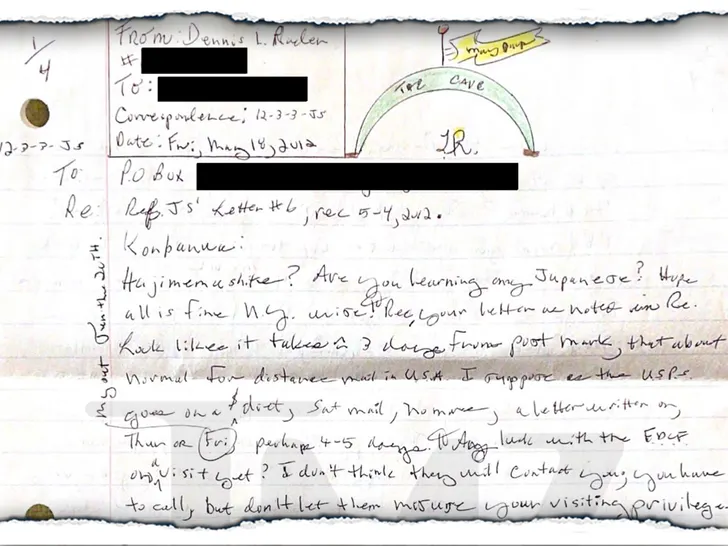
Case Overview
Dennis Rader murdered ten people between 1974 and 1991 and taunted police with letters, poems, and detailed crime descriptions. After years of silence, he resumed sending messages in 2004.
Handwriting Characteristics – Experts found that Rader’s handwriting displayed:
Heavy pressure → intense emotions, aggression, insistence
Controlled strokes → organized, meticulous personality
Clean letter formation → desire for dominance and order
Structured layout → calculated communication
His letters reflected a chilling calmness and obsession with control. They were written with careful precision, showing no signs of panic or remorse.
Forensic Importance – Although his handwriting alone didn’t identify him, it:
Confirmed authorship of multiple BTK letters
Connected older and newer communications
Helped profile him as organized, methodical, and narcissistic
When he sent a floppy disk asking if it could be traced (believing police wouldn’t lie), investigators matched metadata to his church computer and verified the handwriting—leading to his arrest.
2. Zodiac Killer: Terrifying Letters That Became Forensic Artifacts
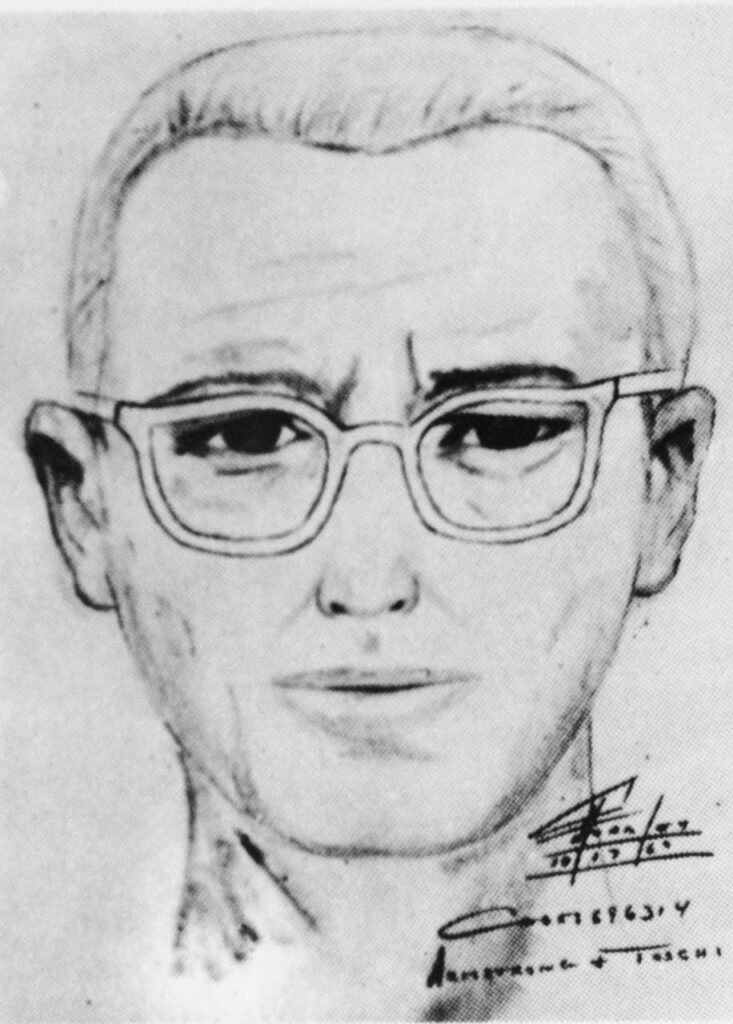
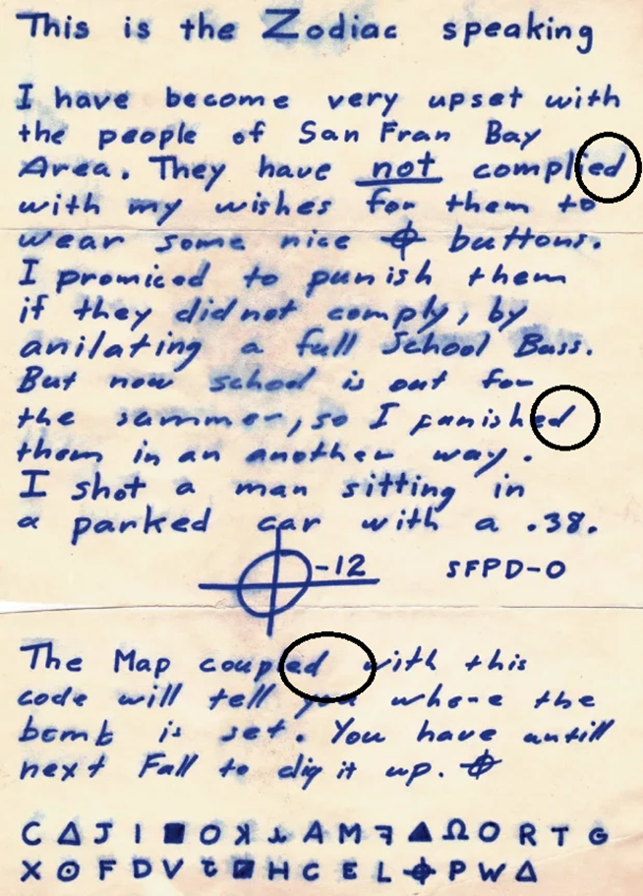
Case Overview
Between 1968 and 1969, the Zodiac Killer murdered multiple victims and sent cryptic handwritten letters and ciphers to newspapers in Northern California. The killer has never been officially identified.
Handwriting Characteristics – Zodiac’s writing was:
Blocky and angular
Inconsistent in slant
Exceedingly heavy pressure
Uniformly spaced but emotionally erratic
Filled with exaggerated letters and symbols
Experts suggested:
High emotional tension, Lack of empathy
An intense need for attention
Deliberate attempts to control communication
The detailed, artistic patterning of letters hinted at ritualistic behavior—common in some serial offenders.
Forensic Importance – Handwriting comparisons were used to:
Eliminate several suspects
Connect letters to the same author
Maintain continuity of the investigation
The Zodiac’s handwriting remains one of the most studied questioned document sets in history.
3. David Berkowitz (Son of Sam): Emotional Instability Reflected in Chaotic Writing
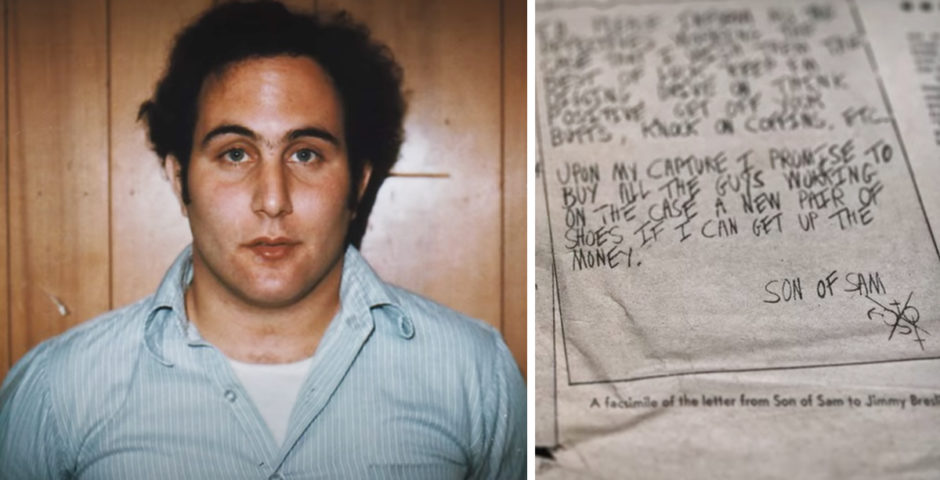
Case Overview
From 1976 to 1977, David Berkowitz shot several victims in New York City. He sent handwritten letters to the police and media, establishing the persona “Son of Sam.”
Handwriting Characteristics – His letters showed:
Sudden pressure shifts → emotional volatility
Erratic slant changes → psychological instability
Distorted letter shapes → fear, anxiety, fragmented thoughts
Childlike formations → desire for attention and validation
Berkowitz’s handwriting mirrored his intense paranoia and delusional thinking. His writings were also filled with symbolic phrases that offered deeper insight into his mental state.
Forensic Importance – His handwriting:
Connected multiple letters to one offender
Revealed behavioral patterns
Helped police understand his desire for notoriety
After arrest, his samples matched the threatening letters with strong consistency.
4. Ted Kaczynski (Unabomber): Handwriting Linked to Intellectual Precision
Case Overview
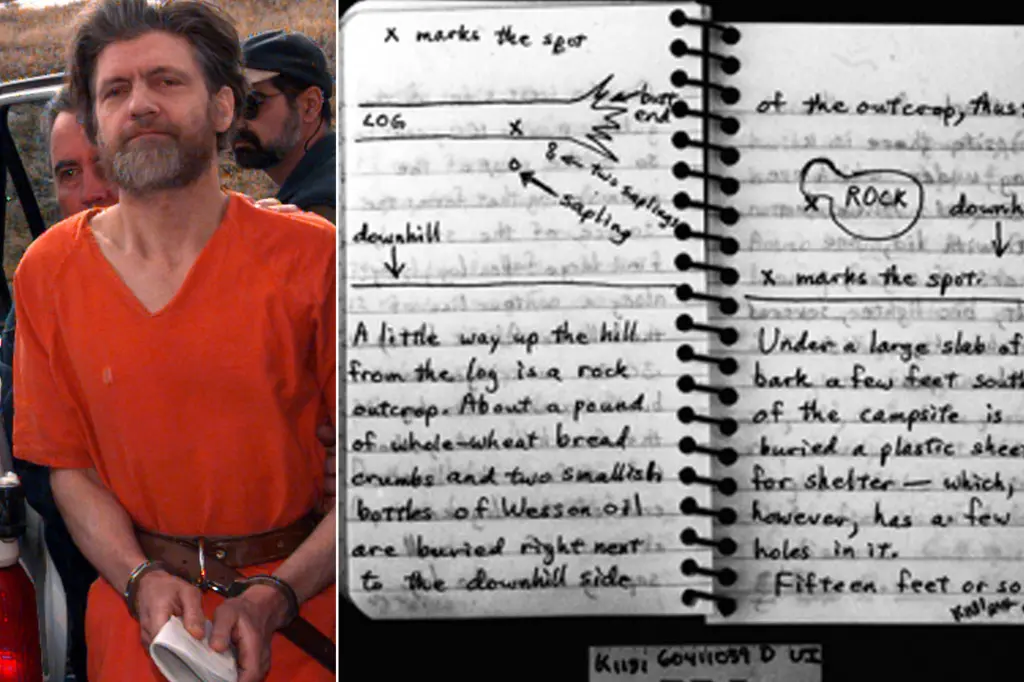
Kaczynski conducted bomb attacks from 1978 to 1995. He wrote a lengthy manifesto, journals, and letters.
Handwriting Characteristics – His writing displayed:
Tidy, small lettering
Even margins and spacing
Light to moderate pressure
Mathematically structured layout
These traits mirrored his personality—methodical, highly intelligent, neat, and isolated.
Forensic Importance – After his arrest:
Journals from his cabin aligned perfectly with earlier writings
Handwriting consistency helped confirm authorship
Combined with linguistic clues, it solidified his identity as the Unabomber
5. Jack the Ripper (1888): The First Major Handwriting-Based Serial Killer Case
Case Overview
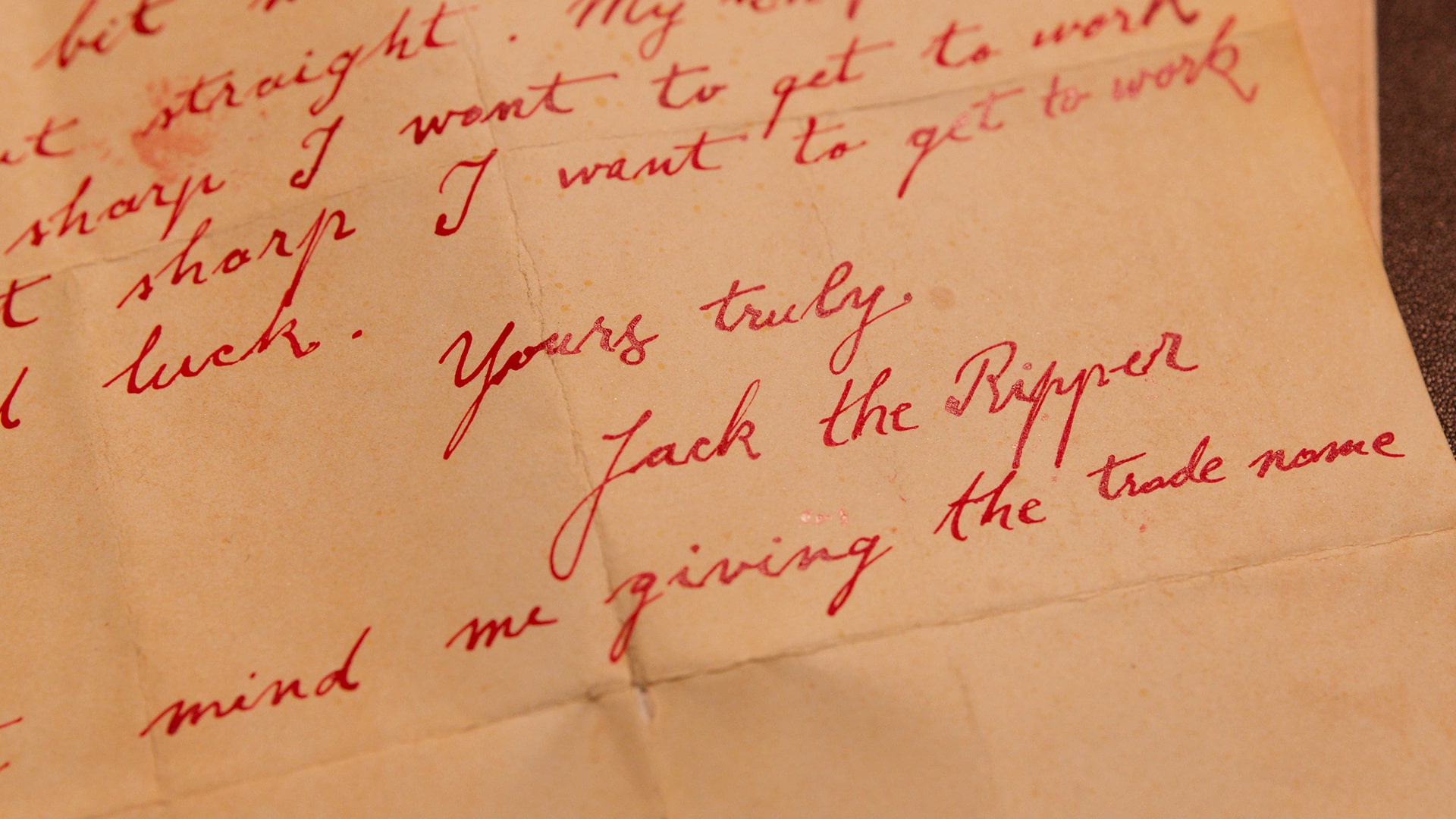
During the infamous murders in London, letters allegedly from “Jack the Ripper” were sent to police and newspapers.
Handwriting Characteristics – Although many letters were hoaxes:
Several displayed theatrical strokes
Dramatic loops and flourishes
Exaggerated slant
Emotional unpredictability
Forensic Importance – This historic case became one of the earliest examples of:
Handwriting comparison
Questioned document analysis
Elimination of false authors
Though the killer was never confirmed, handwriting played a major investigative role.
Conclusion
The handwriting of serial killers provides critical insight into their inner world, motivations, and behavior. Through real cases—from BTK and Zodiac to Son of Sam and the Unabomber—we see how handwritten communications reveal:
Patterns of control
Emotional turbulence
Narcissistic traits
A need for recognition
Attempts to mislead or manipulate
Forensic handwriting examiners continue to play a vital role in criminal investigations, using scientific methodology to analyze writing, authenticate documents, and support the pursuit of justice.
Ready to discuss your case? Contact us today for consultations or inquiries. Our team is here to assist you in uncovering the truth behind the evidence.